Japanese
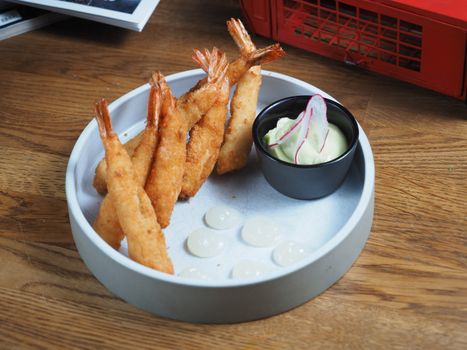
Shrimp Tempura
The diets react (see scores below)
Common Ingredients
- shrimp
- tempura flour
- ice water
- egg yolk
- tentsuyu
- daikon
- ginger
- vegetable oil
Specific recipes may vary.
Incompatible with 6 of 11 diets
Diet Ratings
Shrimp Tempura is fundamentally incompatible with ketogenic diet due to the tempura flour batter, which is made from wheat flour (or a high-carb tempura flour blend). A standard serving of shrimp tempura can contain 20-30g of net carbs from the batter alone, easily exceeding or consuming the entire daily carb budget. Tentsuyu dipping sauce typically contains mirin and soy sauce, adding additional sugars and carbs. While shrimp itself is an excellent keto protein source, the preparation method makes this dish a keto violation. Vegetable oil used for frying (likely seed oil) is also generally discouraged in strict keto protocols. The only keto-friendly elements are the shrimp, egg yolk, daikon, and ginger.
Shrimp Tempura contains multiple animal-derived ingredients that disqualify it from a vegan diet. Shrimp is seafood — an animal product — and is the primary protein of the dish. Egg yolk is a direct animal product used in the tempura batter. Tentsuyu dipping sauce is traditionally made with dashi (fish stock, typically from bonito flakes and/or kombu), adding a third animal-derived component. There is no ambiguity here: this dish is fundamentally built on animal ingredients and cannot be considered vegan in its standard form.
Shrimp Tempura is fundamentally incompatible with the paleo diet due to multiple core violations. Tempura flour is a wheat-based flour (a grain), which is explicitly excluded from the paleo diet. Vegetable oil (typically a seed oil blend) is used for frying, another clear violation. Tentsuyu dipping sauce is a soy-based broth (containing soy sauce and mirin, both non-paleo), adding legume and grain-derived ingredients. While shrimp, egg yolk, daikon, and ginger are individually paleo-approved, the dish as a whole is defined by its grain-based batter and seed oil frying medium, making it clearly non-paleo.
Shrimp Tempura presents a mixed picture for Mediterranean diet compatibility. On the positive side, shrimp is a seafood that aligns well with the diet's emphasis on fish and seafood 2-3 times weekly. However, the preparation method introduces several concerns: deep-frying in vegetable oil (not olive oil) adds significant refined fat, and the tempura batter is made from refined white flour — both of which contradict Mediterranean principles favoring whole grains and extra virgin olive oil as the primary fat. The daikon, ginger, and tentsuyu dipping sauce are low-calorie condiments that do minimal harm. Overall, the dish offers a good protein source but is undermined by its deep-fried, refined-flour coating and non-olive oil frying method.
Some Mediterranean diet practitioners argue that occasional fried seafood dishes are acceptable if seafood consumption is otherwise prioritized, noting that traditional coastal Mediterranean cuisine (e.g., southern Italian fritto misto) does include lightly battered and fried seafood. From this lens, shrimp tempura consumed occasionally could be tolerated, especially if the rest of the diet is plant-forward.
Shrimp Tempura is fundamentally incompatible with the carnivore diet. While shrimp itself is an approved animal protein, the dish is heavily coated in tempura flour (wheat-based), fried in vegetable oil (plant-derived), and served with tentsuyu dipping sauce (typically containing mirin, soy sauce, and dashi — all containing plant-derived or fermented grain ingredients), daikon radish, and ginger. The batter alone disqualifies this dish as it is a grain-based coating. Vegetable oil is explicitly excluded from carnivore as a processed plant fat. Daikon and ginger are plant foods. This dish is carnivore diet-incompatible in essentially every component except the shrimp itself.
Shrimp Tempura is not Whole30 compatible for multiple reasons. First, tempura flour is a grain-based coating (typically wheat flour), which is explicitly excluded on Whole30. Second, this dish is a classic example of the 'no recreating baked goods/junk food' rule — tempura is essentially battered and fried food, a comfort-food preparation that violates the spirit of the program even if one attempted substitutions. Third, tentsuyu (tempura dipping sauce) typically contains soy sauce (soy/legume) and mirin (alcohol/sugar), both excluded ingredients. The shrimp, egg yolk, daikon, ginger, and ice water are individually compliant, but the dish as a whole cannot be made in its traditional form on Whole30.
Shrimp tempura has several low-FODMAP components — shrimp, egg yolk, ice water, daikon (at moderate portions), and ginger are all low-FODMAP. Vegetable oil is fine. The main concerns are: (1) Tempura flour — standard tempura flour is typically made from wheat flour, which is high-FODMAP due to fructans. However, the thin, light coating used in tempura means the actual wheat quantity per serving is relatively small, and some practitioners consider small amounts of wheat batter tolerable. (2) Tentsuyu dipping sauce — traditional tentsuyu contains dashi (low-FODMAP), mirin (low-FODMAP in small amounts), and soy sauce (low-FODMAP in small amounts), but some recipes include onion or other high-FODMAP ingredients. If tentsuyu is a commercial product, it may contain high-FODMAP additives. (3) Daikon is low-FODMAP at 1/2 cup (75g) per Monash but should not be consumed in large quantities. Overall, the wheat-based tempura batter is the primary concern — while the coating is thin, wheat is a known fructan source and is typically avoided during strict elimination.
Monash University rates wheat as high-FODMAP due to fructans, meaning any wheat-based batter should technically be avoided in the elimination phase. However, some clinical FODMAP practitioners acknowledge that the very thin wheat coating in tempura contributes a relatively small fructan load per serving, and may consider it conditionally acceptable — particularly if tentsuyu sauce is verified FODMAP-safe. Replacing tempura flour with rice flour or a gluten-free blend would make this dish clearly low-FODMAP.
Shrimp tempura sits in a moderate zone for DASH compliance. Shrimp itself is a lean protein that DASH supports, and it is naturally low in saturated fat and rich in protein. However, the tempura preparation introduces significant concerns: deep-frying in vegetable oil substantially increases total fat and caloric density, and the refined tempura flour (white flour) lacks the fiber of whole grains. The tentsuyu dipping sauce is soy-sauce-based and contributes meaningfully to sodium load — a single serving of tentsuyu can add 400–700mg of sodium, which is a real concern on the standard DASH limit of <2,300mg/day and especially problematic for the lower 1,500mg target. Shrimp also contains moderate dietary cholesterol (~170mg per 3oz serving). The ginger and daikon are DASH-friendly garnishes. Overall, this dish is not a core DASH food but is acceptable occasionally if portion-controlled and paired with reduced tentsuyu consumption.
NIH DASH guidelines emphasize limiting fried foods and refined grains, which would push tempura toward 'avoid.' However, updated clinical interpretations note that vegetable oil frying (versus saturated-fat frying) is less categorically restricted, and that lean seafood dishes consumed occasionally with sodium-moderated dipping sauce can fit within a flexible DASH framework — some DASH-oriented dietitians allow dishes like this in moderation as part of overall dietary pattern compliance.
Shrimp Tempura presents a mixed Zone Diet profile. Shrimp itself is an excellent Zone protein — lean, low in saturated fat, and easy to portion into blocks (roughly 7g protein per block). However, the tempura batter (flour, egg yolk, ice water) adds refined carbohydrates with a moderately high glycemic load, disrupting the Zone's preference for low-glycemic carb sources. The deep-frying in vegetable oil (likely soybean or canola oil) introduces a significant omega-6 fatty acid load, which is directly counter to Dr. Sears' anti-inflammatory principles — one of the central tenets of later Zone writings. Tentsuyu dipping sauce adds minor sugar and sodium concerns. On the positive side, daikon and ginger are favorable Zone carb sources (low-glycemic, polyphenol-rich), and the overall dish does contain a real protein block. The dish is not categorically unusable — a small portion of tempura shrimp alongside a large salad could be worked into a Zone meal — but the refined batter and omega-6-heavy frying oil make it a genuinely unfavorable choice by Zone standards, particularly the anti-inflammatory framework.
Some Zone practitioners focus primarily on the macronutrient ratio rather than the anti-inflammatory nuances of Sears' later work (e.g., 'Toxic Fat,' 'The Anti-Inflammation Zone'). In early Zone methodology, if the 40/30/30 ratio is achieved through careful portioning — limiting batter quantity and pairing with additional vegetables — shrimp tempura could be viewed as a workable caution-level meal component rather than something to actively avoid. The shrimp protein quality remains high regardless of preparation method.
Shrimp tempura presents a mixed anti-inflammatory profile. On the positive side, shrimp provides lean protein, selenium, and some omega-3 fatty acids, while daikon radish offers anti-inflammatory compounds and digestive enzymes, and ginger is a well-established anti-inflammatory spice. Tentsuyu (dipping sauce) is typically dashi-based with mirin and soy sauce — generally acceptable in small amounts. However, the dish is deep-fried in vegetable oil (typically canola, soybean, or a blend), which introduces concerns: high-heat frying degrades oil quality, increases oxidation products, and if omega-6-heavy oils are used (corn, sunflower, cottonseed), the omega-6 load rises considerably. The tempura batter is made from refined white flour and egg yolk — the flour contributes refined carbohydrates with minimal nutritional benefit, and the frying process adds significant caloric density with limited anti-inflammatory return. Shrimp itself is mildly debated — it contains some arachidonic acid but also astaxanthin (a potent antioxidant carotenoid) and is lower in saturated fat than red meat. The overall dish is not strongly pro-inflammatory, but the deep-frying method and refined batter prevent it from reaching 'approve' territory. Enjoyed occasionally, it is a 'caution' food rather than something to avoid outright.
Some anti-inflammatory practitioners (particularly those following stricter AIP or Wahls Protocol approaches) would flag the refined flour batter and high-heat seed oil frying as meaningfully pro-inflammatory and recommend avoiding tempura-style preparations entirely. Conversely, mainstream anti-inflammatory researchers like Dr. Weil do not categorically prohibit occasional fried seafood, and the shrimp's astaxanthin and omega-3 content provide genuine compensating benefits.
Shrimp tempura is a deep-fried dish, and frying is a clear avoid category for GLP-1 patients regardless of the quality of the protein source. While shrimp itself is an excellent lean protein, the tempura batter and deep-frying in vegetable oil dramatically increases fat content per serving, adds refined carbohydrates with minimal fiber, and significantly worsens the GLP-1 side effect profile — particularly nausea, bloating, and reflux. GLP-1 medications slow gastric emptying, meaning high-fat fried foods sit in the stomach far longer than usual, amplifying discomfort. Tempura batter also contributes empty refined-carb calories with no meaningful fiber or micronutrient benefit. The tentsuyu dipping sauce and grated daikon are benign, but they cannot offset the core problem: this is a fried food. A GLP-1 patient seeking the protein benefit of shrimp would be far better served by grilled, steamed, or poached shrimp preparations.
*See how scores were generated at our methodology page.
Nutritional profile
Six traits that cut across every diet.
Fiber & Plants
How much whole-plant food and fiber it delivers.
Healthy Fats
The quality of its fats (unsaturated, omega-3).
Whole / Unprocessed
How close it is to its natural, unprocessed form.
Gut Gentle
How easy it is on digestion (low FODMAP, few irritants).
Low Glycemic
How little it spikes your blood sugar.
Protein Density
How much protein it packs per calorie.
Controversy Index
Higher controversy = more disagreement between diets.
Diet-Specific Tips
 Mediterranean — 4/10
View tips
- Shrimp is a Mediterranean-approved seafood source
- Deep-frying in vegetable oil contradicts olive oil as primary fat principle
- Tempura batter uses refined white flour, not whole grain
- Refined frying method significantly increases caloric density
- Daikon and ginger are acceptable low-impact additions
- Not a traditional Mediterranean preparation — Japanese cuisine origin
 Low-FODMAP — 5/10
View tips
- Shrimp is low-FODMAP and safe as a primary protein
- Tempura flour is typically wheat-based — high-FODMAP due to fructans, though thin coating reduces total fructan load
- Tentsuyu sauce composition is variable — commercial versions may contain onion or other high-FODMAP ingredients
- Egg yolk and vegetable oil are low-FODMAP
- Daikon is low-FODMAP at moderate servings (up to 75g)
- Ginger is low-FODMAP
- Using rice flour or gluten-free tempura flour would significantly improve FODMAP safety
 DASH — 4/10
View tips
- Shrimp is a lean, DASH-compatible protein low in saturated fat
- Deep-frying in vegetable oil increases total fat and caloric density significantly
- Refined tempura flour lacks fiber; not a whole-grain source
- Tentsuyu dipping sauce is high in sodium (400–700mg per serving) — a key DASH concern
- Daikon and ginger are DASH-positive garnishes
- Moderate dietary cholesterol from shrimp (~170mg/3oz)
- Low-sodium or reduced tentsuyu would improve DASH compatibility
 Zone — 4/10
View tips
- Shrimp is an ideal Zone protein source — lean, low saturated fat, easily portioned
- Tempura batter uses refined wheat flour, a high-glycemic unfavorable carbohydrate in Zone terminology
- Deep-frying in vegetable oil (likely soybean/canola) creates a high omega-6 fatty acid load, directly counter to Zone anti-inflammatory principles
- Omega-6-heavy seed oils are specifically discouraged by Dr. Sears in his anti-inflammation writings
- Daikon and ginger are favorable low-glycemic Zone carb sources that partially offset the batter
- Tentsuyu sauce adds modest sugar and sodium, minor concern for Zone compliance
- Dish can technically fit a Zone meal in small portions but requires significant compensatory adjustments
 Anti-Inflammatory — 4/10
View tips
- Shrimp provides lean protein, selenium, and astaxanthin (anti-inflammatory carotenoid)
- Shrimp contains modest omega-3 fatty acids but also some arachidonic acid
- Deep-frying in vegetable oil introduces oxidized lipids and elevated omega-6 load depending on oil type
- Refined tempura flour (white wheat) adds refined carbohydrates with minimal anti-inflammatory value
- Ginger is a well-supported anti-inflammatory spice
- Daikon radish offers digestive enzymes and anti-inflammatory phytonutrients
- High-heat frying method reduces overall dish quality regardless of ingredient quality
- Tentsuyu dipping sauce is generally low-concern in typical serving amounts