Mediterranean
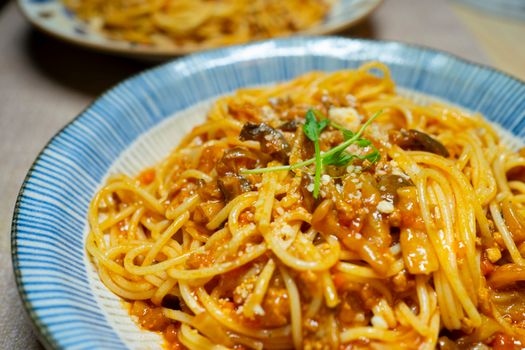
Pasta con le Sarde
The diets react (see scores below)
Common Ingredients
- bucatini
- fresh sardines
- wild fennel
- raisins
- pine nuts
- saffron
- onion
- breadcrumbs
Specific recipes may vary.
Incompatible with 6 of 11 diets
Diet Ratings
Pasta con le Sarde is fundamentally incompatible with a ketogenic diet. The primary ingredient, bucatini (a thick pasta), is a wheat-based grain delivering approximately 40-45g of net carbs per standard 80g serving alone — already at or exceeding the entire daily keto carb limit. The problem is compounded by breadcrumbs (more grain-based carbs) and raisins (concentrated sugar, ~15g net carbs per small handful). Together, these three ingredients make a single serving deliver well over 60-70g net carbs, guaranteeing an exit from ketosis. While sardines, wild fennel, saffron, and onion are individually keto-compatible, they are minor players that cannot redeem this dish. There is no realistic portion size or modification that preserves the dish's identity while making it keto-appropriate.
Pasta con le Sarde contains fresh sardines as its primary protein, making it unambiguously non-vegan. Fish are animals, and their flesh is a clear animal product excluded under every major vegan definition. No meaningful debate exists within the vegan community on this point. The remaining ingredients — bucatini, wild fennel, raisins, pine nuts, saffron, onion, and breadcrumbs — are all plant-based, but the sardines alone disqualify the dish entirely.
Pasta con le Sarde is fundamentally incompatible with the paleo diet. The two core components — bucatini (a wheat-based pasta) and breadcrumbs (also wheat-derived) — are grains, which are strictly excluded from paleo. These aren't minor or trace ingredients; they are structural elements of the dish. The remaining ingredients are largely paleo-friendly: fresh sardines are an excellent paleo protein, wild fennel is a permitted herb/vegetable, onion is approved, pine nuts are a paleo-approved nut, and saffron is a permitted spice. Raisins are technically paleo (dried fruit) but warrant moderation due to concentrated sugar. However, the grain components (bucatini and breadcrumbs) cannot be removed without fundamentally changing the dish — this is not Pasta con le Sarde without the pasta. The overall dish must be rated avoid.
Pasta con le Sarde is a quintessential Sicilian dish and a genuine Mediterranean culinary tradition. Fresh sardines provide excellent omega-3 fatty acids and align perfectly with the diet's emphasis on fish 2-3 times weekly. Wild fennel, onion, raisins, pine nuts, and saffron are all whole, plant-based ingredients consistent with Mediterranean principles. The main caveat is the use of bucatini, a refined white pasta, rather than a whole-grain option, which slightly reduces the nutritional profile under modern Mediterranean diet guidelines. The breadcrumb topping (muddica) is also a refined grain element. However, the overall dish composition — oily fish as the protein, aromatic vegetables, nuts, and dried fruit — is deeply aligned with Mediterranean eating patterns.
Modern clinical interpretations of the Mediterranean diet, such as those used in the PREDIMED trial, favor whole-grain pasta over refined white pasta. Some nutritionists would rate this dish lower due to the refined carbohydrate base, suggesting a whole-wheat bucatini substitution to better match current guidelines, even though the traditional Sicilian recipe uses standard semolina pasta.
Pasta con le Sarde is fundamentally incompatible with the carnivore diet. While fresh sardines are an excellent carnivore-approved food, they are completely overwhelmed by a roster of plant-based and grain-based ingredients. Bucatini pasta is a wheat-based grain product — strictly forbidden. Wild fennel, onion, saffron, raisins, pine nuts, and breadcrumbs are all plant-derived and entirely excluded under carnivore rules. Raisins add sugar (fruit-derived), pine nuts are seeds, and breadcrumbs are processed grain. The only redeeming element is the sardines themselves. This dish is essentially a plant-forward Sicilian pasta that happens to contain fish, not a carnivore meal with minor plant additions.
Pasta con le Sarde contains two clearly excluded ingredients: bucatini (a wheat-based pasta, which is a grain product) and breadcrumbs (also made from wheat/grain). Grains are explicitly prohibited on Whole30. Additionally, pasta itself is explicitly listed in the Whole30 'no recreating' rule as a disallowed item regardless of ingredients. The remaining ingredients — fresh sardines, wild fennel, raisins, pine nuts, saffron, and onion — are all Whole30-compatible on their own, but the dish as a whole cannot be made compliant without fundamentally changing its nature.
Pasta con le Sarde contains multiple high-FODMAP ingredients that make it unsuitable during the elimination phase. Bucatini is a wheat-based pasta, which is high in fructans — a major FODMAP. Onion is one of the highest-FODMAP foods tested by Monash, rich in fructans, and is typically a core ingredient used in meaningful quantities in this dish. Raisins are high-FODMAP due to excess fructose and fructans even at relatively small servings (Monash flags them as high-FODMAP at around 1 tablespoon/13g). Traditional breadcrumbs used for the 'muddica atturrata' topping are typically wheat-based, adding further fructan load. Wild fennel bulb is high-FODMAP at larger portions (though fennel fronds/herb are lower-FODMAP, the distinction in practice is ambiguous). Pine nuts are low-FODMAP at small servings (≤1 tablespoon). Saffron is low-FODMAP. Fresh sardines are a protein and are FODMAP-free. However, the cumulative FODMAP load from wheat pasta, onion, raisins, and breadcrumbs makes this dish clearly high-FODMAP as traditionally prepared.
Pasta con le Sarde is a traditional Sicilian dish that blends several DASH-friendly elements with a few considerations requiring moderation. Fresh sardines are an excellent DASH protein — rich in omega-3 fatty acids, potassium, calcium, and low in saturated fat, closely aligned with DASH's emphasis on fish. Wild fennel is a DASH-positive vegetable providing fiber and micronutrients. Raisins contribute potassium and natural sweetness without added sugar. Pine nuts offer healthy unsaturated fats and magnesium. Saffron and onion are negligible in sodium and nutritionally neutral-to-positive. However, bucatini pasta, while not forbidden on DASH, is a refined grain rather than the whole grain DASH explicitly prefers — this lowers the score somewhat. Breadcrumbs (toasted, often salted) introduce variable sodium and are also typically refined grain. The dish's overall sodium level depends heavily on preparation: home-cooked with no added salt can be quite low, but restaurant versions with salted pasta water and seasoned breadcrumbs may approach moderate sodium levels. The dish lacks added saturated fat, red meat, full-fat dairy, or high sodium processed ingredients, placing it comfortably in the 'caution/acceptable' range rather than avoidance. Substituting whole wheat bucatini and using unseasoned breadcrumbs would elevate this dish toward 'approve.'
NIH DASH guidelines emphasize whole grains over refined pasta and do not specifically address traditional Mediterranean dishes like this one. Some DASH-oriented Mediterranean diet clinicians argue that the overall dietary pattern of this dish — oily fish, vegetables, minimal saturated fat — aligns well enough with DASH principles that the refined grain component is a minor concern, particularly when portion-controlled and prepared without added salt.
Pasta con le Sarde has a genuinely mixed Zone profile. On the positive side, sardines are an excellent Zone protein — lean, rich in omega-3 fatty acids, and strongly anti-inflammatory, which aligns perfectly with Sears' core focus. Wild fennel is a favorable low-glycemic vegetable, pine nuts provide monounsaturated fat (a Zone-preferred fat source), and saffron/onion are negligible or favorable additions. However, the dish is built on a foundation of bucatini (refined white pasta), which is a high-glycemic, unfavorable carbohydrate in Zone terminology — a significant carb block that spikes insulin and disrupts the 40/30/30 ratio unless severely portioned down. Raisins compound the problem as an explicitly unfavorable high-sugar fruit Sears singles out for avoidance. Breadcrumbs (toasted, from white bread) add more refined carbohydrate with minimal nutritional value. The net effect is a carbohydrate-heavy dish dominated by high-glycemic sources, with the protein and fat components being genuinely excellent but overwhelmed by the carb load. To fit Zone principles, one would need to dramatically reduce the pasta portion, eliminate the raisins, and increase the sardine-to-pasta ratio — at which point it is no longer the traditional dish. As served in typical portions, this dish is carb-heavy and high-glycemic, warranting a caution rating.
Some Zone practitioners and later Sears writings acknowledge that pasta — particularly al dente — has a lower glycemic index than expected, and that the full dish context matters. The omega-3 richness of sardines and polyphenols from saffron and fennel provide meaningful anti-inflammatory benefit that partially offsets the unfavorable carbs. A Zone-adapted version with reduced pasta (roughly 1/3 of traditional portion), no raisins, and extra sardines could be balanced into a legitimate Zone meal, which pushes some practitioners toward treating this as a workable 'unfavorable' carb dish rather than one to avoid entirely.
Pasta con le Sarde is a Sicilian classic that aligns well with anti-inflammatory principles in most respects. Fresh sardines are an outstanding source of omega-3 fatty acids (EPA and DHA), which directly suppress inflammatory cytokines and reduce CRP — they sit at the top of the anti-inflammatory protein hierarchy alongside wild salmon. Wild fennel contributes flavonoids and anethole, which has demonstrated anti-inflammatory activity in research. Saffron contains crocin and safranal, potent antioxidants with documented anti-inflammatory effects. Pine nuts provide healthy monounsaturated fats and some omega-3 ALA. Onion adds quercetin, a well-studied anti-inflammatory flavonoid. Raisins add polyphenols alongside natural sugars — acceptable in the modest quantities typical of this dish. The breadcrumb topping (mollica) introduces refined white carbohydrates, and bucatini pasta is also a refined grain, which is the dish's primary anti-inflammatory weakness. These elements modestly raise the glycemic load and represent a missed opportunity to use whole grain pasta. However, the portion of pasta in a Mediterranean context is typically moderate, and the overall dish is rich in genuinely anti-inflammatory ingredients — this is precisely the kind of whole-food, ingredient-led Mediterranean preparation that anti-inflammatory frameworks celebrate. The dish scores high for ingredient quality and low processing, with the refined carbohydrate component preventing a top-tier score.
Most anti-inflammatory authorities — including Dr. Weil's pyramid and the Mediterranean diet tradition — would approve this dish for its omega-3-rich sardines, polyphenol-dense aromatics, and minimal processing. A stricter anti-inflammatory interpretation (e.g., practitioners emphasizing glycemic load and blood sugar regulation) would flag the refined bucatini and breadcrumbs as pro-inflammatory and recommend substituting whole grain pasta and whole grain breadcrumbs to improve the dish's overall profile.
Pasta con le Sarde has a genuinely mixed nutritional profile for GLP-1 patients. The fresh sardines are an excellent protein and omega-3 source — one of the most recommended fish for this population. Wild fennel supports digestion and may ease GI discomfort. However, the dish is anchored by bucatini, a refined pasta that is calorie-dense with limited fiber and protein per serving, which is a meaningful drawback when appetite is suppressed and every calorie must count nutritionally. Raisins add concentrated sugar with minimal fiber benefit. Pine nuts contribute healthy unsaturated fats but are calorie-dense in even small portions. Breadcrumbs (typically toasted in oil) add refined carbohydrate and fat. As traditionally portioned, the sardine-to-pasta ratio may not deliver 15-30g protein without a larger serving than GLP-1 patients typically tolerate. The dish is not fried, not heavily spiced, and contains no alcohol or carbonation, so it avoids the major avoid-category triggers. Digestibility is moderate — the combination of refined carbs, fat from pine nuts and breadcrumbs, and a heavier pasta format may sit uncomfortably for patients with slowed gastric emptying. A modified version with whole wheat or legume-based pasta, a larger sardine portion, and reduced breadcrumbs and pine nuts would rate significantly higher.
Some GLP-1-focused dietitians would view this dish more favorably, citing the sardines as an exceptional protein and omega-3 source that offsets the refined carbohydrate base, and noting that the Mediterranean dietary pattern as a whole is broadly supported in obesity medicine. Others would flag the refined pasta and raisin-derived sugar as meaningful concerns for patients eating small volumes, arguing that the macronutrient ratio does not justify the calorie cost when appetite suppression limits total intake.
*See how scores were generated at our methodology page.
Nutritional profile
Six traits that cut across every diet.
Fiber & Plants
How much whole-plant food and fiber it delivers.
Healthy Fats
The quality of its fats (unsaturated, omega-3).
Whole / Unprocessed
How close it is to its natural, unprocessed form.
Gut Gentle
How easy it is on digestion (low FODMAP, few irritants).
Low Glycemic
How little it spikes your blood sugar.
Protein Density
How much protein it packs per calorie.
Controversy Index
Higher controversy = more disagreement between diets.
Diet-Specific Tips
 Mediterranean — 8/10
View tips
- Fresh sardines are an ideal Mediterranean protein — oily fish rich in omega-3s
- Authentic Sicilian dish representing core Mediterranean culinary heritage
- Wild fennel, pine nuts, raisins, and saffron are whole, traditional ingredients
- Bucatini is a refined grain, not a whole grain — a moderate nutritional drawback
- Breadcrumbs add additional refined grain content
- No red meat, heavy dairy, or processed ingredients
- Overall macronutrient and ingredient profile strongly favors Mediterranean principles
 DASH — 6/10
View tips
- Fresh sardines are a DASH-ideal lean protein rich in omega-3s, calcium, and potassium
- Bucatini is a refined grain; DASH prefers whole grains — substituting whole wheat pasta would improve the score
- Wild fennel provides DASH-positive fiber and micronutrients
- Raisins and pine nuts contribute potassium, magnesium, and healthy fats
- Breadcrumbs may add sodium and refined grain content depending on preparation
- No saturated fat, full-fat dairy, red meat, or high-sodium processed ingredients
- Sodium level is highly preparation-dependent; low-sodium home preparation scores higher
- Overall macronutrient and fat profile aligns with DASH cardiovascular goals
 Zone — 4/10
View tips
- Bucatini is a refined, high-glycemic carbohydrate — an 'unfavorable' Zone carb that dominates the dish's macro profile
- Sardines are an ideal Zone protein: lean, high omega-3, strongly anti-inflammatory per Sears' framework
- Raisins are explicitly unfavorable in Zone due to high sugar content and glycemic impact
- Pine nuts provide monounsaturated fat, a Zone-preferred fat source
- Wild fennel is a favorable low-glycemic vegetable addition
- Breadcrumbs add refined carbohydrate with negligible nutritional value
- As traditionally portioned, carb-to-protein-to-fat ratio is heavily skewed toward high-glycemic carbohydrates
- Could be Zone-adapted by reducing pasta to 1-2 carb blocks and eliminating raisins, but this alters the dish fundamentally
 Anti-Inflammatory — 8/10
View tips
- Fresh sardines: exceptional omega-3 source (EPA/DHA), strongly anti-inflammatory
- Wild fennel: contains anethole and flavonoids with anti-inflammatory properties
- Saffron: rich in crocin and safranal, potent antioxidant and anti-inflammatory compounds
- Onion: high in quercetin, a well-researched anti-inflammatory flavonoid
- Pine nuts: healthy monounsaturated fats; modest omega-3 ALA
- Raisins: polyphenols present, but add natural sugars — acceptable in small amounts
- Bucatini (refined pasta) + breadcrumbs: refined carbohydrates elevate glycemic load, the main anti-inflammatory concern in this dish
- Minimal processed ingredients, no seed oils, no added sugars — clean Mediterranean preparation
 GLP-1 Friendly — 5/10
View tips
- Sardines provide high-quality protein and omega-3 fatty acids — strong positives
- Bucatini is a refined carbohydrate with low protein and fiber density per calorie
- Raisins add concentrated sugar with limited nutritional return at small serving sizes
- Pine nuts are calorie-dense even in small amounts — portion sensitivity is high
- Toasted breadcrumbs contribute refined carbs and fat with negligible nutritional value
- Wild fennel is a digestive positive and may reduce GI discomfort
- No frying, heavy spice, alcohol, or carbonation — avoids major GLP-1 triggers
- Protein delivery per realistic GLP-1 portion size may fall short of the 15-30g per meal target
- Slowed gastric emptying may make a combined fat-carb-protein dish feel heavy
- Whole grain or legume pasta substitution would meaningfully improve the rating