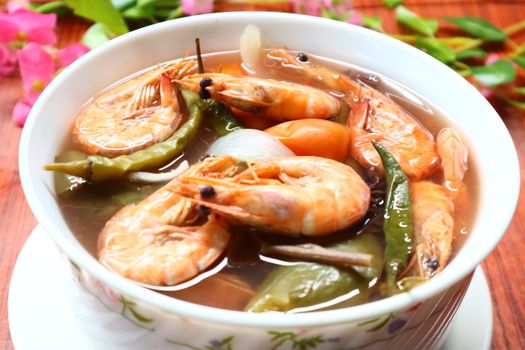
Photo: Anjelie Khan / Pexels
Filipino
Sinigang
The diets react (see scores below)
Common Ingredients
- pork
- tamarind
- tomatoes
- onion
- kangkong
- green beans
- taro
- fish sauce
Specific recipes may vary.
Incompatible with 4 of 11 diets
Diet Ratings
Sinigang is a Filipino sour soup that contains several keto-problematic ingredients alongside keto-friendly ones. The pork (especially fatty cuts) and fish sauce are excellent for keto. However, taro root is a starchy vegetable with roughly 26g net carbs per 100g, making it a significant concern. Green beans add moderate carbs (~4g net per 100g), and tamarind paste/pulp used for souring contributes natural sugars (~10-15g net carbs per 100g, though used in smaller quantities). Tomatoes and onions add modest carbs. Kangkong (water spinach) is a low-carb leafy green and is fine. In a typical serving, the combination of taro, tamarind, green beans, tomatoes, and onion can push net carbs to 15-25g per bowl, potentially consuming most or all of the daily keto carb budget. The dish can be adapted for keto by omitting taro and reducing or substituting the tamarind, but as traditionally prepared it requires significant caution and portion control.
Strict keto practitioners would likely classify this as 'avoid' due to taro being a high-starch root vegetable that alone can exceed a single meal's carb limit, and argue that the cumulative carb load from multiple moderate-carb ingredients makes ketosis maintenance unreliable even in small portions.
Sinigang as described contains multiple animal products that disqualify it entirely from a vegan diet. Pork is animal flesh, and fish sauce is derived from fermented fish — both are clear animal-derived ingredients with no ambiguity in vegan standards. The dish's plant-based components (tamarind, tomatoes, onion, kangkong, green beans, taro) are excellent vegan ingredients, but they do not offset the presence of animal products. A fully vegan version of sinigang is achievable by substituting tofu or mushrooms for the pork/shrimp and using soy sauce or miso in place of fish sauce, but the traditional recipe as listed is not vegan-compatible.
Sinigang is a Filipino sour soup that contains two significant non-paleo ingredients. Green beans are legumes and are explicitly excluded from the paleo diet. Fish sauce, while made from fermented fish, is a processed condiment with added salt and sometimes preservatives, which disqualifies it under strict paleo rules. The remaining ingredients — pork, tamarind, tomatoes, onion, kangkong (water spinach), and taro — are all paleo-compatible. However, the combination of a legume (green beans) and a processed, high-sodium condiment (fish sauce) as core structural ingredients pushes this dish into the avoid category. To make it paleo-compliant, green beans would need to be omitted and fish sauce replaced with a paleo-friendly seasoning like coconut aminos.
Sinigang is a vegetable-rich sour soup that aligns well with Mediterranean principles in many respects: it features an abundance of plant-based ingredients (kangkong/water spinach, green beans, tomatoes, onion, taro) and uses tamarind as a natural souring agent. However, the primary protein listed is pork, which is red meat and should be limited to a few times per month in a Mediterranean framework. The dish is otherwise minimally processed and whole-food based. Fish sauce adds sodium but is a fermented condiment used in small amounts. If made with shrimp instead of pork, this dish would score significantly higher (7-8), as seafood is strongly encouraged. The pork version earns a moderate caution rating.
Some Mediterranean diet interpreters note that the vegetable density and broth-based cooking method are so aligned with Mediterranean principles that occasional lean pork (especially if trimmed) could be tolerated within the 'few times per month' red meat allowance, pushing this closer to an approve if portions are modest and vegetables dominate.
Sinigang is fundamentally incompatible with the carnivore diet. While it does contain pork (a carnivore-approved protein) and fish sauce (fermented animal product), the dish is overwhelmingly plant-based in its composition. Tamarind provides the signature sour broth base and is a plant-derived fruit/legume; tomatoes, onion, kangkong (water spinach), green beans, and taro are all plant foods strictly excluded on carnivore. The majority of the dish's flavor profile, volume, and nutritional character comes from these plant ingredients. No meaningful adaptation can make this dish carnivore-compliant — it would need to be an entirely different recipe.
Sinigang is a Filipino sour soup whose core ingredients are all Whole30-compliant: pork (allowed meat), tamarind (a natural fruit souring agent), tomatoes, onion, kangkong (water spinach, an allowed vegetable), green beans (explicitly allowed despite being a legume), taro (an allowed starchy vegetable), and fish sauce (fermented fish and salt, generally compliant — check label for added sugar). All ingredients are whole, unprocessed foods with no grains, dairy, or other excluded categories. The main watchpoints are (1) fish sauce brands, which sometimes contain added sugar or other additives, so label-reading is required, and (2) tamarind-based soups are sometimes prepared using packaged tamarind powder or soup base mixes that may contain sugar, MSG (now allowed per 2024 rules), or other additives. Made from scratch with whole tamarind and a clean fish sauce, this dish is solidly compliant.
While the dish itself is compliant when homemade, Melissa Urban and official Whole30 guidelines emphasize checking every processed ingredient label; many Filipino fish sauce brands (e.g., Rufina, Datu Puti) and commercial tamarind soup base packets contain added sugars or non-compliant additives, leading some practitioners to caution that restaurant or packaged versions of Sinigang should be avoided.
Sinigang contains multiple high-FODMAP ingredients that make it unsuitable during the elimination phase. Onion is one of the highest-FODMAP foods (fructans) and is a core aromatic in the broth — it cannot be reduced to a safe serving in a dish where it is cooked into and flavors the entire soup. Taro (gabi) is high in GOS and polyols (mannitol) and is high-FODMAP even at moderate servings per Monash. Green beans are moderate-FODMAP at standard servings (>15 beans triggers GOS/fructan issues). Tamarind is high-FODMAP due to excess fructose and fructans at amounts typically used in a full pot of sinigang. While pork, kangkong (water spinach), tomatoes (in small amounts), and fish sauce are generally low-FODMAP, the combination of onion, taro, and tamarind in typical recipe quantities makes this dish high-FODMAP overall. The dish as traditionally prepared is not compatible with the elimination phase.
Sinigang has a nutritionally mixed profile relative to DASH guidelines. On the positive side, it contains an excellent array of DASH-friendly vegetables — kangkong (water spinach), green beans, tomatoes, onion, and taro — which contribute potassium, magnesium, fiber, and micronutrients. Tamarind provides a natural, low-sodium souring agent rich in potassium. However, the dish is problematic in two key areas: (1) Pork is typically used as fatty cuts (belly, ribs, shoulder), which are high in saturated fat — a category DASH explicitly limits. If shrimp is substituted, the dish improves significantly in saturated fat profile. (2) Fish sauce (patis) is very high in sodium, commonly contributing 700–1,400mg per tablespoon, and combined with natural sodium from other ingredients, a single serving of sinigang can easily approach or exceed the DASH daily sodium ceiling of 1,500–2,300mg. The dish can be made more DASH-compatible by using lean pork loin or shrimp, reducing or omitting fish sauce, and controlling portion size of the protein.
Standard NIH DASH guidelines would flag both the fatty pork and fish sauce as problematic due to saturated fat and high sodium. However, some DASH-oriented clinicians note that when prepared with lean protein (shrimp or pork tenderloin) and reduced fish sauce, the vegetable-forward, broth-based structure of sinigang closely mirrors DASH-recommended meal patterns — the dissent centers on preparation flexibility rather than a challenge to core DASH principles.
Sinigang is a Filipino sour soup that has several Zone-friendly elements but requires modification and careful portioning to fit Zone ratios optimally. The broth base (tamarind, tomatoes, onion) is rich in polyphenols and low-glycemic, aligning well with Zone's anti-inflammatory principles. Kangkong (water spinach) and green beans are favorable low-glycemic vegetables that Sears would endorse. However, the dish has two significant Zone concerns: (1) Taro is a starchy root vegetable with a moderate-to-high glycemic index, functioning more like a 'unfavorable' carb block — similar to potatoes, which Sears explicitly discourages. (2) Pork (especially bone-in cuts like pork belly or ribs common in sinigang) carries significant saturated fat, making it less ideal than Zone-preferred lean proteins like shrimp or fish. If made with shrimp instead of fatty pork, and with taro minimized or omitted, sinigang becomes considerably more Zone-compatible. Fish sauce adds sodium but negligible macronutrient impact. The soup format also naturally supports portion control. As typically prepared with pork belly and taro, the fat and carb profiles push it into caution territory, but the dish's fundamentals (vegetable-rich, broth-based, sour/polyphenol-rich) are Zone-aligned.
Some Zone practitioners and Sears' later writings (The OmegaRx Zone) place greater emphasis on omega-3 fatty acids and polyphenol density over strict saturated fat avoidance, which could elevate sinigang's standing given its tamarind and vegetable richness. Additionally, if prepared with lean pork loin or shrimp with taro portioned as a small carb block, stricter Zone adherents might rate this more favorably (score 7) as a well-structured soup meal with controllable block ratios.
Sinigang is a Filipino sour soup with a mixed anti-inflammatory profile. On the positive side, it contains a strong lineup of anti-inflammatory vegetables: kangkong (water spinach) is rich in vitamins A and C and antioxidants; tomatoes provide lycopene and vitamin C; green beans offer fiber and flavonoids; taro provides resistant starch and fiber; and onion contains quercetin. Tamarind, the souring agent, contains polyphenols and has demonstrated antioxidant activity in research. Fish sauce, while high in sodium, is a fermented condiment used in small quantities and contributes minimal inflammatory load. The primary concern is pork, which is classified under 'limit' in anti-inflammatory frameworks due to its saturated fat content, particularly if fatty cuts (belly, shoulder) are used — as is traditional. Pork is not as problematic as highly processed red meat, but it is not recommended for regular consumption. If made with shrimp instead, the dish shifts more favorably — shrimp is a lean protein with some omega-3s. The overall dish is predominantly vegetable-forward with a broth base (not cream or fat-heavy), which moderates the impact of the pork. Fish sauce adds sodium but no trans fats or additives of concern. As a dish, Sinigang is nutritionally more balanced than most pork-based preparations due to its high vegetable-to-meat ratio and absence of seed oils or refined ingredients.
Some anti-inflammatory practitioners following stricter protocols (such as AIP or those emphasizing red meat reduction) would rate pork-based Sinigang more negatively, pointing to saturated fat and potential arachidonic acid content as drivers of inflammation with regular consumption. However, Dr. Weil's framework and mainstream anti-inflammatory nutrition treat occasional lean pork as acceptable, and the vegetable-heavy broth format significantly improves the overall profile compared to fried or processed pork dishes.
Sinigang is a nutrient-dense Filipino sour soup with meaningful GLP-1-friendly qualities, but its rating depends heavily on which protein is used. The broth-based format is excellent for GLP-1 patients — high water content, easy digestibility, and small-portion friendly. The vegetable load (kangkong, green beans, tomatoes, onion) contributes fiber and micronutrients. Tamarind provides the sour base with minimal calories. Taro adds some resistant starch and fiber. However, the standard pork version (typically pork belly or pork ribs) introduces significant saturated fat, which worsens GLP-1 side effects like nausea, bloating, and reflux. Fish sauce is high in sodium, which warrants attention for patients managing blood pressure. The shrimp version scores considerably better — lean protein, low fat, easy to digest — and would push toward an approve rating (score 7-8). The pork version with fatty cuts pulls the score down to a 4. A score of 5 reflects the dish as typically prepared with pork. Fish sauce sodium is a secondary concern but manageable in a single serving of broth-based soup.
Some GLP-1-focused RDs consider any broth-based soup a net positive regardless of protein source, arguing the high water content, vegetable density, and portion-controlled nature of soup formats outweigh moderate fat concerns — particularly if pork is trimmed. Others hold that fatty pork cuts are categorically problematic for GLP-1 patients given slowed gastric emptying, and would recommend always substituting lean protein.
*See how scores were generated at our methodology page.
Nutritional profile
Six traits that cut across every diet.
Fiber & Plants
How much whole-plant food and fiber it delivers.
Healthy Fats
The quality of its fats (unsaturated, omega-3).
Whole / Unprocessed
How close it is to its natural, unprocessed form.
Gut Gentle
How easy it is on digestion (low FODMAP, few irritants).
Low Glycemic
How little it spikes your blood sugar.
Protein Density
How much protein it packs per calorie.
Controversy Index
Higher controversy = more disagreement between diets.
Diet-Specific Tips
 Keto — 4/10
View tips
- Taro root is high in starch (~26g net carbs/100g) and is the primary keto disqualifier
- Tamarind contributes natural sugars and carbs as the souring base
- Pork is keto-friendly, especially fatty cuts
- Kangkong (water spinach) is a low-carb leafy green — approved
- Green beans, tomatoes, and onion add cumulative moderate carbs
- Fish sauce is generally keto-compatible in small amounts
- Total per-bowl net carbs likely 15-25g, consuming most of the daily keto budget
- Dish is adaptable by omitting taro and reducing tamarind
 Mediterranean — 5/10
View tips
- Pork is red meat, limited to a few times per month in Mediterranean diet
- Abundant vegetables (kangkong, green beans, tomatoes, onion, taro) strongly align with Mediterranean principles
- Shrimp version would be significantly more compatible as seafood is encouraged 2-3 times weekly
- Tamarind souring is natural and whole-food based
- Broth-based preparation is low in unhealthy fats
- Fish sauce is a high-sodium condiment but used in small amounts
- No refined grains, added sugars, or highly processed ingredients
 Whole30 — 8/10
View tips
- Pork is a fully compliant Whole30 protein
- Tamarind is a natural souring agent (fruit-derived) — compliant when whole or as pure tamarind paste/pulp
- Green beans explicitly allowed despite legume classification
- Kangkong and taro are compliant vegetables
- Fish sauce requires label check — must contain no added sugar or non-compliant additives
- Commercial tamarind soup base mixes often contain sugar — scratch preparation strongly recommended
- All other vegetables (tomato, onion) are fully compliant
 DASH — 5/10
View tips
- High sodium risk: fish sauce contributes significant sodium, potentially exceeding DASH daily limits in a single serving
- Pork cuts used in traditional sinigang are typically fatty (belly, shoulder), high in saturated fat — incompatible with DASH
- Shrimp substitution significantly improves DASH compatibility (lower saturated fat, moderate sodium)
- Excellent vegetable load: kangkong, green beans, tomatoes, onion, and taro align well with DASH vegetable servings
- Tamarind is a DASH-positive souring agent — naturally sour, potassium-rich, and low in sodium
- Taro is a whole-food starchy vegetable with fiber and potassium, acceptable in DASH
- Broth-based, low-fat cooking method is favorable; DASH compliance depends heavily on ingredient choices and fish sauce quantity
 Zone — 6/10
View tips
- Taro is a high-starch, moderately high-glycemic carb — classified as 'unfavorable' in Zone, similar to potatoes
- Pork belly/ribs (common cut) is high in saturated fat, conflicting with Zone's lean protein preference
- Shrimp version is significantly more Zone-compatible as a lean protein source
- Kangkong and green beans are excellent Zone-favorable low-glycemic vegetables
- Tamarind and tomatoes provide polyphenols supporting Zone's anti-inflammatory goals
- Broth-based soup format aids portion control and satiety
- Fish sauce is nutritionally negligible in Zone block terms
- Omitting or minimizing taro substantially improves Zone compatibility
 Anti-Inflammatory — 5/10
View tips
- Pork (especially fatty cuts) contains saturated fat — classified as 'limit' in anti-inflammatory diets
- Shrimp variant would score higher (~6-7) as a leaner, lower-saturated-fat protein
- Kangkong, tomatoes, green beans, and onion are antioxidant-rich anti-inflammatory vegetables
- Tamarind provides polyphenols and antioxidant compounds
- High vegetable-to-meat ratio improves the overall anti-inflammatory balance
- Broth-based preparation with no seed oils, trans fats, or refined ingredients
- Fish sauce is used in small quantities; sodium is a concern but not an inflammatory trigger per se
- Taro provides fiber and resistant starch, supporting gut health and reducing inflammatory markers
 GLP-1 Friendly — 5/10
View tips
- Pork version (especially belly or ribs) is high in saturated fat — worsens nausea, bloating, and reflux common on GLP-1 medications
- Shrimp version is lean, high-protein, and low-fat — significantly more GLP-1 friendly
- Broth-based format is ideal: high water content supports hydration, easy to digest, small-portion friendly
- Strong vegetable profile (kangkong, green beans, tomatoes) adds fiber and micronutrients
- Taro contributes resistant starch and additional fiber
- Fish sauce is high sodium — relevant for patients with hypertension or fluid retention
- Tamarind base is low-calorie and adds flavor without fat or sugar
- Score of 5 reflects typical pork preparation; shrimp version would score 7-8