This dish contains raw or undercooked ingredients. Consume at your discretion.
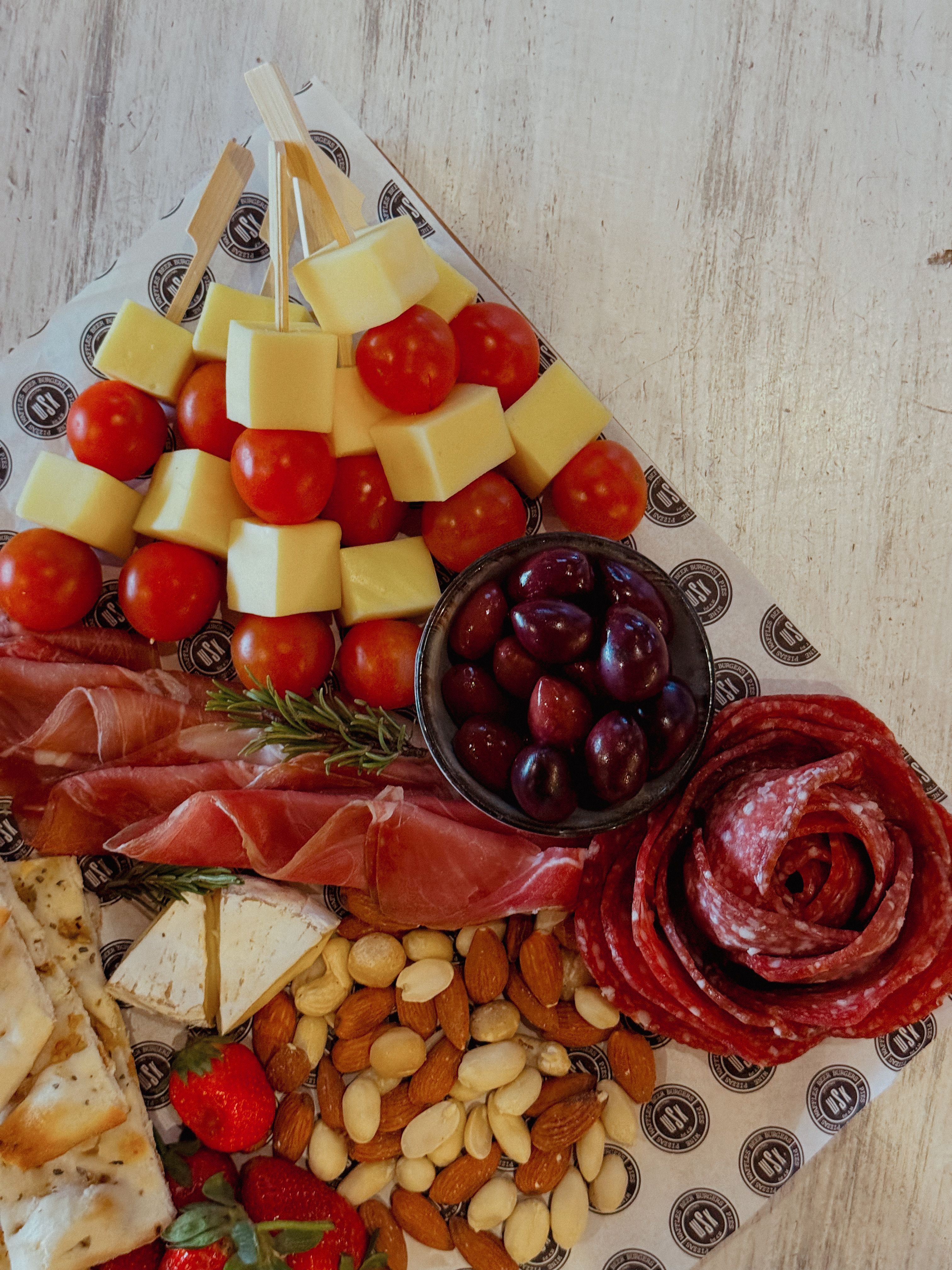
Photo: Philippe Alamazani / Pexels
Spanish
Spanish Tapas Platter
The diets react (see scores below)
Common Ingredients
- Serrano ham
- Manchego
- olives
- pan con tomate
- chorizo
- Marcona almonds
- piquillo peppers
- anchovies
Specific recipes may vary.
Incompatible with 6 of 11 diets
Diet Ratings
This Spanish tapas platter is a mixed bag for keto. The majority of items are highly keto-friendly: Serrano ham (cured meat, negligible carbs), Manchego cheese (high fat, very low carbs), olives (healthy fats, low net carbs), chorizo (high fat, very low carbs), Marcona almonds (moderate carbs but fiber-rich, keto-acceptable in small portions), anchovies (high in healthy fats and protein, near-zero carbs), and piquillo peppers (low carb in small quantities). The critical problem ingredient is 'pan con tomate' — bread rubbed with tomato — which introduces grain-based carbs directly incompatible with keto. If the pan con tomate is omitted or avoided on the platter, the remainder of the dish skews strongly toward approve territory. As served in its traditional complete form, the presence of bread makes this a caution requiring selective eating.
Some lazy keto or targeted keto practitioners may consider the small amount of bread in a shared tapas platter negligible if only a bite or two is consumed, arguing the overall macro profile of the platter still fits within daily carb limits. Strict keto adherents, however, would insist any grain-based bread is a hard exclusion regardless of quantity.
This Spanish tapas platter contains multiple animal products and is entirely incompatible with a vegan diet. Serrano ham is cured pork, chorizo is a pork-based sausage, Manchego is a sheep's milk cheese, and anchovies are fish — all clear animal products. The platter has five distinct animal-derived ingredients across meat, dairy, and seafood categories. The only vegan-friendly components are the olives, pan con tomate (bread with tomato), Marcona almonds, and piquillo peppers, but these are accompaniments to a heavily animal-product-centered dish.
This Spanish tapas platter contains multiple non-paleo ingredients that make it incompatible with the diet. Manchego is dairy (aged sheep's milk cheese) and is excluded. Pan con tomate is bread-based, making it a grain product — a clear paleo violation. Serrano ham and chorizo are processed/cured meats that typically contain added salt, preservatives, and nitrates, placing them firmly in the avoid category. While olives, Marcona almonds, piquillo peppers, and anchovies are individually paleo-friendly, the dish as a whole is disqualified by its core components. The platter is fundamentally structured around non-paleo staples.
This Spanish tapas platter is a genuinely mixed bag from a Mediterranean diet perspective. Several components are exemplary: olives are a core Mediterranean staple, Marcona almonds are an ideal plant-based snack, anchovies provide excellent omega-3 fatty fish, pan con tomate (tomato-rubbed bread) reflects traditional Mediterranean plant-forward eating, and piquillo peppers are nutrient-rich vegetables. However, Serrano ham and chorizo are cured red meats high in sodium and saturated fat, which the Mediterranean diet explicitly limits to a few times per month. Manchego cheese, while a traditional Spanish dairy product, adds to the saturated fat load. The platter as a whole reflects authentic Spanish culinary tradition, but the proportion of cured meats makes it a moderation food rather than a daily staple.
Traditional Spanish Mediterranean diet research, including work from the PREDIMED study conducted largely in Spain, recognizes that cured meats like jamón and chorizo appear in small, tapas-style portions within an otherwise plant-rich dietary pattern, and some Spanish nutritionists argue these portions are modest enough to be compatible with the overall diet. Conversely, stricter modern Mediterranean diet clinical guidelines (e.g., Oldways guidelines) would classify cured red meats as 'avoid' items regardless of portion size.
This Spanish tapas platter is overwhelmingly incompatible with the carnivore diet. While it contains some carnivore-friendly components — anchovies (approved), Serrano ham (approved if additive-free), and chorizo (caution due to potential spice/additive content) — the majority of ingredients are explicitly excluded: olives (plant fruit), pan con tomate (bread + tomato, double plant violation), Marcona almonds (nuts), and piquillo peppers (vegetable). Manchego cheese would be a caution-level dairy item even in isolation. As a composed platter, the dish is fundamentally plant-forward in its structure and cannot be consumed as presented. A carnivore practitioner would need to discard most of the platter and selectively eat only the meats and anchovies, making the dish itself a clear avoid.
This Spanish tapas platter contains multiple Whole30-excluded ingredients. Manchego is a dairy cheese, which is explicitly excluded. Pan con tomate is bread (a grain product), which is also explicitly excluded. Chorizo commonly contains sugar and/or non-compliant additives, though compliant versions exist. Serrano ham and anchovies are generally compliant but may contain sulfites (now allowed per 2024 rules) or added sugar depending on the brand. Olives, Marcona almonds, and piquillo peppers are individually compliant. However, the clear presence of dairy (Manchego) and grains (pan con tomate/bread) makes this platter as a whole non-compliant. Even if cheese and bread were removed, the chorizo would still require careful label-reading.
This Spanish tapas platter contains multiple high-FODMAP ingredients that make it unsuitable during the elimination phase. The most problematic component is pan con tomate (bread rubbed with tomato), which is typically made with wheat bread — a significant source of fructans. Manchego cheese, while aged and lower in lactose than soft cheeses, may still pose issues at typical serving sizes. Chorizo often contains garlic and onion as seasonings, both of which are very high in fructans and are among the most problematic FODMAP foods. Marcona almonds are moderate-FODMAP above 10 almonds per serving. Serrano ham, olives, anchovies, and piquillo peppers are generally low-FODMAP and would not be problematic. However, the wheat bread in pan con tomate and likely garlic/onion in chorizo are dealbreakers for elimination phase compliance. The platter as a whole cannot be made low-FODMAP without significant substitutions.
Monash University rates aged hard cheeses like Manchego as low-FODMAP due to minimal residual lactose, and some clinical FODMAP practitioners would permit small amounts. However, the pan con tomate (wheat bread base) and garlic/onion-seasoned chorizo are widely agreed upon as high-FODMAP by both Monash and practitioners, making the overall platter a clear avoid unless significantly modified.
The Spanish Tapas Platter is heavily problematic for the DASH diet due to multiple high-sodium, high-saturated-fat components. Serrano ham and chorizo are cured/processed meats with extremely high sodium content (chorizo can exceed 700mg sodium per 2oz, Serrano ham similarly high), directly contradicting DASH's core principle of limiting sodium to <2,300mg/day and avoiding processed/red meats. Anchovies are among the saltiest foods available, often containing 700-900mg sodium per small serving. Manchego cheese, while a natural cheese, is a full-fat variety with significant saturated fat content. Chorizo is also a red processed meat high in saturated fat — both categories DASH explicitly limits. The combination of cured meats, full-fat cheese, and anchovies on a single platter could easily deliver 2,000–3,000mg of sodium in one snack sitting, far exceeding DASH thresholds. Olives, while containing heart-healthy monounsaturated fats, are also very high in sodium due to brining. Pan con tomate (tomato-rubbed bread) could be acceptable if made with whole grain bread, and Marcona almonds and piquillo peppers are genuinely DASH-friendly components — but they represent a minority of the platter's nutritional impact. As a whole, this platter is incompatible with DASH principles.
A Spanish tapas platter is a mixed Zone scenario with some excellent components and some problematic ones. On the positive side: anchovies are a Zone superstar (lean protein + omega-3s), Marcona almonds provide ideal monounsaturated fat, olives are excellent monounsaturated fat sources, and piquillo peppers are low-glycemic polyphenol-rich vegetables. However, the platter has significant Zone challenges: Manchego and chorizo are high in saturated fat, making fat block management difficult. Serrano ham is decent lean-ish protein but also high in sodium and saturated fat. Pan con tomate introduces refined bread — a high-glycemic carbohydrate that Sears classifies as 'unfavorable.' The protein sources are varied and fatty rather than lean, which skews the fat ratio upward and introduces saturated fat beyond Zone recommendations. As a snack, the platter lacks a clear carbohydrate balance — the only real carb blocks come from pan con tomate (high-GI) and piquillo peppers (low-GI but minimal). To Zone-ify this platter, a practitioner would emphasize anchovies, piquillo peppers, olives, and Marcona almonds while minimizing chorizo, Manchego, and pan con tomate. The platter as typically served does not achieve the 40/30/30 ratio and skews heavily toward fat (particularly saturated) and protein.
Some Zone practitioners following Sears' later anti-inflammatory framework (Toxic Fat, The OmegaRx Zone) would be more lenient toward this platter. Sears' later work emphasizes polyphenols and omega-3s heavily, and this platter delivers both via anchovies (EPA/DHA), piquillo peppers (polyphenols), olives (hydroxytyrosol), and Marcona almonds. The chorizo and Manchego saturated fat, while not ideal, is less concerning in Sears' evolved thinking than omega-6-heavy processed foods. A Mediterranean-style tapas selection like this aligns reasonably well with his later anti-inflammatory dietary philosophy, potentially warranting a more favorable assessment if pan con tomate is minimized.
This Spanish tapas platter is a genuinely mixed anti-inflammatory profile — a Mediterranean-style spread with both strong positives and meaningful concerns. On the beneficial side: anchovies are an excellent source of omega-3 fatty acids and rank among the best anti-inflammatory proteins; olives and olive oil (in pan con tomate) deliver oleocanthal and monounsaturated fats central to anti-inflammatory eating; Marcona almonds provide vitamin E, healthy fats, and fiber; piquillo peppers are rich in carotenoids and vitamin C; and pan con tomate (tomato-rubbed bread with olive oil) brings lycopene and polyphenols. These ingredients reflect the Mediterranean dietary pattern, which has strong anti-inflammatory research support. On the concerning side: chorizo is a processed cured meat high in saturated fat, sodium, and often contains nitrates — a clear pro-inflammatory signal; Serrano ham is also processed/cured and high in sodium and saturated fat; Manchego is a full-fat cheese, which falls in the 'limit' category. The overall platter sits in tension: the Mediterranean foundation (olive oil, olives, anchovies, peppers, almonds) is genuinely anti-inflammatory, but the processed meats (chorizo, Serrano ham) drag the profile toward caution. As a snack eaten occasionally in moderate portions, this is acceptable — but the cured/processed meat components prevent a full approval.
Traditional Mediterranean diet research (including the PREDIMED trial) treats moderate cured meat consumption within an otherwise Mediterranean pattern as compatible with reduced cardiovascular and inflammatory risk, and some anti-inflammatory practitioners would score this higher given the olive oil, anchovies, and vegetable components. Conversely, stricter anti-inflammatory protocols emphasizing processed meat avoidance (due to nitrates, heme iron, and advanced glycation end products) would rate this lower, particularly flagging chorizo as a consistent pro-inflammatory ingredient.
A Spanish tapas platter is a mixed nutritional picture for GLP-1 patients. On the positive side, it contains several genuinely beneficial components: anchovies are an excellent source of lean protein and omega-3 fatty acids; Marcona almonds provide healthy unsaturated fats and some protein; olives offer monounsaturated fats; and piquillo peppers are low-calorie and nutrient-dense. However, the platter is dominated by high-saturated-fat, high-sodium cured and processed meats and cheeses. Chorizo is a fatty processed meat — high in saturated fat and likely to worsen GLP-1 GI side effects (nausea, reflux, slow gastric emptying). Serrano ham is better than chorizo but still a cured, salty processed meat. Manchego is a full-fat cheese — moderate protein but high in saturated fat. Pan con tomate is primarily refined carbohydrate with minimal protein or fiber. The overall fat load of this platter as typically served is high and portions are difficult to control, making GI side effects likely. The protein sources present (anchovies, ham, almonds, cheese) are real but come packaged with significant saturated fat. As a snack category item, it also lacks the fiber and lean protein density that would make it a smart calorie investment for GLP-1 patients eating reduced volumes.
Some GLP-1-focused RDs would argue that a carefully curated small plate — emphasizing anchovies, almonds, peppers, and olives while skipping or minimizing chorizo and limiting Manchego — could be a reasonable moderate-protein, healthy-fat snack. The disagreement centers on whether the platter is rated as typically served (high saturated fat, processed meats) versus as an optimizable format; individual tolerance to cured meats and dairy fat also varies significantly among GLP-1 patients.
*See how scores were generated at our methodology page.
Nutritional profile
Six traits that cut across every diet.
Fiber & Plants
How much whole-plant food and fiber it delivers.
Healthy Fats
The quality of its fats (unsaturated, omega-3).
Whole / Unprocessed
How close it is to its natural, unprocessed form.
Gut Gentle
How easy it is on digestion (low FODMAP, few irritants).
Low Glycemic
How little it spikes your blood sugar.
Protein Density
How much protein it packs per calorie.
Controversy Index
Higher controversy = more disagreement between diets.
Diet-Specific Tips
 Keto — 5/10
View tips
- Pan con tomate contains grain-based bread — a direct keto incompatibility
- Serrano ham, chorizo, and anchovies are excellent keto proteins with negligible carbs
- Manchego and olives provide high healthy fats strongly aligned with keto
- Marcona almonds are acceptable in portion-controlled amounts (~1 oz serving)
- Piquillo peppers are low-carb in small quantities but should not be overeaten
- Dish can be made keto-compliant by skipping the bread component entirely
- Mixed protein source makes macro tracking more complex
 Mediterranean — 5/10
View tips
- Olives and Marcona almonds are core Mediterranean staples — strongly positive
- Anchovies provide valuable omega-3 fatty acids from seafood — positive
- Pan con tomate and piquillo peppers are plant-forward Mediterranean components — positive
- Serrano ham and chorizo are processed/cured red meats — significantly negative
- Manchego cheese is acceptable dairy in moderation but adds saturated fat
- High sodium content from multiple cured and preserved ingredients
- Authentically Spanish but mixed in Mediterranean diet compliance
- Tapas-style small portions partially mitigate the cured meat concern
 Zone — 5/10
View tips
- Anchovies are excellent Zone protein: lean, high omega-3, anti-inflammatory — ideal block material
- Marcona almonds and olives provide ideal monounsaturated fat blocks
- Piquillo peppers are favorable low-glycemic, polyphenol-rich carb sources
- Chorizo and Manchego are high in saturated fat, exceeding Zone fat quality guidelines
- Pan con tomate introduces refined high-glycemic bread — an 'unfavorable' Zone carbohydrate
- No lean carbohydrate balance (vegetables/fruit) to achieve 40% carb target without relying on bread
- Overall fat ratio likely skews well above 30% of calories as served, driven by multiple fat sources
- Protein sources mix is varied but predominantly processed/cured meats rather than lean Zone-preferred proteins
 Anti-Inflammatory — 5/10
View tips
- Anchovies: excellent omega-3 source, strongly anti-inflammatory
- Olives and olive oil (pan con tomate): oleocanthal, monounsaturated fats — core anti-inflammatory foods
- Marcona almonds: vitamin E, healthy fats, fiber
- Piquillo peppers: carotenoids, vitamin C, antioxidants
- Chorizo: processed cured meat, high saturated fat and sodium, likely contains nitrates — pro-inflammatory
- Serrano ham: cured/processed, high sodium and saturated fat — limit category
- Manchego: full-fat dairy — limit category per anti-inflammatory guidelines
- Overall Mediterranean context partially mitigates concerns but processed meats are a meaningful drag
 GLP-1 Friendly — 4/10
View tips
- Chorizo is a high-fat processed meat likely to worsen nausea, reflux, and GI discomfort on GLP-1 medications
- Manchego and Serrano ham add saturated fat load with only moderate protein payoff
- Anchovies are a standout component — lean protein, omega-3 fats, nutrient-dense
- Marcona almonds and olives provide healthy unsaturated fats but are calorie-dense in small volumes
- Pan con tomate contributes refined carbohydrates with minimal fiber or protein
- Overall saturated fat content is high for a patient with slowed gastric emptying
- High sodium content from cured meats and cheese may worsen dehydration risk
- Platter format makes portion control difficult
- No significant fiber sources present across the full platter