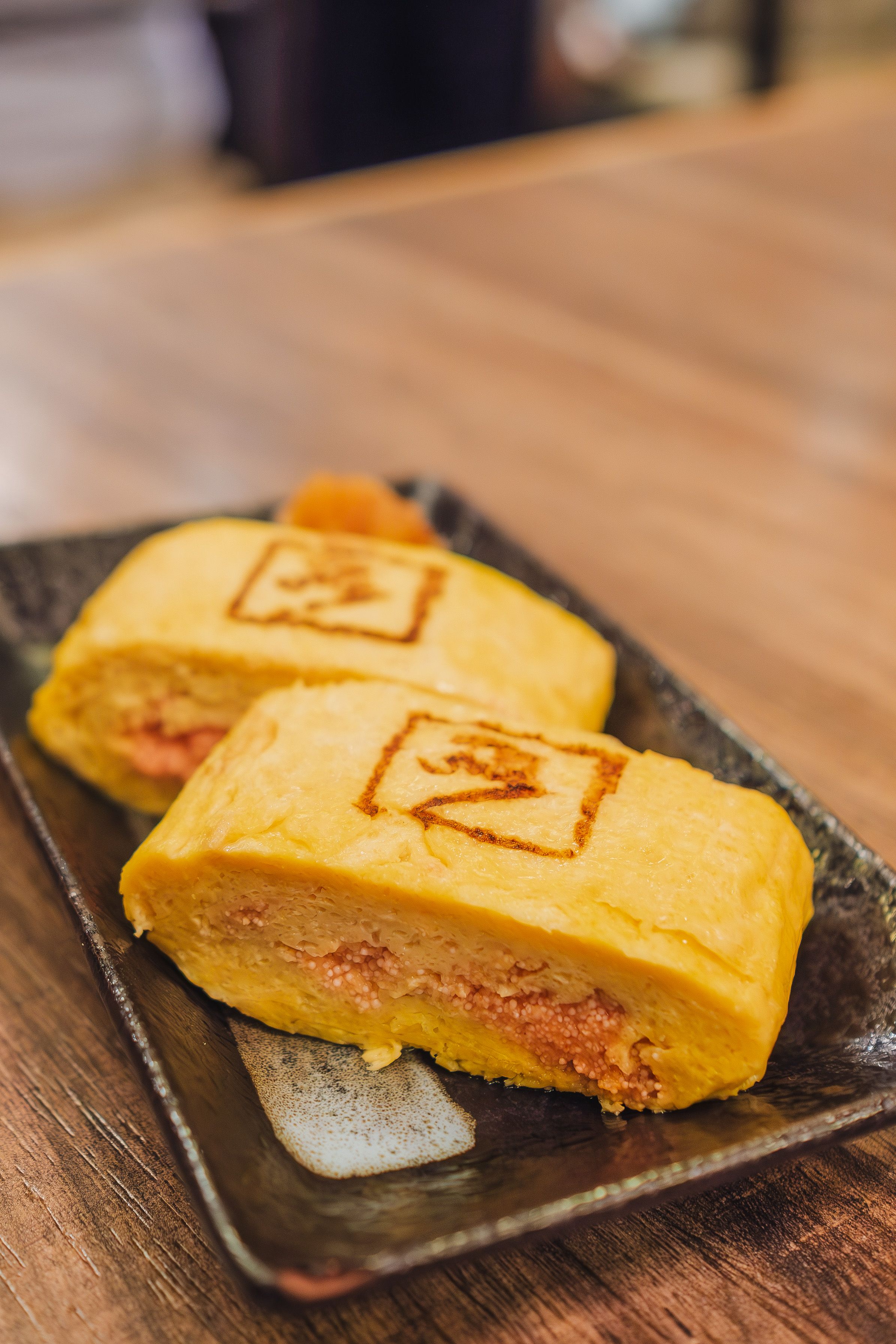
The diets react (see scores below)
Common Ingredients
- eggs
- dashi
- mirin
- soy sauce
- sugar
- salt
- vegetable oil
Specific recipes may vary.
Incompatible with 5 of 11 diets
Diet Ratings
Tamagoyaki in its traditional form contains both mirin and sugar as standard ingredients, making it incompatible with ketogenic eating. Mirin is a sweet rice wine with roughly 8-10g of carbs per tablespoon, and added sugar compounds this further. A typical 3-egg tamagoyaki portion can easily contain 8-15g of net carbs from these sweeteners alone, which is a significant portion of the daily keto carb budget — and the dish provides no compensating fiber. While eggs themselves are a flagship keto food, the preparation method fundamentally undermines their compatibility. The dish would need to be substantially reformulated (eliminating sugar and mirin entirely, substituting a keto-friendly sweetener if desired) to qualify for keto consumption.
Tamagoyaki is a Japanese rolled omelette with eggs as its primary and defining ingredient. Eggs are an animal product and are explicitly excluded from a vegan diet. Additionally, dashi — the traditional Japanese stock used in this recipe — is typically made from katsuobushi (dried bonito fish flakes) and/or niboshi (dried sardines), making it a second animal-derived ingredient. Even if a kombu-only (plant-based) dashi were substituted, the eggs alone disqualify this dish entirely. There is no version of tamagoyaki that can be made vegan while remaining true to the dish, as eggs are its foundational ingredient.
Tamagoyaki contains multiple non-paleo ingredients that disqualify it clearly. Soy sauce is a fermented soy product (a legume) and also contains wheat (a grain), making it doubly non-paleo. Sugar is refined and excluded. Salt is an additive excluded from strict paleo. Mirin is a sweet rice wine, combining both grain (rice) and refined sugar — both banned. Dashi, while often fish-based, commonly includes kombu (seaweed, generally acceptable) but store-bought versions may contain additives or MSG. Vegetable oil is a seed/industrial oil, explicitly excluded in favor of animal fats or approved plant oils. While the eggs themselves are fully paleo-approved, the overwhelming presence of non-paleo condiments and cooking oil makes this dish incompatible with the paleo diet in its traditional Japanese form.
Tamagoyaki is a Japanese rolled omelette made primarily from eggs, which fall into the 'moderate consumption' category of the Mediterranean diet (acceptable a few times per week). The dish contains added sugar and mirin (a sweet rice wine), introducing refined sugars and sweeteners that are discouraged in Mediterranean eating patterns. Soy sauce adds significant sodium. The use of vegetable oil rather than extra virgin olive oil is a departure from Mediterranean fat principles. Dashi, typically made from fish flakes or kombu, is a modest positive element. Overall, the egg base is acceptable in moderation, but the added sugars, sweetened condiments, and non-EVOO cooking fat push this dish toward the lower end of the caution range.
Some Mediterranean diet practitioners emphasize overall dietary patterns over individual ingredients, and would view a small egg-based dish as broadly compatible since eggs are permitted in moderation. The sugar content is relatively small per serving, and a flexible interpretation focused on whole-food protein sources might rate this more favorably as an occasional meal.
Tamagoyaki is a Japanese rolled omelette that, while egg-based, contains multiple non-carnivore ingredients that disqualify it. Dashi (typically made from kombu seaweed and bonito flakes, though the plant component is problematic), mirin (sweet rice wine — a grain-derived alcohol with sugar), soy sauce (fermented soybeans and wheat — both plant-based grains/legumes), sugar (plant-derived sweetener), and vegetable oil (plant-based fat) all violate carnivore principles. The only acceptable ingredients are the eggs and salt. This dish is fundamentally incompatible with the carnivore diet as prepared.
Tamagoyaki as traditionally prepared contains multiple Whole30-excluded ingredients. Soy sauce contains soy (a legume) and often wheat (a grain), both of which are explicitly excluded. Mirin is a sweet rice wine containing both alcohol and rice (a grain), making it doubly excluded. Sugar is an explicitly excluded added sweetener. Dashi may also contain soy sauce or other non-compliant additives depending on the version. With three clearly excluded ingredients (soy sauce, mirin, and sugar), this dish cannot be made compliant without fundamentally altering its character. A modified version could substitute coconut aminos for soy sauce, omit mirin and sugar entirely or use compliant fruit juice, and verify dashi is soy-free — but the resulting dish would diverge significantly from traditional tamagoyaki.
Tamagoyaki is a Japanese rolled omelette made with eggs, dashi, mirin, soy sauce, sugar, salt, and vegetable oil. Most ingredients are low-FODMAP: eggs are a safe protein, vegetable oil is FODMAP-free, salt is fine, and small amounts of soy sauce are generally considered low-FODMAP (Monash rates soy sauce as low-FODMAP at 2 tablespoons). The main concerns are mirin and sugar. Mirin contains a meaningful amount of sugar (fructose and glucose in roughly equal ratios, so excess fructose is not a significant issue), and sugar (sucrose) is low-FODMAP in moderate amounts. However, the combined sugar load from both mirin and added sugar across a standard serving of tamagoyaki may approach caution territory for sensitive individuals. Dashi — if made from kombu and bonito flakes — is generally considered low-FODMAP, though kombu contains some GOS and mannitol; at the small amounts used in dashi broth, the contribution is typically negligible. Traditional tamagoyaki recipes are moderately sweetened, and a standard 2–3 egg serving with typical seasoning ratios should remain within low-FODMAP thresholds for most ingredients individually. However, the cumulative effect of mirin plus sugar, and variability in dashi preparation, introduces enough ambiguity to warrant a caution rating rather than a full approval.
Monash University has not specifically tested tamagoyaki as a composite dish; while individual ingredients are mostly low-FODMAP, some clinical FODMAP practitioners advise caution with mirin due to its concentrated sugar content and variability in recipes. Kombu-based dashi is also flagged by some practitioners as potentially problematic during strict elimination due to trace GOS and mannitol from kombu seaweed.
Tamagoyaki is a Japanese rolled omelette that combines eggs with several ingredients that raise DASH diet concerns. The primary issues are soy sauce (high sodium — typically 900-1000mg per tablespoon), mirin (added sugar and some sodium), sugar, and salt, all of which conflict with DASH's sodium and added sugar limits. A typical tamagoyaki serving can contain 400-700mg of sodium, a significant portion of the 2300mg daily DASH ceiling. Eggs themselves sit in a moderate zone under DASH — historically limited due to cholesterol, now more acceptable in moderation per updated dietary guidelines. Vegetable oil is acceptable under DASH. The dish provides quality protein and some micronutrients from eggs, but the sodium load from soy sauce plus salt is the primary disqualifier from approval. Low-sodium soy sauce and reduced salt/sugar versions would score higher (5-6 range).
NIH DASH guidelines explicitly limit sodium and added sugars, placing soy-sauce-based dishes in the caution-to-avoid range. However, updated clinical interpretations note that eggs are now broadly accepted in moderate DASH-aligned eating, and some DASH practitioners allow modest amounts of soy sauce if overall daily sodium stays within limits — making tamagoyaki an occasional acceptable breakfast rather than a prohibited one.
Tamagoyaki is a Japanese rolled omelette that uses eggs as its protein base — which is Zone-friendly — but is sweetened with mirin and sugar, adding significant simple carbohydrates with a moderate-to-high glycemic impact. Eggs provide moderate lean protein (whole eggs include some saturated fat, making them 'less ideal' than egg whites in strict Zone terms), and the vegetable oil used for cooking is likely a seed oil (e.g., canola or corn oil), which Sears discourages due to omega-6 content. The dashi and soy sauce contribute minimal macros. The sugar and mirin, however, push the carbohydrate component toward 'unfavorable' Zone territory — these are fast-digesting, insulin-spiking carbs rather than the low-glycemic vegetables Sears prefers. In a traditional serving, the sweetness is noticeable and represents a meaningful glycemic load relative to the dish's size. That said, tamagoyaki can be portioned carefully as a protein block in a broader Zone meal that includes favorable low-GI carbs (vegetables) and monounsaturated fat on the side. It is not a standalone Zone-balanced meal. With portion control and the right accompaniments, it fits a Zone eating pattern, but the sugar/mirin content warrants caution.
Some Zone practitioners and later Sears anti-inflammatory writings would note that the actual sugar quantity per serving of tamagoyaki is relatively small (a few grams spread across several eggs), and that the dish's protein content from eggs is genuinely useful. In this view, the glycemic impact is modest in realistic portions and tamagoyaki could be treated more leniently — perhaps scoring a 6. Conversely, strict early-Zone adherents would flag any added sugar as an unfavorable carb and recommend substituting with a sugar-free dashi broth version.
Tamagoyaki is a Japanese rolled omelette with a mixed anti-inflammatory profile. Eggs provide choline, selenium, and some omega-3s but also arachidonic acid, placing them in contested territory. Dashi (typically made from kombu and bonito flakes) contributes umami and some iodine/minerals with minimal inflammatory concern. Mirin and sugar both add refined sugars, which are mildly pro-inflammatory — though quantities per serving are small. Soy sauce in small culinary amounts is generally considered neutral to mildly beneficial (fermented forms contain some anti-inflammatory compounds). The main concern is vegetable oil: if this is a refined seed oil high in omega-6 (e.g., corn, sunflower), it runs counter to anti-inflammatory principles, though the quantity used for pan-coating is small. Overall, tamagoyaki is a minimally processed, whole-food-based dish with modest added sugar and possibly omega-6 oil — not strongly pro-inflammatory, but not strongly anti-inflammatory either. It fits comfortably in the 'moderate' category appropriate for occasional consumption.
Egg advocates like Dr. Mark Hyman argue whole eggs support anti-inflammatory health through choline and fat-soluble nutrients, while stricter anti-inflammatory protocols flag arachidonic acid in yolks as potentially pro-inflammatory. Similarly, the added sugar (mirin + cane sugar) is a minor concern for general anti-inflammatory eating but would be more significant for those following stricter low-sugar or AIP-adjacent protocols.
Tamagoyaki is a Japanese rolled omelette made from eggs, dashi, mirin, sugar, soy sauce, and a small amount of vegetable oil. Eggs are a solid, easily digestible protein source well-suited for GLP-1 patients, and dashi adds umami with minimal calories. However, the addition of mirin and sugar introduces meaningful added sugar, which reduces the overall nutritional quality — a standard serving (2–3 rolls, ~100g) can contain 4–8g of sugar depending on preparation. The sugar content is the primary concern: GLP-1 dietary guidance discourages high-sugar foods due to blood sugar spikes and empty calories. Fat content from egg yolks and vegetable oil is moderate but not alarming in a typical serving. The dish is easy to digest, soft in texture, and portion-friendly — positives for patients experiencing GI side effects. Protein per serving is moderate (roughly 8–12g for a standard portion), not high enough to anchor a meal but reasonable as part of one. Overall this is a borderline approve/caution: a lower-sugar home preparation (reducing or omitting mirin and sugar) would push it toward approve, but the standard recipe keeps it in caution territory.
Some GLP-1-focused registered dietitians would approve eggs in any preparation as a priority protein source and treat the small sugar load from mirin as negligible in a reduced-calorie context; others flag even modest added sugars as counterproductive given the reduced meal volume patients consume, where every calorie needs maximum nutritional return.
*See how scores were generated at our methodology page.
Nutritional profile
Six traits that cut across every diet.
Fiber & Plants
How much whole-plant food and fiber it delivers.
Healthy Fats
The quality of its fats (unsaturated, omega-3).
Whole / Unprocessed
How close it is to its natural, unprocessed form.
Gut Gentle
How easy it is on digestion (low FODMAP, few irritants).
Low Glycemic
How little it spikes your blood sugar.
Protein Density
How much protein it packs per calorie.
Controversy Index
Higher controversy = more disagreement between diets.
Diet-Specific Tips
 Mediterranean — 4/10
View tips
- Eggs are acceptable in moderation but not a Mediterranean staple
- Added sugar and mirin introduce sweeteners discouraged in Mediterranean diet
- Soy sauce contributes high sodium load
- Vegetable oil used instead of extra virgin olive oil
- No vegetables or plant-based components to offset concerns
- Small portion sizes typical of tamagoyaki may mitigate sugar concerns
 Low-FODMAP — 6/10
View tips
- Eggs are a safe, FODMAP-free protein source
- Mirin contributes fermentable sugars — quantity per serving matters
- Added sugar (sucrose) is low-FODMAP in small amounts but combined with mirin may be borderline
- Soy sauce is low-FODMAP at standard culinary quantities (up to 2 tbsp)
- Dashi from bonito/kombu is generally low-FODMAP at typical dilutions, but kombu contains trace polyols
- No high-FODMAP ingredients like onion, garlic, or lactose are present
- Overall dish is likely safe at standard servings but recipe variation can affect FODMAP load
 DASH — 4/10
View tips
- High sodium from soy sauce and added salt — primary concern
- Added sugar from mirin and sugar conflicts with DASH sugar limits
- Eggs are acceptable in moderation under updated DASH interpretations
- Vegetable oil is DASH-compatible
- Low-sodium soy sauce alternative would improve score significantly
- Portion size matters — smaller servings reduce sodium load
- Dashi may add additional sodium depending on preparation
 Zone — 5/10
View tips
- Eggs provide usable Zone protein but whole eggs contain saturated fat — egg whites are preferred in strict Zone
- Sugar and mirin add simple, high-glycemic carbohydrates — classified as 'unfavorable' carbs in Zone terminology
- Vegetable oil is likely an omega-6-heavy seed oil, conflicting with Sears' anti-inflammatory fat recommendations
- Dashi and soy sauce contribute negligible macro impact
- Dish lacks fiber or low-glycemic carbohydrates on its own — must be paired with vegetables to approach Zone balance
- Small portion sizes may limit glycemic damage, but the macro ratio skews protein/fat-heavy with the wrong type of carbs
 Anti-Inflammatory — 5/10
View tips
- Eggs: mixed profile — choline and selenium are beneficial, arachidonic acid is a mild concern
- Small amounts of added sugar from mirin and sugar are mildly pro-inflammatory
- Vegetable oil type unspecified — refined seed oils (corn, sunflower) would increase omega-6 load, though quantity is small
- Dashi is minimally processed and nutritionally benign to mildly positive
- Soy sauce in small culinary doses is generally neutral to mildly beneficial
- Overall a lightly processed, whole-food dish with modest inflammatory concerns
 GLP-1 Friendly — 6/10
View tips
- Eggs provide complete, easily digestible protein well-suited for GLP-1 patients
- Moderate protein per serving (~8–12g) — not sufficient as a standalone meal protein source
- Added sugar from mirin and sugar is the primary concern — conflicts with GLP-1 low-sugar guidance
- Soft texture and small portion size are positives for GI tolerability and small-meal eating patterns
- Moderate fat from egg yolks and vegetable oil is acceptable but not ideal
- Dashi is low-calorie and hydration-supportive
- Lower-sugar home preparation significantly improves the rating