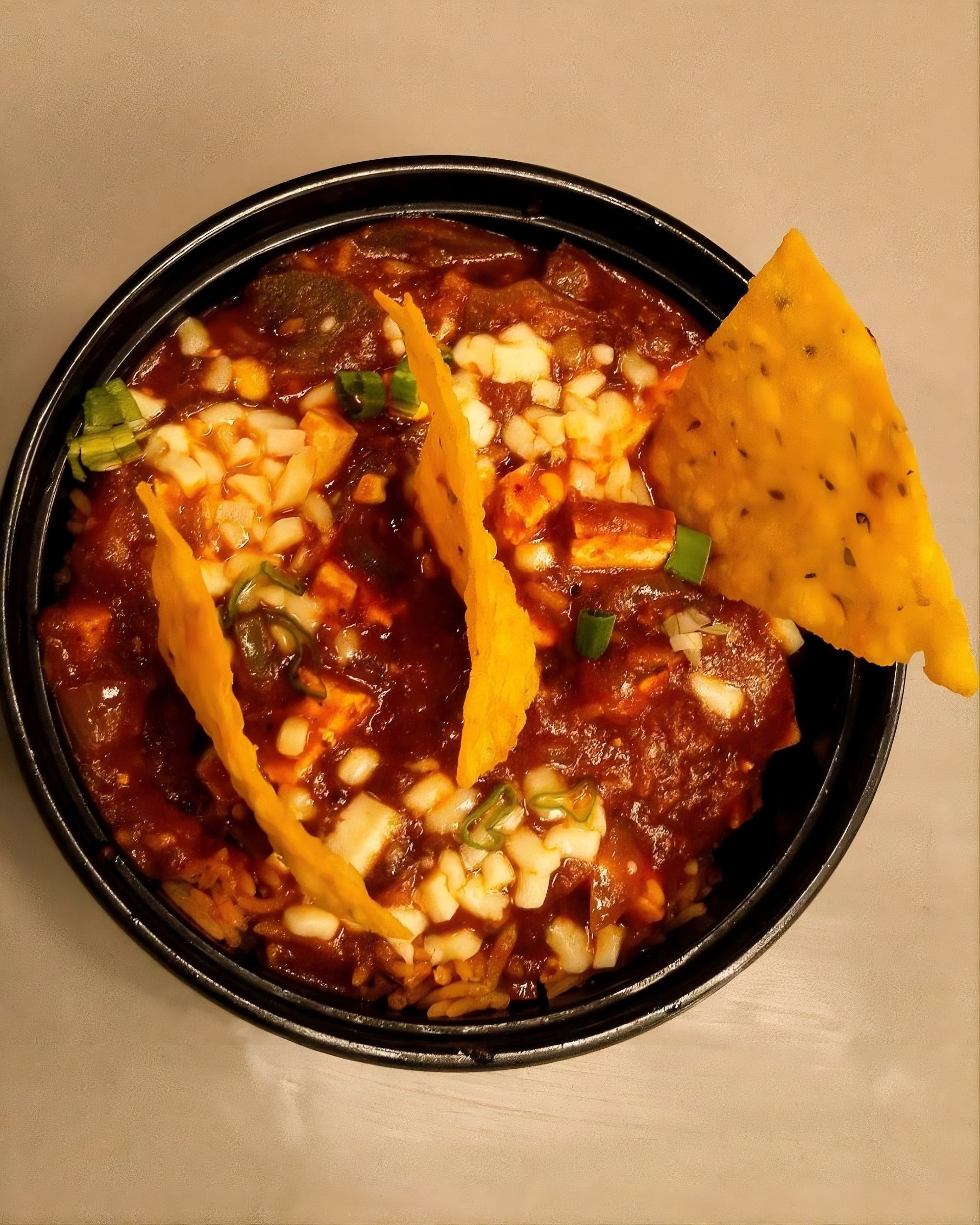
Photo: Hasini Parsa / Pexels
American
Tex-Mex Chili
The diets react (see scores below)
Common Ingredients
- beef chuck
- ancho chiles
- cumin
- onion
- garlic
- tomato
- beef broth
- oregano
Specific recipes may vary.
Incompatible with 4 of 11 diets
Diet Ratings
Tex-Mex Chili without beans is substantially more keto-friendly than bean-based versions, but it still contains moderate net carbs from tomatoes, onion, ancho chiles, and beef broth. A standard serving (1.5–2 cups) could contribute roughly 10–15g net carbs, primarily from tomato and onion. Beef chuck is an excellent high-fat, moderate-protein keto protein source. Ancho chiles add some carbs but also fiber, softening the net carb impact. The dish is manageable within keto macros if portions are controlled and daily carb budget is tracked carefully, but it is not a freely-eaten food.
Some stricter keto practitioners would flag the tomato and onion content as too carb-dense for regular consumption, arguing that cumulative small carb sources across a day make dishes like this a liability. Conversely, lazy keto advocates often approve this dish outright as a bean-free chili that fits well within a 50g daily net carb ceiling.
Tex-Mex Chili contains multiple animal-derived ingredients that are strictly excluded from a vegan diet. Beef chuck is red meat from cattle, and beef broth is derived from animal bones and tissue. These two ingredients alone make this dish entirely incompatible with vegan dietary standards. The remaining ingredients — ancho chiles, cumin, onion, garlic, tomato, and oregano — are all plant-based, but their presence does not offset the fundamental non-vegan nature of the dish as described.
This Tex-Mex Chili is a strong paleo dish. Beef chuck is an unprocessed, whole-animal protein fully aligned with paleo principles. Ancho chiles, cumin, onion, garlic, tomato, and oregano are all vegetables, alliums, or spices that would have been accessible to hunter-gatherers or are universally accepted in paleo eating. Beef broth, when homemade or free of additives and added salt, is also paleo-approved. Notably, this chili contains no beans — a traditional legume addition that would disqualify it — making it far more paleo-compliant than most chili recipes. The only minor caveat is commercial beef broth, which often contains added salt, preservatives, or flavor enhancers; using homemade or a clean-label broth keeps this dish fully on track.
Tex-Mex Chili is centered on beef chuck, a fatty red meat, as its primary and dominant protein. The Mediterranean diet explicitly limits red meat to a few times per month, and a dish built around a large serving of beef chuck directly contradicts this principle. While several ingredients — onion, garlic, tomato, ancho chiles, oregano, cumin — are wholesome and plant-forward and would be perfectly at home in a Mediterranean meal, they are supporting players here rather than the foundation. The beef broth adds further red meat derivatives. There is no olive oil, no legumes as a protein base, no seafood, and no whole grains. The dish as a whole is structurally incompatible with Mediterranean diet priorities.
Tex-Mex Chili is fundamentally incompatible with the carnivore diet. While beef chuck and beef broth are excellent carnivore-approved ingredients, the dish is heavily plant-based in composition. Ancho chiles, onion, garlic, tomato, and oregano are all plant-derived foods that are strictly excluded from the carnivore diet. Cumin is a plant-based spice, also excluded. The only salvageable components are the beef chuck and beef broth. The dish cannot be considered carnivore-compatible in its current form — it would require a near-complete reconstruction, stripping out the majority of its defining ingredients.
Tex-Mex Chili made with beef chuck, ancho chiles, cumin, onion, garlic, tomato, beef broth, and oregano is fully compliant with Whole30 guidelines. All ingredients are whole, unprocessed foods — meat, vegetables, fruits (tomato), and spices — with no excluded ingredients present. Ancho chiles are simply dried poblano peppers, a natural spice/vegetable. The only practical caution is to verify that the beef broth contains no added sugar, soy, or other non-compliant additives, as commercial broths can vary. A homemade or clearly labeled compliant broth makes this dish an excellent Whole30 meal.
Tex-Mex Chili contains multiple high-FODMAP ingredients that make it unsuitable during the elimination phase. Onion and garlic are among the highest-FODMAP foods tested by Monash University, both rich in fructans, and are used as foundational flavor bases in this dish — not incidental additions. There is no practical way to consume a standard serving of this chili without ingesting significant fructan loads from these two ingredients alone. Ancho chiles (dried poblanos) also contain moderate-to-high FODMAPs depending on quantity. While beef chuck, cumin, tomato (in small amounts), oregano, and plain beef broth are individually low-FODMAP, the combination of onion and garlic as core ingredients renders the dish high-FODMAP at any realistic serving size.
Tex-Mex Chili presents a mixed DASH profile. On the positive side, it contains several DASH-friendly ingredients: tomatoes and onions provide potassium and fiber, garlic offers cardiovascular benefits, ancho chiles are rich in vitamins and antioxidants, and the spice blend (cumin, oregano) adds flavor without sodium. However, the primary protein — beef chuck — is a fatty cut of red meat that is high in saturated fat, which DASH guidelines explicitly limit. DASH recommends lean meats and advises limiting red meat to no more than 1-2 servings per week. Additionally, beef broth typically carries significant sodium (often 400-900mg per cup), pushing the dish toward or beyond DASH sodium targets depending on portion size. If prepared with low-sodium broth, lean beef (or substituted with turkey/chicken), and trimmed fat, the dish could score higher. As commonly prepared with beef chuck and standard broth, it warrants caution rather than avoidance, since it lacks processed additives and includes genuinely beneficial ingredients.
NIH DASH guidelines explicitly limit red meat and saturated fat, making beef chuck a poor fit for regular consumption. However, some updated clinical interpretations note that unprocessed red meat in controlled portions (with trimmed fat) may be permissible within a broader DASH framework, and recent research distinguishes processed red meat (linked to worse outcomes) from unprocessed cuts like chuck — some DASH-oriented dietitians allow this dish occasionally if sodium is managed.
Tex-Mex Chili has a solid Zone-compatible foundation but requires attention to portioning and fat management. The vegetable ingredients — onion, garlic, tomato, ancho chiles — are all low-glycemic, polyphenol-rich Zone-favorable carbs. The spices (cumin, oregano) contribute anti-inflammatory properties Sears emphasizes. The primary issue is beef chuck, which is a fattier cut with meaningful saturated fat content, making it less ideal than lean ground beef or sirloin. However, the Zone is ratio-based, so chuck can be used if fat is trimmed and portions are controlled (~25g protein per serving). The dish has no starches or grains, no high-glycemic carbs, and a reasonable carb load from vegetables, putting it closer to Zone-friendly than not. To fully balance a Zone meal, a small portion of healthy monounsaturated fat (e.g., a few slices of avocado) and lean protein adjustment would help. The lack of grain fillers or sugar is a significant positive. A properly portioned bowl — roughly 3 oz lean-trimmed beef, vegetable carbs from the tomato and chiles, topped with avocado — can hit near-Zone ratios.
Early Zone writings (Enter the Zone) strictly flagged fatty red meat like chuck as unfavorable due to saturated fat and arachidonic acid content, which drives inflammatory eicosanoids — central to Sears' model. A purist Zone practitioner would recommend substituting with lean ground turkey or sirloin. However, Sears' later work (The Anti-Inflammation Zone) acknowledged that not all saturated fat is equally harmful, and the anti-inflammatory spices and polyphenol-rich ingredients in this dish partially offset concerns. Some Zone practitioners treat chili as a convenient favorable meal, others flag the protein source.
Tex-Mex Chili presents a genuinely mixed anti-inflammatory profile. On the positive side, the ingredient list is impressively spice-forward: ancho chiles provide capsaicin and a rich array of carotenoids (including lutein and beta-carotene); cumin has demonstrated antioxidant and anti-inflammatory activity in research; garlic contains allicin and organosulfur compounds with well-documented anti-inflammatory effects; oregano is high in rosmarinic acid and polyphenols; and tomatoes contribute lycopene, which is actually enhanced by cooking. Onion adds quercetin. These collectively represent meaningful anti-inflammatory contributions. The main liability is beef chuck, a fatty cut of red meat. Red meat is associated with elevated arachidonic acid, heme iron-driven oxidative stress, and increased inflammatory markers (CRP, IL-6) in epidemiological research — this is the core reason the dish cannot reach 'approve' status under anti-inflammatory principles. Beef chuck in particular is higher in saturated fat than leaner cuts. Beef broth is neutral. The dish contains no refined carbohydrates, added sugars, processed ingredients, or problematic oils. Notably, it also lacks beans, which are specifically emphasized in anti-inflammatory protocols for their fiber, polyphenols, and anti-inflammatory micronutrients — a missed opportunity. Overall: a relatively clean comfort food with potent anti-inflammatory spicing undermined by a high-saturated-fat red meat base. Acceptable occasionally, better with a leaner cut or partial bean substitution.
Most anti-inflammatory authorities (Dr. Weil, IF Rating system) categorize red meat as a 'limit' rather than an absolute 'avoid,' and the robust spice profile here partially offsets the pro-inflammatory burden — some practitioners would rate this dish more favorably given the absence of seed oils, sugar, or processed additives. However, stricter anti-inflammatory and autoimmune-protocol frameworks (AIP, Mediterranean-strict variants) would rate beef chuck more harshly, particularly for individuals with elevated CRP or inflammatory conditions, and would flag the saturated fat load regardless of accompanying spices.
Tex-Mex Chili made with beef chuck sits in a genuine gray zone for GLP-1 patients. The dish has real strengths: tomatoes, onion, garlic, and ancho chiles contribute fiber, antioxidants, and micronutrients, and the overall protein content per serving is meaningful. Cumin and oregano are well-tolerated spices. However, beef chuck is a fatty cut — typically 15–20% fat by weight — which is the primary concern here. High dietary fat worsens GLP-1 side effects including nausea, bloating, and reflux because slowed gastric emptying means fatty foods sit in the stomach longer and are harder to process. This is not a fried or processed food, and the stewed preparation does make it more digestible than a grilled fatty steak, but the saturated fat load from chuck still works against GLP-1 tolerability. The dish also lacks beans or legumes in this ingredient list, which would have substantially boosted fiber and improved the protein-to-fat ratio. Ancho chiles are mild-to-moderate in heat and unlikely to trigger significant reflux for most patients, though individual sensitivity varies. A leaner cut (sirloin, 93% lean ground beef) or a bean-added version would push this into approve territory. As written, this is acceptable occasionally in small portions but not an ideal regular meal for GLP-1 patients.
Some GLP-1-focused registered dietitians consider beef-based stews and chilis acceptable because the slow-cooked format improves digestibility and the dish is genuinely satiating in small portions — a meaningful benefit when appetite suppression makes eating enough protein difficult. Others are more cautious about any fatty red meat on GLP-1s, citing both the GI side effect risk from saturated fat and emerging clinical discussion around cardiovascular considerations in this patient population.
*See how scores were generated at our methodology page.
Nutritional profile
Six traits that cut across every diet.
Fiber & Plants
How much whole-plant food and fiber it delivers.
Healthy Fats
The quality of its fats (unsaturated, omega-3).
Whole / Unprocessed
How close it is to its natural, unprocessed form.
Gut Gentle
How easy it is on digestion (low FODMAP, few irritants).
Low Glycemic
How little it spikes your blood sugar.
Protein Density
How much protein it packs per calorie.
Controversy Index
Higher controversy = more disagreement between diets.
Diet-Specific Tips
 Keto — 5/10
View tips
- Beef chuck is high-fat, keto-ideal protein source
- No beans — critical omission that significantly lowers net carbs vs. traditional chili
- Tomatoes and onion add 8–12g net carbs per serving
- Ancho chiles contribute some carbs but also fiber
- Portion control essential — a large bowl could exceed daily carb budget
- No grains, added sugars, or starchy vegetables present
 Paleo — 9/10
View tips
- Beef chuck is an unprocessed whole-food protein — fully paleo approved
- No beans or legumes present — a critical distinction from standard chili recipes
- Ancho chiles, tomatoes, onion, garlic are all paleo-compliant whole foods
- Cumin and oregano are paleo-approved herbs and spices
- Beef broth is paleo-compliant when homemade or free of additives and added salt; commercial versions should be checked for preservatives or sodium additives
 Whole30 — 9/10
View tips
- Beef chuck is a compliant, whole protein source
- Ancho chiles are dried poblano peppers — a natural, compliant ingredient
- All spices (cumin, oregano) and aromatics (onion, garlic) are fully allowed
- Tomato is a compliant fruit/vegetable
- Beef broth should be verified compliant — no added sugar, soy, or non-compliant additives
- No grains, legumes, dairy, or excluded ingredients present
- Dish is a straightforward savory meal, not a recreation of a banned food category
 DASH — 5/10
View tips
- Beef chuck is high in saturated fat — DASH limits red and fatty meats
- Beef broth adds substantial sodium; low-sodium broth strongly recommended to stay within DASH limits
- Tomatoes, onion, and chiles contribute potassium, fiber, and antioxidants — DASH-positive
- No processed ingredients, added sugar, or tropical oils
- Portion control critical — smaller servings reduce saturated fat and sodium load
- Substituting lean ground turkey or sirloin would significantly improve DASH compatibility
- Unprocessed preparation without added salt is a favorable factor
 Zone — 6/10
View tips
- Beef chuck is a fatty cut with higher saturated fat and arachidonic acid — less favorable than lean beef cuts
- No high-glycemic carbohydrates, grains, or added sugars — a strong Zone positive
- Tomatoes, onion, garlic, and ancho chiles are low-glycemic, polyphenol-rich Zone-favorable carbs
- Cumin and oregano have anti-inflammatory properties consistent with Zone principles
- Dish lacks sufficient monounsaturated fat — avocado or olive oil garnish needed to balance fat block
- Portioning is critical: ~3 oz trimmed beef targets the ~25g protein per meal guideline
- No beans in this recipe removes a moderate-glycemic ingredient that would otherwise need careful blocking
 Anti-Inflammatory — 5/10
View tips
- Beef chuck is a high-saturated-fat red meat — a 'limit' food under anti-inflammatory guidelines
- Ancho chiles provide capsaicin and carotenoids with meaningful anti-inflammatory activity
- Garlic, cumin, and oregano are strong anti-inflammatory spices with research support
- Tomatoes contribute lycopene (enhanced by cooking) and antioxidant polyphenols
- No beans present — a notable omission given their emphasis in anti-inflammatory protocols
- No refined carbohydrates, added sugar, seed oils, or processed additives — a clean base
- Occasional consumption is compatible with an anti-inflammatory diet; regular use is not ideal
 GLP-1 Friendly — 5/10
View tips
- Beef chuck is a high-fat cut with significant saturated fat, worsening GLP-1 GI side effects
- No beans or legumes listed — missed opportunity for fiber and improved protein-to-fat ratio
- Stewed preparation improves digestibility compared to grilled or fried fatty meats
- Moderate protein content per serving supports muscle preservation goals
- Ancho chiles are mild and generally well-tolerated, not a significant reflux risk
- Tomatoes, onion, garlic contribute micronutrients and some fiber
- Small portion size required to manage fat load — portion-sensitive dish
- Substituting a lean cut or adding beans would significantly improve the GLP-1 suitability