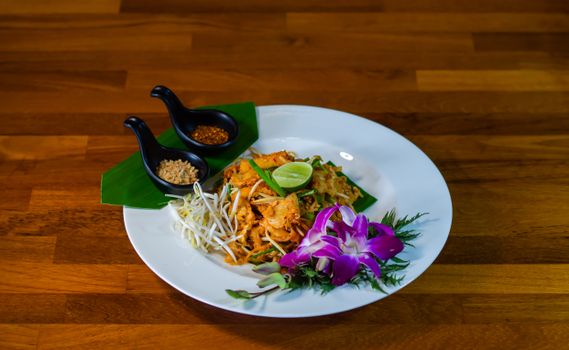
Photo: Augustinus Martinus Noppé / Pexels
The diets react (see scores below)
Common Ingredients
- rice noodles
- tofu
- egg
- tamarind paste
- soy sauce
- peanuts
- bean sprouts
- lime
Specific recipes may vary.
Incompatible with 5 of 11 diets
Diet Ratings
Tofu Pad Thai is fundamentally incompatible with ketogenic eating. Rice noodles are the core ingredient and are a high-glycemic grain-based starch, contributing roughly 40-50g of net carbs per standard serving on their own — already exceeding the entire daily keto carb budget. Tamarind paste adds significant sugar content, and the dish as traditionally prepared is primarily a carbohydrate-forward meal. While tofu, egg, and peanuts have some keto-friendly properties, they cannot offset the massive carb load from the noodles and tamarind. This dish would break ketosis in a single serving.
Tofu Pad Thai as listed contains egg, which is a direct animal product and disqualifies this dish from vegan compliance. Egg is a standard ingredient in traditional Pad Thai and is explicitly listed here. All other ingredients — rice noodles, tofu, tamarind paste, soy sauce, peanuts, bean sprouts, and lime — are fully plant-based. The dish could easily be made vegan by omitting the egg or substituting with a plant-based alternative such as extra tofu scrambled in, but as described it is not vegan.
Tofu Pad Thai is heavily non-paleo across multiple core ingredients. Rice noodles are a grain product, explicitly excluded from the paleo diet. Tofu is a soy-based legume product, also firmly excluded. Soy sauce contains both soy (a legume) and wheat (a grain), making it doubly non-paleo. Peanuts are legumes, not true nuts, and are excluded. Bean sprouts, derived from legumes, are also excluded. The dish has at least five distinct non-paleo ingredients, making it one of the least paleo-compatible meals possible. The only paleo-approved ingredients are egg, tamarind paste, and lime — far too few to redeem the dish.
Tofu Pad Thai contains several Mediterranean-friendly elements — tofu (a plant-based protein), egg, peanuts, bean sprouts, lime, and tamarind — but is built on a foundation of refined white rice noodles and relies on soy sauce rather than olive oil as its primary flavoring fat. Rice noodles are a refined grain with little fiber, which Mediterranean guidelines discourage in favor of whole grains. Soy sauce is a high-sodium condiment not part of Mediterranean tradition, and the dish lacks olive oil entirely. That said, the plant-forward protein (tofu), legume-based fat source (peanuts), and fresh vegetables align reasonably well with Mediterranean principles. The dish is not harmful but represents a moderate departure from core Mediterranean dietary patterns primarily due to refined noodles and absence of olive oil.
Some modern Mediterranean diet interpretations, particularly those informed by broader 'Blue Zone' research, are more permissive about traditional Asian soy-based proteins and rice as acceptable substitutes, noting that tofu and legumes share the same plant-protein spirit as Mediterranean staples like chickpeas and lentils. In this view, Pad Thai could score higher if prepared with less sodium and paired with olive oil-dressed vegetables.
Tofu Pad Thai is almost entirely plant-based and completely incompatible with the carnivore diet. The dish is dominated by plant-derived ingredients: rice noodles (grain), tofu (soy-based legume product), tamarind paste (fruit), soy sauce (fermented soy/grain), peanuts (legume), bean sprouts (plant), and lime (citrus fruit). The only carnivore-compatible ingredient is egg, which is a minor component here. Every core element of this dish — the protein source, the noodle base, the sauce, and the garnishes — violates carnivore principles. Tofu in particular is a processed soy product, one of the most excluded foods on carnivore due to its plant origin, phytoestrogens, and antinutrients.
Tofu Pad Thai contains multiple excluded ingredients that make it clearly non-compliant with Whole30. Rice noodles are a grain product (rice-based), which falls under the excluded grains category. Tofu is a soy product, and soy is explicitly excluded. Soy sauce contains both soy and wheat, both excluded. Peanuts are legumes, also explicitly excluded. Bean sprouts, while themselves acceptable, are typically mung bean sprouts and are a minor concern compared to the other violations. This dish has at least four distinct Whole30-excluded ingredients, making it definitively off-program.
Tofu Pad Thai is largely low-FODMAP friendly, but several ingredients require attention. Rice noodles are clearly low-FODMAP and safe. Firm or extra-firm tofu is low-FODMAP at standard servings (100g) because pressing removes much of the water-soluble GOS. Eggs are low-FODMAP. Lime juice is low-FODMAP. Bean sprouts are low-FODMAP at 85g per Monash. Tamarind paste is low-FODMAP at small servings (around 1 tablespoon) but becomes moderate-FODMAP at larger amounts due to excess fructose — a typical Pad Thai sauce may use more than this threshold. Soy sauce (wheat-containing) contains trace fructans, though the small quantity typically used in a dish is generally considered safe by Monash; tamari (gluten-free) is a safer substitute. Peanuts are low-FODMAP at 28g (a small handful) but become high-FODMAP at larger servings due to GOS — Pad Thai often includes a generous garnish of peanuts. The main risks are portion-dependent: tamarind quantity in the sauce and peanut garnish size. This dish can be low-FODMAP if prepared carefully with portion-controlled tamarind paste and peanuts, but as commonly served in restaurants it may exceed safe thresholds.
Monash University rates firm tofu, bean sprouts, and rice noodles as clearly safe, and the dish's base is sound. However, clinical FODMAP practitioners often flag restaurant Pad Thai due to unpredictable sauce quantities (tamarind can exceed 1 tbsp easily) and heavy peanut garnishes; home preparation with controlled amounts is much safer than ordering this dish out.
Tofu Pad Thai contains several DASH-friendly ingredients — tofu (lean plant protein), bean sprouts (vegetable), egg (moderate protein), lime (fruit), and rice noodles (refined grain, acceptable in moderation) — but the dish is significantly compromised by soy sauce, which is extremely high in sodium (600–900mg per tablespoon). A typical restaurant serving of Pad Thai can easily contain 1,200–2,000mg of sodium, representing a large portion of or exceeding the daily DASH sodium limit in a single meal. Tamarind paste adds sugar and some acidity but is relatively benign. Peanuts are DASH-compatible as a nut/seed in small portions but add calories and fat. Overall, the dish has a favorable protein and vegetable profile but the sodium load from soy sauce is the primary concern for DASH compliance.
NIH DASH guidelines explicitly flag high-sodium condiments like soy sauce as problematic; however, updated clinical interpretations note that a home-prepared version using low-sodium soy sauce (reducing sodium by ~40–50%) and controlling portion size could bring this dish within acceptable DASH parameters, making it more of an 'approve with modification' than a strict caution.
Tofu Pad Thai presents a mixed Zone picture. The protein sources — tofu, egg, and peanuts — are all Zone-acceptable, with tofu being a favorable vegetarian protein (though it requires larger fat blocks since vegetarian protein fat blocks count 3g fat rather than 1.5g). Bean sprouts and lime are excellent low-glycemic, high-polyphenol Zone-friendly additions. However, rice noodles are the central problem: they are a high-glycemic refined carbohydrate that Dr. Sears classifies as 'unfavorable,' spiking insulin and disrupting the hormonal balance the Zone aims to achieve. The dish as traditionally served is heavily carbohydrate-skewed with the noodles dominating the macro profile, making it difficult to hit 40/30/30 without significant modification. Tamarind paste and soy sauce add sugar and sodium, further complicating the glycemic load. Peanuts contribute omega-6 fats, which conflict with the Zone's anti-inflammatory emphasis on monounsaturated and omega-3 fats. With careful portion control — reducing noodles substantially, increasing tofu and egg, and moderating peanuts — this dish can be nudged toward Zone ratios, but the traditional preparation is challenging to balance.
Some Zone practitioners note that in Sears' later writings (The OmegaRx Zone, Zone Perfect Meals in Minutes), he acknowledges that occasional use of higher-glycemic carbs is manageable if portions are tightly controlled and the meal is otherwise balanced. A small serving of rice noodles alongside ample protein and fat could technically fit within a 3-block Zone meal structure, making this more of a 'portion discipline' issue than a categorical exclusion. The vegetarian protein context (tofu) also shifts the fat block math, potentially allowing peanuts to serve double duty as both fat and minor protein.
Tofu Pad Thai presents a mixed anti-inflammatory profile. On the positive side, tofu is an emphasized whole soy food in anti-inflammatory frameworks, providing plant protein and isoflavones with anti-inflammatory properties. Peanuts offer some monounsaturated fats and resveratrol. Bean sprouts contribute fiber and micronutrients. Lime adds vitamin C and flavonoids. Tamarind paste provides polyphenols. Eggs are a moderate-category food with choline and selenium. However, the dish has notable concerns: rice noodles are refined carbohydrates with a high glycemic index, which can promote inflammatory signaling at higher portions. Traditional Pad Thai preparations often include fish sauce (omitted here) and can involve cooking oils high in omega-6 (the oil used for stir-frying is unlisted but would matter significantly). Soy sauce contributes high sodium, which in excess can promote inflammation indirectly via blood pressure effects. The overall dish is nutritionally reasonable — plant-forward, fiber-containing, with beneficial soy protein — but the refined rice noodle base and likely cooking oil keep it out of the 'approve' tier. Prepared with extra virgin olive oil or avocado oil, with modest noodle portions, this dish leans toward the better end of 'caution.'
Some anti-inflammatory practitioners following AIP or lectin-avoidance protocols (e.g., Dr. Steven Gundry) would flag peanuts (technically legumes with lectins) and soy sauce (fermented but high-sodium and potentially containing gluten) as concerns, pushing this toward a lower caution score. Conversely, mainstream anti-inflammatory researchers like Dr. Weil strongly endorse tofu and whole soy foods, and would view this as a generally acceptable plant-forward meal, particularly if prepared with a quality cooking fat.
Tofu Pad Thai has a mixed nutritional profile for GLP-1 patients. On the positive side, it includes tofu and egg as solid plant-based and complete protein sources, bean sprouts add water content and light fiber, and lime juice is GI-friendly. Tamarind and soy sauce provide flavor without added fat. However, rice noodles are a refined carbohydrate with minimal fiber and low protein density, meaning a standard Pad Thai serving skews heavily toward carbs relative to protein. Peanuts add heart-healthy unsaturated fat but also increase caloric density per bite — a concern when appetite is suppressed and every calorie must count. Traditional restaurant portions are large and often oilier than home-prepared versions. At home, this dish can be rebalanced toward GLP-1 friendliness by increasing tofu and egg, reducing noodle volume, and limiting peanuts to a light garnish.
Some GLP-1-focused dietitians are more permissive with rice noodles than wheat-based refined carbs because they tend to be easier to digest and less likely to cause bloating — a meaningful consideration given slowed gastric emptying. Others flag the typically high sodium content of Pad Thai (from soy sauce and tamarind) as a concern for patients who are also managing blood pressure alongside weight loss.
*See how scores were generated at our methodology page.
Nutritional profile
Six traits that cut across every diet.
Fiber & Plants
How much whole-plant food and fiber it delivers.
Healthy Fats
The quality of its fats (unsaturated, omega-3).
Whole / Unprocessed
How close it is to its natural, unprocessed form.
Gut Gentle
How easy it is on digestion (low FODMAP, few irritants).
Low Glycemic
How little it spikes your blood sugar.
Protein Density
How much protein it packs per calorie.
Controversy Index
Higher controversy = more disagreement between diets.
Diet-Specific Tips
 Mediterranean — 5/10
View tips
- Refined white rice noodles lack fiber and contradict whole-grain Mediterranean preference
- Tofu is a plant-based protein, broadly compatible with Mediterranean plant-forward principles
- Peanuts provide healthy unsaturated fats aligned with nut consumption guidelines
- No olive oil used — soy sauce and tamarind are the primary flavor bases, not Mediterranean staples
- Egg is an acceptable moderate ingredient in Mediterranean eating
- Bean sprouts and lime contribute fresh vegetable/fruit elements consistent with the diet
- High sodium from soy sauce is a nutritional concern not aligned with Mediterranean cooking
 Low-FODMAP — 6/10
View tips
- Rice noodles are low-FODMAP and safe
- Firm tofu is low-FODMAP at 100g due to GOS reduction from pressing
- Tamarind paste is low-FODMAP at ≤1 tbsp but excess fructose risk increases above this
- Peanuts are low-FODMAP at 28g but high-FODMAP at larger garnish portions (GOS)
- Soy sauce contains trace wheat fructans — tamari is a safer swap
- Bean sprouts, egg, and lime are all low-FODMAP
- Restaurant portions may exceed safe thresholds for tamarind and peanuts
 DASH — 5/10
View tips
- High sodium from soy sauce — a single serving can approach or exceed DASH daily sodium limits
- Tofu is an excellent DASH-approved lean plant protein
- Bean sprouts and lime contribute vegetables/fruit consistent with DASH principles
- Rice noodles are refined grain; DASH prefers whole grains but permits refined in moderation
- Peanuts are DASH-compatible nuts but should be portion-controlled
- Low-sodium soy sauce substitution would significantly improve DASH compatibility
- Egg is acceptable in moderation under most current DASH interpretations
 Zone — 5/10
View tips
- Rice noodles are high-glycemic refined carbs — classified 'unfavorable' in Zone terminology
- Tofu is a favorable Zone vegetarian protein source but requires larger fat block allocation (3g/block vs 1.5g for animal protein)
- Bean sprouts and lime are excellent low-glycemic, polyphenol-rich Zone carb choices
- Peanuts are high in omega-6 fats, conflicting with Zone's anti-inflammatory fat hierarchy
- Traditional Pad Thai macro ratio is heavily carbohydrate-dominant, far from 40/30/30
- Tamarind paste contains sugar, adding to glycemic load
- Dish can be Zone-adapted by significantly reducing noodle portion and increasing tofu/egg
 Anti-Inflammatory — 6/10
View tips
- Tofu (whole soy) is an emphasized anti-inflammatory protein source with isoflavones
- Rice noodles are refined carbohydrates with high glycemic index — pro-inflammatory at large portions
- Peanuts provide monounsaturated fats and some anti-inflammatory compounds
- Bean sprouts add fiber and micronutrients with minimal inflammatory impact
- Cooking oil is unlisted — choice would significantly shift the inflammatory profile
- High sodium from soy sauce is a moderate concern
- Egg is a neutral-to-moderate food per anti-inflammatory guidelines
- Lime and tamarind contribute polyphenols and antioxidants
 GLP-1 Friendly — 5/10
View tips
- Rice noodles are low-fiber refined carbs, diluting protein and fiber density per calorie
- Tofu and egg together can deliver 15-20g protein if portions are generous — portion composition matters significantly
- Peanuts add unsaturated fat (acceptable) but increase caloric density, which is a drawback on reduced appetite
- Bean sprouts and lime support hydration and digestibility
- Standard restaurant portions are oversized and often higher in oil than home versions
- Relatively easy to digest compared to meat-heavy or fried Thai dishes
- Sodium load from soy sauce and tamarind may be a secondary concern for some patients