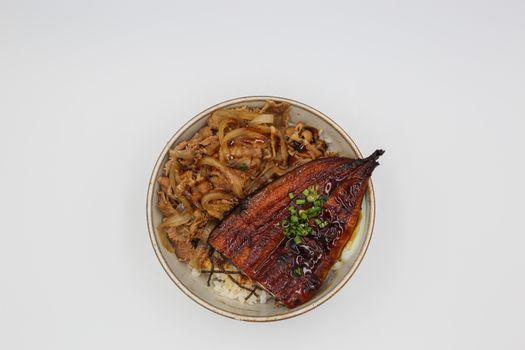
Photo: Cohesion Singapore / Pexels
Japanese
Unadon (Eel Bowl)
The diets react (see scores below)
Common Ingredients
- unagi
- short-grain rice
- unagi sauce
- sansho pepper
- mirin
- soy sauce
- sake
- sesame seeds
Specific recipes may vary.
Incompatible with 5 of 11 diets
Diet Ratings
Unadon is fundamentally incompatible with a ketogenic diet. The dish is built on a bed of short-grain white rice, which is one of the highest net-carb foods available — a standard serving (1 cup cooked) contains approximately 45-53g net carbs, immediately exceeding or maxing out the daily keto limit in a single dish. Beyond the rice, unagi sauce (tare) is a sweet glaze made with mirin, soy sauce, sake, and sugar, adding significant additional sugar and carbohydrates. Mirin itself is a sweetened rice wine with substantial sugar content. The unagi (eel) protein itself is keto-friendly — it's a fatty fish with zero carbs — but it cannot redeem a dish so structurally dependent on rice and sugary sauce. Even a deconstructed version without rice would require careful sauce modification. As served in its traditional form, this dish should be avoided on keto.
Unadon is a Japanese eel rice bowl built around unagi (freshwater eel), which is unambiguously an animal product — specifically a fish. There is no debate within vegan communities about whether consuming eel is compatible with a vegan diet. All other ingredients (rice, soy sauce, mirin, sake, sansho pepper, sesame seeds) are plant-based, but the dish is fundamentally defined by and inseparable from its eel component. The unagi sauce itself is also traditionally made using eel drippings/stock, compounding the non-vegan status.
Unadon is fundamentally incompatible with the paleo diet. The dish is built on a base of short-grain white rice, a grain that is explicitly excluded from paleo. Beyond the rice, the unagi sauce is a processed condiment containing soy sauce (a soy-based legume product) and sugar (refined). Mirin is a sweetened rice wine — combining a grain-derived alcohol with added sugar. Sake is also grain-derived (fermented rice). Soy sauce itself contains both wheat and soy, making it doubly non-paleo. While the eel (unagi) is an excellent paleo protein and sansho pepper is a paleo-compliant spice, the structural components of this dish — rice, soy sauce, mirin, sake, and sweetened glaze — are all disqualifying. This is not a borderline case; the majority of ingredients violate core paleo principles.
Unadon presents a mixed picture from a Mediterranean diet perspective. The primary protein — eel (unagi) — is a fatty fish, which aligns well with the Mediterranean emphasis on fish and seafood consumed 2-3 times weekly. Eel provides healthy omega-3 fatty acids and lean protein, clearly supported by Mediterranean principles. However, the dish is built on a base of short-grain white rice, a refined grain that lacks the fiber and nutrients of whole grains preferred in the Mediterranean pattern. The unagi sauce is heavily sweetened (containing mirin, soy sauce, and sake), introducing added sugars and high sodium that conflict with Mediterranean dietary values. There is no olive oil, no vegetables, and no legumes — the dish is entirely absent of the plant-forward diversity that defines Mediterranean eating. It is not a processed food per se, but the refined carbohydrate base and sugary glaze sauce bring it down significantly. Overall, the fish component is a positive, but the refined grain base and sweet, high-sodium sauce make this a moderate-caution dish rather than an approved one.
Some Mediterranean diet interpretations, particularly those focused on the PREDIMED study framework, emphasize fish consumption above all other animal proteins and might view this dish more favorably given eel's fatty acid profile. Traditional Japanese dietary patterns share some overlap with Mediterranean principles (fish-forward, low red meat), and a more culturally flexible interpretation could treat this as an acceptable fish-centered meal.
Unadon is fundamentally incompatible with the carnivore diet despite containing eel (an approved animal protein). The dish is built around short-grain rice, a grain and a major plant food that is categorically excluded. The unagi sauce contains mirin (sweet rice wine with sugar), soy sauce (fermented soybeans), and sake (rice-derived alcohol) — all plant-derived and/or sugar-containing condiments. Sansho pepper is a plant-based spice, and sesame seeds are plant seeds. The eel itself would be carnivore-approved, but every other component of this dish violates carnivore principles. There is no meaningful way to modify Unadon into a carnivore-compatible meal while retaining its identity as a dish.
Unadon contains multiple excluded ingredients that make it clearly non-compliant with Whole30. First and most critically, short-grain rice is a grain and is explicitly excluded from the Whole30 program. Second, soy sauce contains soy (a legume) and wheat (a grain), both of which are excluded — coconut aminos would be the compliant substitute. Third, unagi sauce is a sweetened glaze typically made with soy sauce, mirin, sugar, and sake — the added sugar alone disqualifies it. Fourth, mirin is a sweet rice wine that contains both alcohol and sugar, making it doubly excluded. Fifth, sake is an alcoholic beverage made from fermented rice, which is excluded as both alcohol and a grain product. The dish as traditionally prepared fails on multiple fronts simultaneously.
Unadon is largely low-FODMAP in its core components — unagi (eel) is a plain protein with no FODMAPs, and short-grain white rice is well-established as low-FODMAP. Soy sauce is low-FODMAP at standard serving sizes (Monash approves up to 2 tablespoons). Sake and mirin are rice-based alcohols/condiments that are generally low-FODMAP in small culinary quantities, and sesame seeds are low-FODMAP at typical garnish amounts. Sansho pepper is a spice with no known significant FODMAP content. The primary concern is the unagi sauce (tare), which is a sweet, thick glaze typically made from soy sauce, mirin, sake, and sugar — the issue is that commercially prepared unagi sauce is often made with high-fructose corn syrup or glucose-fructose syrup in addition to or instead of cane sugar, which could introduce excess fructose. Even with regular sugar, a generous glazing means a meaningful quantity of this sauce is consumed with the dish. The cumulative FODMAP load from the sauce coating the eel and rice is the key uncertainty. If the sauce is homemade with regular sugar (sucrose) and standard low-FODMAP ingredients, the dish would likely qualify as low-FODMAP. However, restaurant and commercial preparations frequently use HFCS-containing sauces or are applied liberally, pushing this into caution territory.
Monash University has not specifically tested unagi sauce or traditional unadon as a dish. Clinical FODMAP practitioners often advise caution with any sweet Asian glazes during the elimination phase due to the high likelihood of HFCS or fructose-heavy sweeteners in commercial preparations, even when individual listed ingredients appear safe.
Unadon presents a mixed DASH profile. Unagi (freshwater eel) is a lean-ish protein source rich in omega-3 fatty acids, potassium, and notably high in vitamin A and DHA — attributes that align with DASH's emphasis on fish and lean protein. The short-grain white rice, while refined (not a whole grain), is a staple carbohydrate that DASH accommodates in moderation. However, the dish's primary DASH concern is sodium: the unagi sauce is a reduction of soy sauce, mirin, and sake, making it sodium-dense. A typical Unadon serving can contain 800–1,200mg of sodium, representing a substantial portion of the DASH daily sodium budget (2,300mg standard, 1,500mg low-sodium). Additionally, unagi is higher in fat than most DASH-recommended fish, with moderate saturated fat content. The sweet glaze also contributes added sugars from mirin and the sauce reduction. The dish is not heavily processed in the Western sense, but its sodium load and refined carbohydrate base make it a 'caution' food — acceptable occasionally but not a DASH staple. A modified version using reduced-sodium soy sauce and smaller sauce portions would score meaningfully higher.
NIH DASH guidelines emphasize fish as a preferred lean protein and would note eel's omega-3 and micronutrient density positively; however, updated clinical interpretations from DASH-oriented cardiologists flag that the sodium load from traditional unagi sauce makes this dish problematic for sodium-restricted DASH adherents (especially the 1,500mg/day protocol), while more flexible DASH practitioners might allow it as an occasional meal within a low-sodium day.
Unadon presents a challenging Zone Diet profile primarily due to its rice base. Short-grain Japanese rice is a high-glycemic carbohydrate that Zone methodology classifies as 'unfavorable,' and a traditional unadon bowl contains a substantial portion — typically 150-200g cooked rice — far exceeding a Zone-appropriate carb serving. The unagi sauce (tare) adds concentrated sugar via mirin and soy sauce, further spiking the glycemic load. On the positive side, unagi (freshwater eel) is a genuinely favorable Zone protein: it's a lean-to-moderate fish with excellent omega-3 fatty acid content (EPA and DHA), fitting well within Zone's anti-inflammatory emphasis. The fat profile includes beneficial monounsaturated and omega-3 fats. However, the dish as traditionally served is heavily carb-dominant, with the rice portion likely delivering 4-6 carb blocks alone while the macro ratio skews far from the 40/30/30 target. To make it Zone-compatible, one would need to dramatically reduce the rice (to perhaps 1/4 cup cooked), add low-glycemic vegetables as a base or side, and limit the sugary tare sauce. As traditionally plated, the dish is carb-heavy and sugar-spiked, warranting a caution rating despite the protein quality.
Unadon presents a genuinely mixed anti-inflammatory profile. On the positive side, unagi (freshwater eel) is a notably nutrient-dense fish rich in omega-3 fatty acids (EPA and DHA), vitamin E, vitamin D, and B12 — all with demonstrated anti-inflammatory properties. Sansho pepper contains sanshool compounds with potential anti-inflammatory activity, and sake/mirin in small cooking quantities are relatively benign. However, several factors pull this dish toward caution: (1) The unagi sauce is typically high in added sugar and sodium, contributing to glycemic load and potentially pro-inflammatory effects at scale. (2) Short-grain white rice is a refined carbohydrate with a high glycemic index — it lacks the fiber and micronutrients of whole grains, which are preferred in anti-inflammatory frameworks. (3) Traditional unagi preparation in Japan involves grilling (which is fine) but the fish is often glazed repeatedly with the sweet sauce, amplifying added sugar content. (4) Eel is also relatively high in saturated fat compared to leaner fish like salmon or sardines, though its omega-3 content partially offsets this. The dish is not inherently pro-inflammatory but the refined rice base and sugar-heavy sauce meaningfully temper the benefits of the eel itself.
Some anti-inflammatory practitioners would score this higher, emphasizing that eel's omega-3 and vitamin content is substantial enough to classify the dish as broadly beneficial — particularly compared to red meat-based dishes. Dr. Weil's framework is permissive of fatty fish preparations and does not strictly exclude white rice or moderate soy-based sauces, which could support a soft 'approve' verdict in his framework.
Unadon presents a mixed nutritional profile for GLP-1 patients. Unagi (freshwater eel) is a legitimate protein source providing roughly 18-20g protein per 100g serving, which supports the primary GLP-1 priority. However, eel is notably high in fat compared to lean proteins — approximately 11-15g fat per 100g, with a significant portion being saturated fat, which can worsen GLP-1 side effects like nausea, bloating, and reflux due to slowed gastric emptying. The short-grain white rice base is a refined carbohydrate with minimal fiber and low nutrient density per calorie, occupying stomach volume that would be better used for more nutrient-dense foods. The unagi sauce (tare) is high in sugar and sodium — a standard unadon bowl can contain 20-30g of added sugar from the glaze alone, which conflicts with the guidance to avoid high-sugar foods. The overall dish is calorie-dense relative to its nutritional return for GLP-1 patients. Portion size is a meaningful concern — a standard restaurant serving is large. Sansho pepper is generally well-tolerated in small amounts.
Some GLP-1-focused dietitians note that eel's fat content includes beneficial omega-3 and omega-9 fatty acids, and argue that traditional Japanese portion sizes and the overall dietary pattern make unadon more acceptable than isolated macronutrient analysis suggests. Others maintain that the sugar load in unagi sauce and the refined rice base make this a poor caloric investment for patients already eating significantly less, regardless of the omega-3 benefit.
*See how scores were generated at our methodology page.
Nutritional profile
Six traits that cut across every diet.
Fiber & Plants
How much whole-plant food and fiber it delivers.
Healthy Fats
The quality of its fats (unsaturated, omega-3).
Whole / Unprocessed
How close it is to its natural, unprocessed form.
Gut Gentle
How easy it is on digestion (low FODMAP, few irritants).
Low Glycemic
How little it spikes your blood sugar.
Protein Density
How much protein it packs per calorie.
Controversy Index
Higher controversy = more disagreement between diets.
Diet-Specific Tips
 Mediterranean — 4/10
View tips
- Eel is a fatty fish rich in omega-3s, aligning with Mediterranean seafood recommendations
- Short-grain white rice is a refined grain, not the whole grains preferred in Mediterranean diet
- Unagi sauce contains significant added sugar (mirin, sweet soy) — a Mediterranean concern
- High sodium content from soy sauce conflicts with Mediterranean dietary principles
- No vegetables, legumes, or olive oil — dish lacks Mediterranean plant-forward diversity
- No processed meats or red meat — a positive omission
 Low-FODMAP — 5/10
View tips
- Unagi (eel) is a plain protein — zero FODMAPs
- Short-grain white rice is low-FODMAP at standard serving sizes
- Unagi sauce (tare) is the primary risk — commercial versions frequently contain HFCS or excess fructose
- Mirin contains sugars; low-FODMAP in small cooking quantities but adds to cumulative load
- Soy sauce is low-FODMAP at ≤2 tablespoons per Monash
- Sake in culinary quantities is generally safe
- Sansho pepper and sesame seeds are low-FODMAP garnishes
- Cumulative fructose load from sauce generously applied over rice and eel warrants caution
 DASH — 4/10
View tips
- High sodium content from unagi sauce, soy sauce, and mirin glaze (est. 800–1,200mg per serving)
- Unagi (eel) is a DASH-compatible fish protein with beneficial omega-3 fatty acids and DHA
- Short-grain white rice is a refined grain — DASH prefers whole grains but permits white rice in portion-controlled servings
- Moderate saturated fat from eel fat — higher than most DASH-recommended fish (e.g., tilapia, cod)
- Added sugars from mirin and sweet glaze reduction
- Low-sodium soy sauce substitution would meaningfully improve DASH compatibility
- No vegetables included — DASH encourages 4–5 servings of vegetables daily, absent here
 Zone — 4/10
View tips
- Short-grain rice is a high-glycemic 'unfavorable' carbohydrate in Zone terminology
- Unagi is a favorable Zone protein with excellent omega-3 (EPA/DHA) anti-inflammatory profile
- Unagi tare sauce contains significant sugar from mirin, creating glycemic load issues
- Traditional serving size of rice creates a highly imbalanced macro ratio far from 40/30/30
- Dish could be partially adapted by reducing rice and adding vegetables, but requires significant modification
- Sesame seeds contribute small amounts of beneficial fat but negligible impact on overall profile
 Anti-Inflammatory — 5/10
View tips
- Unagi is a good source of omega-3 fatty acids (EPA/DHA) with demonstrated anti-inflammatory effects
- Unagi sauce is high in added sugar and sodium, which are pro-inflammatory at higher doses
- Short-grain white rice is a refined carbohydrate with high glycemic index — not preferred over whole grains
- Sansho pepper provides minor anti-inflammatory phytochemicals
- Eel contains more saturated fat than leaner anti-inflammatory fish choices
- Soy sauce and mirin contribute sodium; acceptable in modest cooking quantities
- Overall dish is moderate — protein benefits offset by refined carb base and sugary glaze
 GLP-1 Friendly — 4/10
View tips
- Eel provides moderate protein (~18-20g per 100g) but is high in fat compared to lean GLP-1-preferred proteins
- Significant saturated fat content may worsen GLP-1 GI side effects including nausea and bloating
- Unagi sauce contains high added sugar (20-30g per bowl), conflicting with low-sugar dietary guidance
- Short-grain white rice is a refined carbohydrate with minimal fiber, low nutrient density per calorie
- Standard restaurant portion size is large — not small-portion friendly for GLP-1 patients
- Eel does contain omega-3 and omega-9 fatty acids, a partial redeeming nutritional factor
- Overall dish is calorie-dense with low fiber, making it a poor nutritional investment for reduced-appetite patients