This dish contains raw or undercooked ingredients. Consume at your discretion.
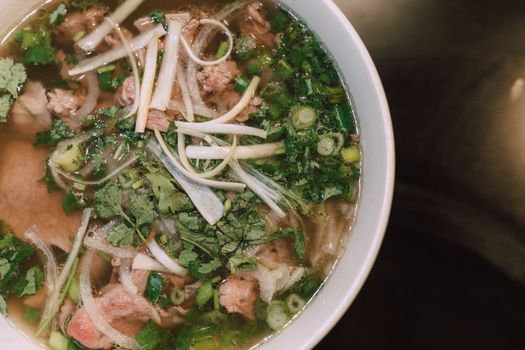
Photo: RDNE Stock project / Pexels
Vietnamese
Pho Tai Nam
The diets react (see scores below)
Common Ingredients
- rice noodles
- raw eye round
- brisket
- star anise
- cinnamon
- ginger
- Thai basil
- fish sauce
Specific recipes may vary.
Incompatible with 6 of 11 diets
Diet Ratings
Pho Tai Nam is fundamentally incompatible with a ketogenic diet due to rice noodles, which are the dish's defining base ingredient. A standard serving of pho contains roughly 40-60g of net carbs from rice noodles alone, easily exceeding the entire daily keto carb budget in a single bowl. The beef components (raw eye round and brisket) are excellent keto proteins, and the aromatic broth made with star anise, cinnamon, ginger, and fish sauce is low-carb and keto-friendly. However, the rice noodles are not an optional garnish — they are structurally central to the dish. Without them, it ceases to be pho. Thai basil and fish sauce contribute negligible carbs. The dish cannot be meaningfully modified and still be called Pho Tai Nam.
Pho Tai Nam contains multiple animal products that categorically disqualify it from a vegan diet. The dish includes two cuts of beef (raw eye round and brisket), which are mammalian flesh, and fish sauce, which is a fermented fish-derived condiment. These are unambiguous animal products with no meaningful debate within the vegan community. The rice noodles, aromatics (star anise, cinnamon, ginger), and Thai basil are plant-based, but they do not offset the presence of beef and fish sauce. This dish is not vegan in any interpretation.
Pho Tai Nam is disqualified primarily by its rice noodles, which are a grain-based ingredient excluded under strict paleo rules. While many components are paleo-friendly — grass-fed cuts like eye round and brisket are excellent protein sources, and the aromatic broth built from star anise, cinnamon, and ginger is entirely compliant — the rice noodles are a non-negotiable grain exclusion. Fish sauce occasionally contains added salt or preservatives and should be scrutinized, but high-quality versions with only fish and salt are a gray area. The dish as traditionally prepared cannot be considered paleo due to the grain-based noodles forming a core structural component.
Pho Tai Nam is a beef-based dish featuring two cuts of red meat (raw eye round and brisket) as its primary protein, which directly conflicts with Mediterranean diet principles that limit red meat to a few times per month. Rice noodles are refined carbohydrates rather than whole grains, adding another concern. While the dish has redeeming qualities — aromatic spices (star anise, cinnamon, ginger) with anti-inflammatory properties, fresh herbs (Thai basil), and fish sauce providing umami without excess saturated fat — the dual red meat portions and refined noodles push it firmly into avoid territory. The broth-based preparation is relatively lean, but the quantity and type of protein remain the core issue.
Some Mediterranean diet practitioners argue that a broth-heavy, herb-rich soup with modest portions of lean beef (eye round is quite lean) could qualify as an occasional acceptable meal, similar to how some traditional Mediterranean cuisines like Italian and Greek do include small amounts of beef in slow-cooked dishes. The aromatic spice profile and fresh herb garnishes align well with the diet's flavor philosophy.
Pho Tai Nam is fundamentally incompatible with the carnivore diet. While it contains excellent carnivore-approved proteins (raw eye round and brisket are quality beef cuts), the dish is built around rice noodles — a grain-based plant food that is strictly excluded. Additionally, the broth is flavored with star anise, cinnamon, and ginger (plant-based spices), and Thai basil is a plant herb. Fish sauce, while animal-derived, is a minor silver lining. The structural carbohydrate base (rice noodles) and multiple plant ingredients make this dish a clear avoid. The beef components themselves would be excellent on carnivore, but as prepared in this dish, it cannot be approved in any tier of the carnivore diet.
Pho Tai Nam contains rice noodles, which are made from rice — a grain explicitly excluded on the Whole30 program. All other ingredients (raw eye round, brisket, star anise, cinnamon, ginger, Thai basil, and fish sauce) are Whole30-compatible. However, the rice noodles are a core, non-negotiable component of pho, and their presence alone disqualifies the dish as served.
Pho Tai Nam is largely low-FODMAP in principle — rice noodles are safe, beef (eye round and brisket) is low-FODMAP, Thai basil is low-FODMAP, and fish sauce is typically low-FODMAP at standard amounts. The key concern lies in the broth preparation: traditional pho broth is made by simmering charred ginger and onion along with star anise, cinnamon, and other spices for hours. Onion — a major fructan source — is almost always included in authentic pho broth, even if not listed explicitly here. Ginger itself is low-FODMAP at small amounts (up to 1 tsp fresh per Monash), and star anise and cinnamon are used in small quantities and are generally low-FODMAP as spices. However, if onion (or shallots) were used in the broth simmer, significant fructans can leach into the liquid, making the broth high-FODMAP. Restaurant-prepared pho almost universally uses onion in the broth. As listed, the ingredient set omits onion and garlic, which would make this safer — but the absence of these from the listed ingredients may reflect an incomplete list rather than their true absence from preparation. Fish sauce should also be checked for additives (some contain garlic/onion), though plain fish sauce is fine. A homemade version strictly following this ingredient list without onion would be closer to a 7, but standard restaurant pho warrants caution.
Monash University has not specifically tested traditional pho broth, and clinical FODMAP practitioners generally advise caution with restaurant soups due to unlisted onion and garlic in stock preparation. Even if this ingredient list is complete, the long simmering of ginger in large quantities could push it into moderate-FODMAP territory for sensitive individuals.
Pho Tai Nam presents a mixed DASH profile. On the positive side, rice noodles are a refined but low-fat carbohydrate, eye round is one of the leanest beef cuts available, aromatic spices (star anise, cinnamon, ginger) are DASH-friendly, and Thai basil adds micronutrients. However, the dish has several DASH concerns: (1) Sodium is the primary issue — fish sauce is extremely high in sodium (one tablespoon contains ~1,400mg), and the broth is typically seasoned generously, making a single bowl likely to contain 1,200–2,000mg of sodium, which can approach or exceed the DASH daily limit in one meal. (2) Brisket is a fattier cut with meaningful saturated fat content, which DASH limits. (3) The broth, while made from bones and aromatics, accumulates significant sodium. The lean eye round (tai) is DASH-acceptable, but the brisket (nam) adds saturated fat. As commonly served in restaurants, this dish is borderline for standard DASH (2,300mg/day) and likely problematic for low-sodium DASH (1,500mg/day). Home preparation with reduced fish sauce and sodium-controlled broth could improve the score considerably.
NIH DASH guidelines flag high-sodium dishes like restaurant pho as problematic due to fish sauce and seasoned broth pushing sodium well above per-meal targets. However, some DASH-oriented clinicians note that pho's nutrient-dense broth, lean protein options, and vegetable accompaniments make it a structurally sound meal that can be modified — requesting light broth, limiting fish sauce, and choosing lean cuts — to fit within DASH parameters, arguing the dish framework is healthier than its restaurant sodium load suggests.
Pho Tai Nam presents a mixed Zone Diet profile. The broth base with aromatic spices (star anise, cinnamon, ginger) is anti-inflammatory and Zone-friendly. The proteins — raw eye round (lean) and brisket — are reasonable, though brisket carries more saturated fat than ideal Zone protein sources. Thai basil and fish sauce are fine additions. The main challenge is the rice noodles: a high-glycemic, refined carbohydrate that Sears classifies as an 'unfavorable' carb. In a typical restaurant serving, rice noodles dominate the carb block count and drive up the glycemic load significantly. To make this Zone-compliant, one would need to dramatically reduce the noodle portion and increase the vegetable component (e.g., bean sprouts, additional herbs). With standard restaurant portions, the carb-to-protein-to-fat ratio is skewed heavily toward carbohydrates. The dish can be adapted — ordering extra protein, leaving noodles mostly uneaten, adding vegetables — but as served, it requires careful modification to fit Zone ratios.
Some Zone practitioners, particularly those following Sears' later anti-inflammatory framework, would note that pho broth made from quality beef bones is rich in collagen and beneficial compounds. Additionally, the spice profile (ginger, cinnamon) is explicitly anti-inflammatory. If one controls noodle portions aggressively (treating them as a single carb block) and selects primarily the eye round slices over brisket, this dish can be reasonably Zoned. Eye round in particular is quite lean and favorable as a protein source.
Pho Tai Nam presents a genuinely mixed anti-inflammatory profile. On the positive side, the broth is built around some of the most potent anti-inflammatory spices available — star anise (rich in anethole, a recognized anti-inflammatory compound), cinnamon (cinnamaldehyde, reduces CRP), and ginger (gingerols and shogaols are well-documented anti-inflammatory agents). Thai basil contributes polyphenols and flavonoids. Rice noodles are gluten-free and relatively neutral. Fish sauce, while high in sodium, is minimally processed and used in small quantities as a condiment. The slow-simmered bone broth base may also contribute collagen and glycine, which some research associates with reduced gut inflammation. The problematic element is the dual beef proteins: eye round (lean, relatively acceptable) and brisket (higher in saturated fat, red meat falls in the 'limit' category under anti-inflammatory guidelines). Red meat consumption is consistently associated with elevated inflammatory markers (IL-6, CRP) in epidemiological research, and brisket in particular is a fatty cut. The dish is not categorically pro-inflammatory — the spice foundation is genuinely excellent — but the red meat content, especially brisket, prevents an 'approve' verdict. Portion size and frequency matter considerably here.
Some anti-inflammatory practitioners (notably those following a Paleo-adjacent or nose-to-tail approach) argue that traditionally prepared beef bone broth and well-sourced ruminant fat contain anti-inflammatory nutrients (CLA, fat-soluble vitamins, gelatin) and should not be broadly condemned — the inflammatory risk of red meat may be overstated for unprocessed, grass-fed sources. Mainstream anti-inflammatory guidelines (Weil, IF Rating system) consistently place red meat in the 'limit' category regardless of sourcing, citing saturated fat and heme iron as concerns.
Pho Tai Nam is a mixed profile for GLP-1 patients. The broth is hydrating, easily digestible, and nutrient-rich — a meaningful positive given reduced thirst sensation and slowed gastric emptying. Rice noodles provide easily digestible carbohydrates but are low in fiber and protein density. The protein sources are the main concern: eye round (tai) is a relatively lean cut and acceptable, but brisket (nam) carries moderate-to-high saturated fat content depending on preparation, which can worsen GLP-1 GI side effects like nausea, bloating, and reflux. A restaurant portion of pho typically delivers 20-30g protein, which is on target for a meal, but total fat from brisket is difficult to control when ordering out. Rice noodles are refined and low-fiber, meaning this dish does little to support the 25-30g daily fiber target. The aromatic spices (star anise, cinnamon, ginger) are gentle on digestion and may actually ease nausea. Fish sauce adds sodium but in small amounts is not a concern. Overall: the broth and lean beef components are assets, but the brisket fat load and near-zero fiber content hold this dish back from approval. Patients can upgrade this dish by requesting extra lean beef only, reducing noodle portion, and adding fresh vegetables.
Some GLP-1-focused dietitians are more permissive with pho, viewing the bone broth base as highly beneficial for hydration, electrolytes, and easy digestion — and treating the fat from brisket as manageable if portion-controlled. Others are more cautious, noting that fatty cuts in a restaurant setting are inconsistently trimmed and that the saturated fat load can reliably trigger nausea and delayed gastric emptying symptoms in GLP-1 patients, particularly in early weeks of treatment.
*See how scores were generated at our methodology page.
Nutritional profile
Six traits that cut across every diet.
Fiber & Plants
How much whole-plant food and fiber it delivers.
Healthy Fats
The quality of its fats (unsaturated, omega-3).
Whole / Unprocessed
How close it is to its natural, unprocessed form.
Gut Gentle
How easy it is on digestion (low FODMAP, few irritants).
Low Glycemic
How little it spikes your blood sugar.
Protein Density
How much protein it packs per calorie.
Controversy Index
Higher controversy = more disagreement between diets.
Diet-Specific Tips
 Low-FODMAP — 5/10
View tips
- Rice noodles are low-FODMAP and safe
- Beef (eye round, brisket) is low-FODMAP protein
- Traditional pho broth nearly always contains onion (fructans), which leaches into broth during long simmering
- Onion is absent from the listed ingredients but likely omitted rather than truly excluded in restaurant preparation
- Ginger is low-FODMAP at ≤1 tsp; large amounts used in broth simmering could be borderline
- Star anise and cinnamon used as spices are low-FODMAP at culinary amounts
- Fish sauce is low-FODMAP at standard serving (~2 tbsp); check for garlic/onion additives
- Thai basil is low-FODMAP
 DASH — 4/10
View tips
- Fish sauce is very high in sodium — a major DASH concern
- Typical restaurant bowl estimated 1,200–2,000mg sodium, potentially exceeding DASH limits in one serving
- Brisket contains saturated fat, which DASH limits
- Eye round (tai) is a lean beef cut, acceptable in DASH in moderation
- Rice noodles are refined carbohydrates — lower fiber than whole grains preferred by DASH
- Aromatics (ginger, star anise, cinnamon) and Thai basil are DASH-positive ingredients
- Low-sodium home preparation with reduced fish sauce and lean cuts would score higher (6–7)
- Red meat component (beef) requires portion control under DASH guidelines
 Zone — 5/10
View tips
- Rice noodles are high-glycemic 'unfavorable' carbs in Zone terminology — the primary concern
- Eye round is a lean, Zone-favorable protein source
- Brisket has higher saturated fat content than ideal for Zone protein blocks
- Broth with ginger, cinnamon, star anise provides anti-inflammatory polyphenols — a Zone positive
- Fish sauce adds sodium but negligible macronutrient impact
- Thai basil provides polyphenols consistent with Zone anti-inflammatory principles
- Standard restaurant portion is likely carbohydrate-heavy; home preparation allows better ratio control
 Anti-Inflammatory — 5/10
View tips
- Ginger, cinnamon, and star anise are among the most potent anti-inflammatory spices — a major positive
- Thai basil contributes polyphenols and flavonoids
- Brisket is a high-saturated-fat red meat cut — falls in the 'limit' category
- Eye round is a leaner red meat, more acceptable but still red meat
- Rice noodles are gluten-free and neutral — neither pro- nor anti-inflammatory
- Fish sauce adds sodium but is minimally processed and used in small amounts
- Slow-simmered broth may provide collagen and glycine with potential gut-supportive benefits
- Overall dish frequency and portion size are key determinants of net inflammatory impact
 GLP-1 Friendly — 5/10
View tips
- Brisket is a fatty cut — moderate-to-high saturated fat may worsen nausea and bloating on GLP-1 medications
- Eye round is a lean cut — a positive protein contribution
- Broth base is hydrating, easy to digest, and supports fluid intake
- Rice noodles are refined carbohydrates with minimal fiber — does not support the 25-30g daily fiber target
- Typical restaurant portion provides approximately 20-30g protein — adequate per meal target
- Ginger in the broth may help ease GLP-1-related nausea
- Dish is portion-sensitive — smaller noodle volume and leaner beef selection significantly improve the rating
- No vegetables in the base recipe — missed opportunity for fiber and micronutrient density