Photo: Lloyd Mitchel Guanzon / Pexels
American
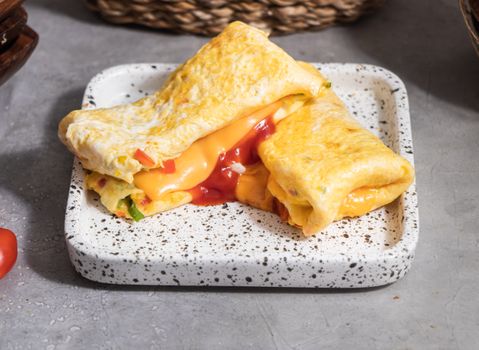
Western Omelet
The diets react (see scores below)
Common Ingredients
- eggs
- ham
- green bell pepper
- onion
- cheddar cheese
- butter
- salt
Specific recipes may vary.
Incompatible with 5 of 11 diets
Diet Ratings
A Western Omelet is an excellent keto meal. Eggs and butter provide high-quality fat and protein as the base, cheddar cheese adds more fat and minimal carbs, and ham is a low-carb protein source. The vegetables — green bell pepper and onion — do contribute some net carbs (roughly 2-4g per standard serving portion used in an omelet), but in typical omelet quantities (a few tablespoons each) the total net carbs remain well under 5-7g per serving. No grains, no added sugars, and whole unprocessed ingredients make this a clean keto-friendly breakfast.
Some stricter keto practitioners flag onions as a moderate-carb vegetable and may caution those with tight carb budgets or insulin sensitivity to minimize or omit them, as onions have a higher sugar content relative to other alliums and can add up if portions are generous.
A Western Omelet contains multiple animal-derived ingredients, making it entirely incompatible with a vegan diet. Eggs are the base of the dish and are a direct animal product. Ham is pork, a meat product. Cheddar cheese is a dairy product derived from cow's milk. Butter is also a dairy product. Every primary component of this dish violates vegan principles, leaving no ambiguity whatsoever.
The Western Omelet contains three non-paleo ingredients that disqualify it outright. Cheddar cheese is dairy and excluded across virtually all paleo frameworks. Salt (added/refined) is excluded under strict paleo rules. Ham is typically a processed, cured meat loaded with added salt, nitrates, and preservatives — not a whole, unprocessed food. The remaining ingredients — eggs, green bell pepper, onion, and butter — are paleo-compatible or debated at worst, but the combination of processed meat, dairy, and added salt makes this dish a clear avoid.
The Western Omelet contains several ingredients that range from acceptable to problematic within the Mediterranean diet framework. Eggs are a permitted moderate food (a few servings per week), and the vegetables (green bell pepper, onion) are genuinely Mediterranean-friendly. However, the dish accumulates multiple concerns: ham is a processed red meat (cured pork), which contradicts Mediterranean principles of limiting red meat and avoiding processed meats; cheddar cheese is a non-Mediterranean dairy (aged yellow cheese rather than traditional feta or fresh cheeses) used in quantity; and butter replaces the canonical olive oil as the cooking fat. No single ingredient is catastrophic, but the combination of processed meat, non-traditional cheese, and butter-based cooking pushes this dish toward the lower end of acceptability.
Some Mediterranean diet practitioners argue that eggs cooked with vegetables represent a fundamentally sound protein-vegetable combination, and that occasional inclusion of small amounts of cured meats reflects traditional practices in parts of Spain and Italy (e.g., jamón, prosciutto). Substituting olive oil for butter and reducing the ham would bring this dish much closer to Mediterranean ideals.
The Western Omelet is disqualified for carnivore compatibility primarily by its plant-based ingredients: green bell pepper and onion are vegetables and are strictly excluded from all tiers of the carnivore diet. These are not minor additives but core components of the dish that define it as a 'Western' omelet. Removing them would fundamentally change the dish. The animal-based ingredients — eggs, ham, cheddar cheese, and butter — range from approved (eggs, butter) to cautionary (ham depending on additives, cheddar as dairy), but the unavoidable presence of plant foods makes the dish as presented a clear avoid.
This Western Omelet contains two excluded ingredients: cheddar cheese (dairy, explicitly excluded) and butter (regular butter is excluded — only ghee and clarified butter are allowed as the sole dairy exception). The eggs, ham, green bell pepper, onion, and salt are all Whole30-compliant. However, the presence of both cheddar cheese and butter makes this dish non-compliant as written. A compliant version could be made by omitting the cheese entirely and substituting ghee or clarified butter for the regular butter, and ensuring the ham contains no added sugar or non-compliant additives.
The Western Omelet contains onion, which is one of the highest-FODMAP foods tested by Monash University due to its very high fructan content. Even small amounts of onion (e.g., less than a tablespoon) can trigger symptoms, and a standard Western Omelet uses a significant portion of onion as a core ingredient. This single ingredient is sufficient to classify the dish as high-FODMAP and unsuitable during the elimination phase. The remaining ingredients are largely low-FODMAP: eggs are low-FODMAP and safe, plain ham (without added honey or high-FODMAP marinades) is low-FODMAP, green bell pepper is low-FODMAP at standard serving sizes (Monash rates it as safe), butter is low-FODMAP (fat-based, negligible lactose), and cheddar cheese is low-FODMAP as a hard aged cheese with minimal lactose. Salt is FODMAP-neutral. However, the presence of onion — a mandatory component of a Western Omelet — makes the dish a clear avoid during elimination.
A Western Omelet contains several DASH-friendly components — eggs provide lean protein, and the vegetables (green bell pepper, onion) are encouraged on DASH. However, the dish is problematic in several areas: ham is a processed, cured meat that is high in sodium (a 2-oz serving can contain 500–700mg sodium); cheddar cheese is full-fat dairy, which DASH specifies should be limited in favor of low-fat options; butter adds saturated fat; and added salt further raises sodium content. The combination of ham, cheddar, butter, and salt likely pushes the sodium content of a single serving well above DASH-friendly levels and introduces meaningful saturated fat. The eggs themselves occupy a nuanced position — DASH has historically been cautious about whole eggs due to cholesterol content, though current dietary guidelines have relaxed this. On balance, the dish is acceptable in moderation if modified (e.g., reduced-sodium ham or turkey, low-fat cheese, reduced butter, no added salt), but as commonly prepared it sits in the caution zone.
NIH DASH guidelines restrict processed meats and full-fat dairy due to sodium and saturated fat content, clearly placing ham and cheddar cheese as foods to limit. However, updated clinical interpretations note that eggs are no longer cholesterol-restricted per the 2020–2025 Dietary Guidelines, and some DASH-oriented dietitians allow modest amounts of full-fat cheese, suggesting this dish could be nudged toward acceptable with minor modifications like swapping ham for a low-sodium protein and using reduced-fat cheese.
A Western Omelet is a reasonable Zone meal candidate but requires careful portioning and some modifications to fully align. The protein sources — eggs and ham — are solid Zone proteins (lean, around 7g per block per egg or ~1oz ham), though whole eggs bring saturated fat from yolks. Green bell pepper and onion are excellent low-glycemic Zone-favorable carbohydrates with polyphenol benefits. The fat profile is the main challenge: butter is a saturated fat (Zone prefers monounsaturated like olive oil), and cheddar cheese adds both saturated fat and additional protein blocks that can throw off the 30/30/40 ratio if not measured. A typical restaurant Western Omelet skews heavily toward protein and fat with insufficient carbohydrate to hit the Zone 40% carb target — you'd need to add more vegetables or a small piece of fruit on the side to balance the blocks. With modifications (swap butter for olive oil, use reduced-fat cheese or limit to 1 block, add extra bell pepper/onion or a side of fruit), this dish can be brought into Zone compliance. As typically served, the saturated fat content and carb deficit put it in 'caution' territory.
Some Zone practitioners and later Sears anti-inflammatory writings are more permissive about eggs and modest saturated fat, recognizing the omega-3 content in eggs (especially pasture-raised) and the minimal amount of butter used in cooking as acceptable. In this view, a 2-3 egg Western Omelet with modest cheese and plentiful vegetables could score as a 7 with only minor portioning attention.
A Western Omelet sits in neutral-to-mixed territory from an anti-inflammatory standpoint. Eggs provide choline, selenium, and vitamin D, which have anti-inflammatory roles, but also contain arachidonic acid, which some researchers associate with pro-inflammatory eicosanoid production. Green bell pepper and onion are genuine anti-inflammatory positives — bell peppers are rich in vitamin C and quercetin, while onions contain quercetin and fisetin, both polyphenols with documented anti-inflammatory activity. Ham is a processed red meat, and regular consumption of processed meats is consistently flagged as pro-inflammatory due to nitrates, sodium, and saturated fat — this is probably the most problematic element. Cheddar cheese is full-fat dairy, which the anti-inflammatory framework places in the 'limit' category due to saturated fat. Butter is also a saturated fat that anti-inflammatory guidance recommends limiting (olive oil would be a preferred substitute). Salt is neutral at typical cooking amounts. Overall, the dish has meaningful anti-inflammatory contributors (eggs, bell pepper, onion) offset by meaningful inflammatory liabilities (processed ham, full-fat cheddar, butter). This makes it acceptable occasionally but not ideal as a regular breakfast in an anti-inflammatory eating pattern.
The egg debate remains genuinely contested: Dr. Weil and mainstream anti-inflammatory guidance now largely accept whole eggs in moderation, emphasizing their nutrient density, but some anti-inflammatory practitioners and autoimmune protocol (AIP) advocates flag arachidonic acid in yolks as a concern. Additionally, mainstream nutrition bodies like the AHA have rehabilitated eggs for most healthy adults, while the most conservative anti-inflammatory protocols still suggest limiting yolks to 1–2 per week.
A Western omelet offers a solid protein foundation from eggs and ham, with some fiber and micronutrients from bell pepper and onion. A typical 3-egg version with ham delivers roughly 25-30g of protein, which aligns well with GLP-1 protein targets per meal. However, the combination of cheddar cheese, butter, and processed ham introduces meaningful saturated fat and sodium. Butter as the cooking fat adds unnecessary saturated fat that can worsen nausea and reflux — common GLP-1 side effects. Cheddar adds flavor and some protein but is calorie-dense and high in saturated fat relative to portion size. Ham is processed meat with moderate protein but elevated sodium and fat compared to leaner options like egg whites, chicken, or turkey. Bell pepper and onion provide some fiber and micronutrients but in quantities too small to meaningfully contribute to daily fiber targets. This dish is not a poor choice — it is far preferable to a pancake breakfast or pastry — but the fat load from butter plus cheese may trigger GI discomfort in GLP-1 patients, particularly at higher doses or early in treatment. Modifications (cooking spray instead of butter, reduced cheese, Canadian bacon or turkey in place of ham) would push this toward a solid approve.
Some GLP-1-focused dietitians view whole eggs with moderate cheese as an acceptable and satiating fat-and-protein combination, arguing the fat content aids meal satisfaction and reduces the need for snacking. Others working with patients experiencing active nausea or reflux recommend stricter fat limits and would caution against butter-cooked egg dishes with cheese, particularly on injection days or during dose escalation.
*See how scores were generated at our methodology page.
Nutritional profile
Six traits that cut across every diet.
Fiber & Plants
How much whole-plant food and fiber it delivers.
Healthy Fats
The quality of its fats (unsaturated, omega-3).
Whole / Unprocessed
How close it is to its natural, unprocessed form.
Gut Gentle
How easy it is on digestion (low FODMAP, few irritants).
Low Glycemic
How little it spikes your blood sugar.
Protein Density
How much protein it packs per calorie.
Controversy Index
Higher controversy = more disagreement between diets.
Diet-Specific Tips
 Keto — 9/10
View tips
- Eggs are a near-perfect keto food — high fat, high protein, near-zero carbs
- Butter as the cooking fat aligns perfectly with keto macros
- Cheddar cheese adds healthy fat with negligible net carbs
- Ham is a low-carb protein source (watch for added sugar in processed versions)
- Green bell pepper is relatively low in net carbs in small omelet portions (~1-2g)
- Onion is the highest-carb ingredient — standard omelet portion (~2 tbsp) is manageable but should be measured
- Total estimated net carbs per serving: ~4-7g, well within daily keto limits
 Mediterranean — 4/10
View tips
- Ham is a processed red meat, contradicting Mediterranean guidelines on limiting red and processed meats
- Butter used instead of extra virgin olive oil, which is the canonical Mediterranean cooking fat
- Cheddar cheese is not a traditional Mediterranean dairy; feta or fresh cheeses would be preferable
- Eggs are permitted in moderation (a few times per week) and are an acceptable Mediterranean protein
- Bell peppers and onion are genuinely Mediterranean vegetables and add positive value
- Overall dish is American in style, not aligned with Mediterranean food traditions or patterns
 DASH — 4/10
View tips
- Ham is a high-sodium processed meat, conflicting with DASH sodium limits
- Cheddar cheese is full-fat dairy; DASH specifies low-fat or fat-free dairy
- Butter adds saturated fat, which DASH limits
- Added salt increases sodium burden
- Green bell pepper and onion are DASH-approved vegetables and add potassium and fiber
- Eggs are a moderate-protein source; cholesterol concern has softened in current guidelines but whole eggs remain debated in conservative DASH practice
- As commonly prepared, total sodium per serving likely exceeds 800–1,000mg, a significant portion of daily DASH sodium allowance
 Zone — 6/10
View tips
- Eggs and ham are Zone-favorable lean proteins that block well at ~7g protein per unit
- Green bell pepper and onion are excellent low-glycemic, polyphenol-rich Zone carbohydrates
- Butter is a saturated fat — Zone protocol prefers monounsaturated fats like olive oil
- Cheddar cheese adds saturated fat and can create a fat-block imbalance if portions are large
- Typical preparation is protein/fat-heavy with insufficient carbohydrate to reach 40% carb target without added vegetables or fruit on the side
- Whole eggs include yolk fat which adds saturated fat; egg whites would improve Zone alignment
- Dish is Zone-adjustable: swap butter for olive oil, limit cheese, increase vegetable volume
 Anti-Inflammatory — 5/10
View tips
- Ham is processed red meat — contains nitrates, sodium, and saturated fat, consistently flagged as pro-inflammatory
- Cheddar cheese is full-fat dairy — falls in the 'limit' category due to saturated fat content
- Butter adds saturated fat; extra virgin olive oil would be the anti-inflammatory-preferred alternative
- Green bell pepper is an anti-inflammatory positive — rich in vitamin C and quercetin
- Onion contributes quercetin and fisetin, notable anti-inflammatory polyphenols
- Eggs are mixed — provide anti-inflammatory nutrients (choline, selenium, vitamin D) but contain arachidonic acid
- No omega-3 sources, whole grains, or strongly anti-inflammatory spices present
 GLP-1 Friendly — 6/10
View tips
- Strong protein per serving from eggs and ham (~25-30g for a 3-egg version with ham)
- Saturated fat load from butter plus cheddar cheese may worsen GLP-1 GI side effects
- Processed ham adds sodium and moderate fat; leaner protein substitutes would improve the profile
- Bell pepper and onion contribute micronutrients and some fiber but not enough to meaningfully meet daily fiber targets
- Cooking method matters: butter increases saturated fat; cooking spray or olive oil would reduce this concern
- Small, satisfying portion size is compatible with GLP-1 reduced appetite
- No refined grains, added sugar, or fried elements — a meaningful advantage over typical American breakfast options