Diet Ratings
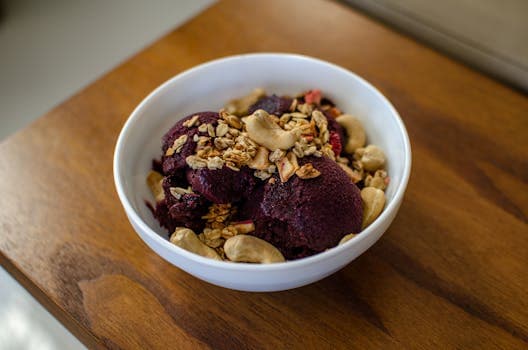
Acai bowls typically contain 40-60g net carbs from acai puree, granola, and fruit toppings. Fundamentally incompatible with ketosis.
Acai berries are plant-based, but commercial bowls often contain honey, yogurt, or granola with animal-derived ingredients. Verification of all toppings required.
iSome vegans accept acai bowls made with plant-based yogurt and agave as fully compliant 'approve' foods.
Acai berries are unprocessed and paleo-compatible, but commercial acai bowls typically contain granola (grains), honey or agave (refined sugars), and yogurt (dairy). The bowl itself becomes problematic due to these additions.
iSome paleo practitioners (Mark Sisson) accept acai bowls if made with compliant toppings: nuts, seeds, coconut flakes, and fresh fruit only, avoiding granola and sweetened yogurt.
Acai berries are nutrient-dense, but commercial bowls often contain added sugars, sweetened granola, and coconut cream. The base fruit is Mediterranean-compatible, but typical preparations exceed recommended sugar intake.
iSome Mediterranean diet practitioners accept acai bowls if prepared with minimal added sugar, fresh fruit toppings, and nuts instead of granola, viewing the antioxidant content favorably.
Acai is a plant-based fruit; bowls typically contain granola, coconut, honey, and other plant foods. Completely incompatible with carnivore diet.
Acai berries are compliant, but commercial acai bowls typically contain added sugars in the acai puree, granola (grains), and sweetened toppings. Homemade versions with unsweetened acai and compliant toppings would be approvable.
iSome Whole30 community members accept unsweetened acai puree as compliant if no added sugars are present, though Melissa Urban emphasizes scrutinizing commercial preparations for hidden sugars.
Acai pulp itself is low-FODMAP, but bowls typically contain high-FODMAP toppings (honey, agave, dried fruit, granola with wheat/onion). Base acai is safe; toppings determine overall FODMAP load.
iMonash University rates acai as low-FODMAP in standard servings, but clinical practitioners emphasize that commercial bowls often exceed safe portions due to added sweeteners and processed toppings.
Acai berries are nutrient-dense and rich in antioxidants, aligning with DASH fruit emphasis. However, commercial acai bowls typically contain added sugars in the acai puree, granola, and sweetened toppings, exceeding recommended added sugar intake. Sodium is usually low.
Acai is low-glycemic superfruit; granola and honey are high-glycemic carbs. Yogurt adds protein but often high-sugar. Nuts add monounsaturated fat. Can be Zone-balanced by minimizing granola/honey and maximizing nuts and protein powder, but typical preparation is carb-heavy.
Acai berries are rich in anthocyanins and polyphenols (potent antioxidants). Typically topped with granola, coconut, and fresh fruit (fiber, vitamins, minerals). Strong anti-inflammatory profile if granola is whole grain and added sugars are minimal.
High in fiber and antioxidants, but typically high in sugar (fruit + sweetened toppings), low in protein, and requires large volume to be satisfying. Portion control is critical. Some GLP-1 patients tolerate fruit well; others find it triggers nausea.
iSome GLP-1 nutrition experts recommend acai bowls as acceptable if protein powder is added and sugar toppings are minimized, while others view the inherent sugar content as problematic given reduced appetite.
Controversy Index
Score range: 1–8/10. Higher controversy = more disagreement between diets.