The diets react (see scores below)
Diet Ratings
Açaí frozen puree contains approximately 9g net carbs per 100g. Often marketed as superfood but is still fruit. Small portions (2-3 tablespoons or ~40g) provide 3-4g net carbs and can fit keto with strict portion control.
Some keto practitioners avoid açaí entirely due to fruit-based carbs and marketing hype, while others include small portions as nutrient-dense occasional additions within carb limits.
Plant-based frozen fruit puree. Minimal processing (freezing only). No animal products or derivatives.
Açaí berry is paleo-approved, but freezing and pureeing constitute processing. Frozen puree is minimally processed compared to powders or supplements, but contradicts the whole-food ideal. Often sold unsweetened, which is favorable. Portion control important due to natural sugar concentration.
Strict paleo practitioners argue that any processing, including freezing and pureeing, deviates from whole-food principles. However, mainstream paleo (Sisson, Whole30) accepts frozen fruits and purees as practical convenience foods with minimal nutrient loss.
While nutrient-dense, açaí is processed and often marketed with added sugars. Mediterranean diet emphasizes whole fresh fruits. Acceptable as occasional supplement but not a staple.
Some Mediterranean diet advocates accept frozen açaí puree as equivalent to fresh berries when unsweetened, particularly in regions without access to fresh tropical fruits.
Plant-derived berry fruit in processed form. Carnivore diet excludes all fruits and plant foods. Açaí is plant-based despite superfood marketing and nutrient density claims.
Pure frozen açaí puree with no added ingredients is compliant. Verify label contains only açaí berries and no added sugars or additives.
Açaí frozen puree is low in FODMAPs at standard serving sizes (typically 100g). Monash University testing indicates low-FODMAP status. However, some commercial products may contain added sugars or other ingredients that could affect FODMAP content.
Monash University has tested pure açaí puree as low-FODMAP, but some commercial frozen açaí products contain added sugars or honey which could increase FODMAP load. Pure, unsweetened versions are safest.
Nutrient-dense berry with antioxidants and fiber, but often high in calories and sometimes added sugars in commercial preparations. Acceptable if unsweetened; portion control important.
NIH DASH guidelines emphasize whole fruits; updated clinical interpretation recognizes açaí's antioxidant profile but cautions against marketing hype and added sugars in commercial products.
High polyphenol content supports anti-inflammatory focus, but typically contains added sugars (~10-15g per 100g serving). Requires careful product selection and portion control.
Dr. Sears acknowledges açaí's polyphenol benefits but warns against commercial preparations with added sugars. Pure unsweetened açaí scores higher (7-8); sweetened versions score 4-5.
Exceptional polyphenol density (anthocyanins, proanthocyanidins), high antioxidant capacity, and minimal processing. Frozen form preserves phytonutrients. Minimal added sugars when pure.
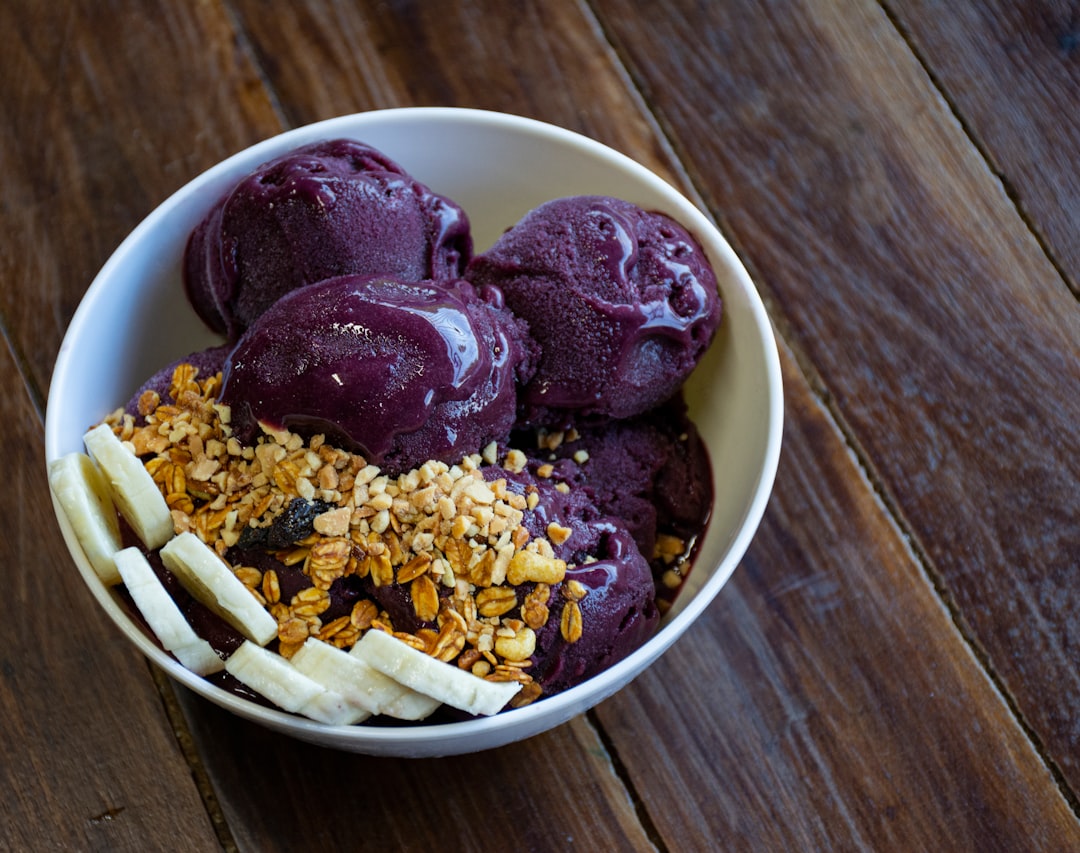
Moderate fiber (2.4g per 100g), high antioxidants, but moderate fat (5.9g per 100g, mostly unsaturated). Calorie-dense (70 cal per 100g). Often consumed in smoothie bowls with added sugars and granola, which worsens the profile. Pure frozen puree alone is acceptable in small portions but requires pairing with protein.
Some RDs promote açaí as nutrient-dense superfood suitable for GLP-1 patients; others caution that the fat content and typical preparation methods (smoothie bowls with toppings) make it easy to exceed calorie/fat targets despite reduced appetite.
Nutritional profile
Six traits that cut across every diet.
Fiber & Plants
How much whole-plant food and fiber it delivers.
Healthy Fats
The quality of its fats (unsaturated, omega-3).
Whole / Unprocessed
How close it is to its natural, unprocessed form.
Gut Gentle
How easy it is on digestion (low FODMAP, few irritants).
Low Glycemic
How little it spikes your blood sugar.
Protein Density
How much protein it packs per calorie.
Controversy Index
Score range: 1–8/10. Higher controversy = more disagreement between diets.
Diet-Specific Tips for Açaí (frozen puree)
 Keto — 5/10
- 9g net carbs per 100g
- Fruit-based sugars
- Nutrient-dense but carb-dense
- Portion control critical
 Vegan — 8/10
- 100% plant-based
- Minimal processing
- Frozen preservation
- No animal derivatives
 Paleo — 6/10
- Minimal processing (freezing/pureeing)
- Whole fruit base
- Natural sugars concentrated
- Check for added sugars
 Mediterranean — 5/10
- Processed form
- Often contains added sugars
- High cost relative to local fruits
- Check ingredient label
 Whole30 — 8/10
- whole fruit product
- label verification required
- no added sugar
 Low-FODMAP — 7/10
- Pure unsweetened versions are low-FODMAP
- Added sugars in some products may increase FODMAP
- Standard serving 100g is safe for pure product
 DASH — 6/10
- High antioxidant content
- Calorie-dense
- Often contains added sugars
- Requires careful product selection
 Zone — 6/10
- High polyphenol density
- Often contains added sugars
- Product-dependent quality
- Requires careful selection
 Anti-Inflammatory — 8/10
- anthocyanins
- proanthocyanidins
- polyphenols
- high antioxidant capacity
- minimal processing
 GLP-1 Friendly — 5/10
- moderate fat content
- calorie-dense
- good antioxidants
- preparation method matters
- requires protein pairing