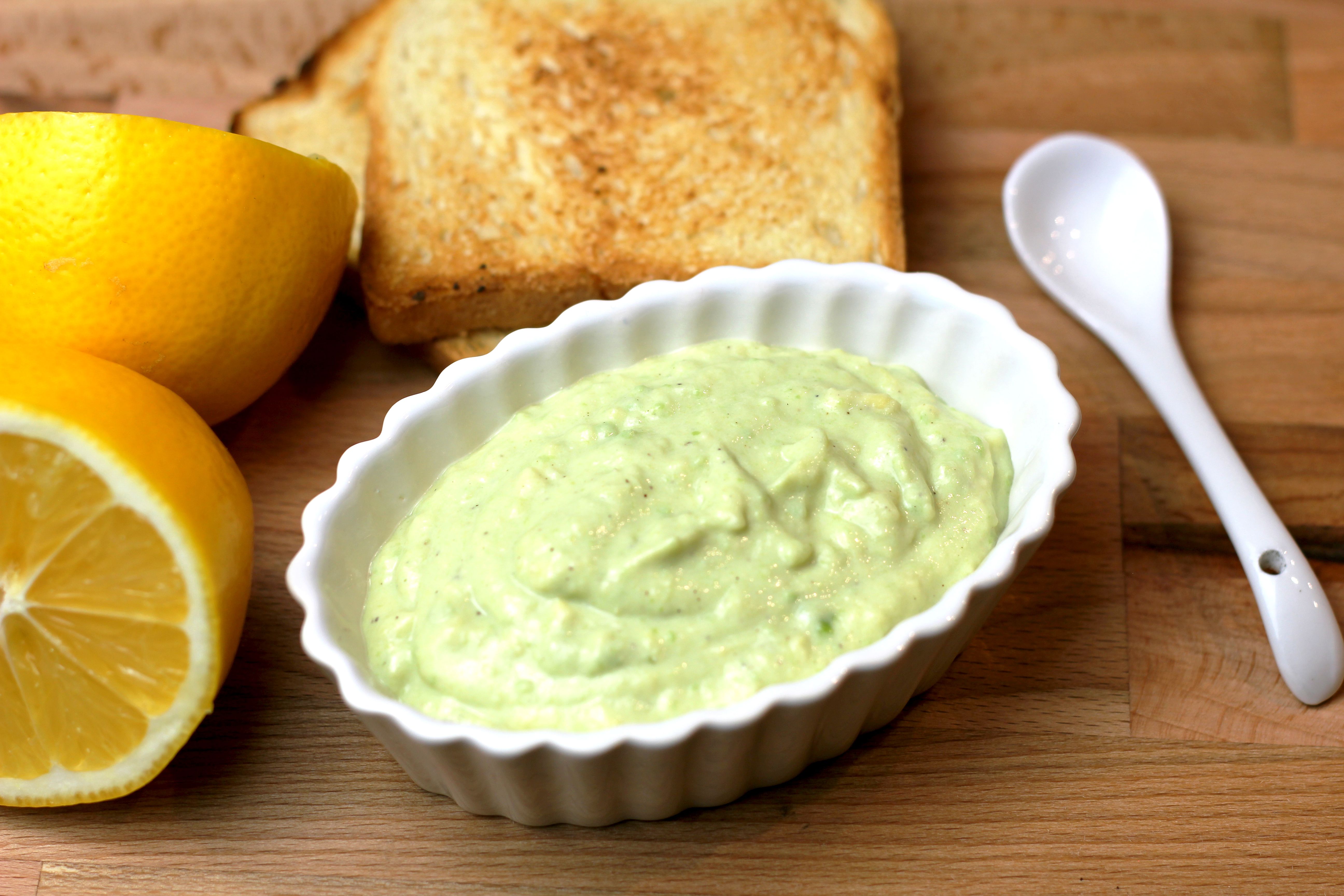
The diets react (see scores below)
Diet Ratings
Aioli is primarily egg yolks and oil (garlic optional), delivering approximately 0-1g net carbs per tablespoon with 10-11g fat. Homemade versions are ideal; commercial versions may contain added sugars but are still relatively low-carb. Excellent keto-compatible condiment.
Traditional aioli contains egg yolk as emulsifier. Eggs are animal products. Not vegan unless explicitly vegan-made.
Traditional aioli is emulsified garlic and olive oil (sometimes with egg yolk). All paleo-approved whole foods. Excellent fat source and flavor enhancer. Commercial versions may contain seed oils or additives—evaluate ingredient list.
Traditional Mediterranean garlic mayonnaise made with olive oil and garlic. While ingredients are Mediterranean, aioli is calorie-dense and typically consumed in small amounts. Acceptable in moderation as a condiment.
Some Mediterranean diet authorities emphasize that traditional aioli made with quality olive oil and minimal eggs is acceptable as a flavor enhancer used sparingly, particularly in Spanish and French Mediterranean regions.
Traditional aioli is emulsion of egg yolks and oil with garlic. Contains eggs (approved) but garlic is plant-derived and plant oils are typically used. Homemade with animal fat (tallow/lard) and without garlic would be acceptable; commercial versions contain plant oil and garlic.
Strict carnivore practitioners avoid aioli entirely due to garlic (plant-derived) and plant oil content. Some may accept homemade versions made with egg yolks and animal fat only, but this is non-standard.
Aioli made from eggs, oil, and garlic is Whole30 compliant. Homemade versions contain only allowed ingredients. Verify commercial versions contain no added sugar or non-compliant additives.
Traditional aioli is garlic mayonnaise, making it high-FODMAP due to garlic content. However, commercial aioli products vary widely—some contain minimal garlic or garlic-infused oil (which may have lower FODMAP content than fresh garlic). Small amounts (1-2 teaspoons) of garlic-infused versions may be tolerated; fresh garlic aioli should be avoided.
Monash University has not specifically tested aioli. Clinical practitioners note that garlic-infused oil aioli may be lower-FODMAP than fresh garlic versions due to reduced garlic solids, but traditional aioli with fresh garlic is high-FODMAP.
High in fat and calories from mayonnaise/oil base. Typically contains added salt. While garlic provides some benefit, the saturated fat and sodium content make it problematic for DASH. Use sparingly or prepare low-sodium version.
Aioli is primarily egg yolks and olive oil (~90% fat, minimal carbs). Macronutrient profile is fat-heavy; 2 tbsp contains ~18g fat, 1g carbs, 1g protein. Acceptable as condiment but can easily exceed monounsaturated fat targets if overused. Portion control essential.
Garlic provides anti-inflammatory benefits, but traditional aioli is primarily egg yolks and oil (often high omega-6 seed oils). Homemade with olive oil is better. Commercial versions often contain inflammatory oils and additives.
Egg yolks contain choline and lutein with some anti-inflammatory properties. Homemade aioli with olive oil and quality eggs can be acceptable. However, commercial versions are problematic.
Emulsion of egg yolk and oil (typically 90+ calories per tablespoon, 10g fat per tablespoon). High fat content directly worsens GLP-1 nausea, bloating, and reflux. Empty calories relative to nutritional benefit. Not recommended.
Nutritional profile
Six traits that cut across every diet.
Fiber & Plants
How much whole-plant food and fiber it delivers.
Healthy Fats
The quality of its fats (unsaturated, omega-3).
Whole / Unprocessed
How close it is to its natural, unprocessed form.
Gut Gentle
How easy it is on digestion (low FODMAP, few irritants).
Low Glycemic
How little it spikes your blood sugar.
Protein Density
How much protein it packs per calorie.
Controversy Index
Score range: 2–9/10. Higher controversy = more disagreement between diets.
Diet-Specific Tips for Aioli
 Keto — 9/10
- 0-1g net carbs per tablespoon
- High fat content (10-11g per tablespoon)
- Egg-based emulsion
- Homemade versions preferred
 Paleo — 9/10
- whole-food ingredients
- olive oil base
- garlic and egg approved
- minimal processing
- no additives in traditional form
 Mediterranean — 6/10
- Olive oil base
- High calorie density
- Condiment portion
- Traditional preparation
 Carnivore — 5/10
- contains eggs (animal-derived)
- typically contains plant-derived garlic
- typically contains plant-derived oil
- homemade versions with animal fat could be acceptable
 Whole30 — 8/10
- Eggs (allowed)
- Oil (natural fat)
- Garlic (herb/spice)
- No added sugar if homemade
 Low-FODMAP — 5/10
- Garlic content (fructans) varies by product
- Garlic-infused oil may be lower-FODMAP than fresh garlic
- Commercial products vary significantly
- Serving size critical (1-2 teaspoons maximum)
 DASH — 4/10
- High saturated fat
- High sodium
- High calorie density
- Minimal nutritional benefit
- Portion control critical
 Zone — 6/10
- Monounsaturated fat from olive oil
- Minimal carbs
- Fat-dominant macronutrient profile
- Portion control required to avoid fat excess
 Anti-Inflammatory — 5/10
- Garlic benefits
- Oil type critical
- High fat content
- Often made with inflammatory oils
- Homemade superior to commercial