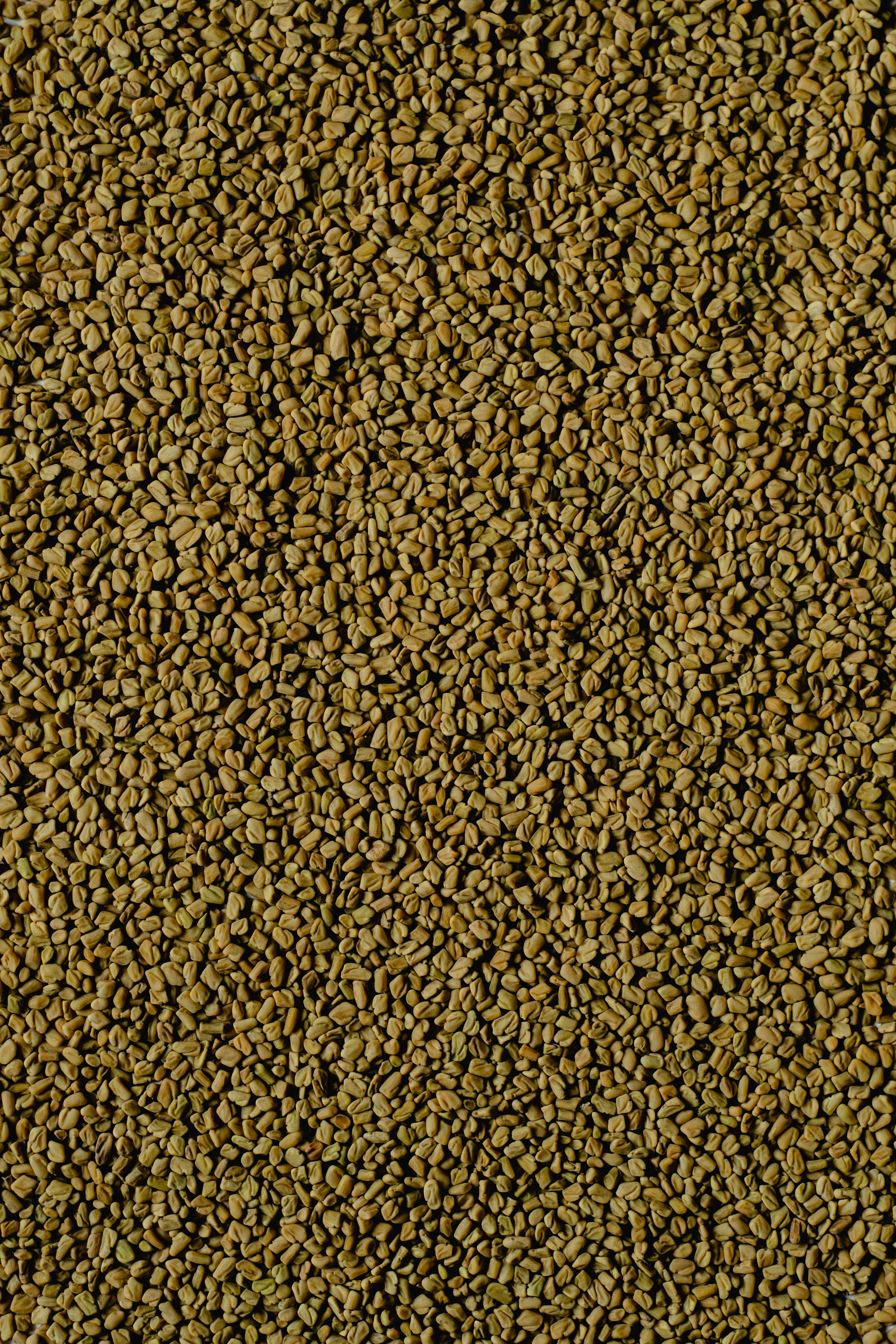
The diets react (see scores below)
Diet Ratings
Ajwain (carom seeds) is a spice used in small quantities. Per tablespoon (~3g), it contains negligible net carbs and is primarily fiber and essential oils. Typical usage amounts make it keto-compatible.
Ajwain (bishop's weed) is a spice seed used in Indian cuisine. It is a whole plant product with no animal ingredients or derivatives.
Ajwain (carom seeds) is an herb/spice with no grains, legumes, or processed ingredients. It is an unprocessed plant-based seasoning available in traditional food systems and contains beneficial compounds.
Carom seeds, a spice used for flavoring. Whole, unprocessed, and adds flavor without calories, fat, or sugar. Consistent with Mediterranean use of herbs and spices.
Ajwain (ajowan caraway) is a spice derived from plant seeds. Carnivore diet strictly excludes all spices and plant-derived seasonings, allowing only salt as a seasoning.
Ajwain (carom seeds) is a whole spice with no added ingredients or excluded components. Herbs and spices are explicitly allowed on Whole30.
Ajwain (carom seeds) is a spice with minimal FODMAP content. Spices are generally low-FODMAP when used in typical culinary amounts. Monash University does not flag ajwain as a high-FODMAP ingredient, and it is safe during elimination phase.
Spice with minimal sodium and calories. Contains thymol and antioxidants. Used in small amounts, adds flavor without salt, supporting DASH sodium reduction goals.
Ajwain (ajowan seeds) is a spice with minimal caloric impact per typical serving. However, it is calorie-dense and high in fat (primarily unsaturated). Small amounts fit Zone meals as a flavoring, but portions must be controlled to avoid exceeding fat blocks.
Some Zone practitioners may rate this higher (6-7) if used as a negligible-calorie spice in typical quantities, since the fat content only matters at larger portions.
Ajwain (ajowan, bishop's weed) is a spice with thymol as its primary active compound. Thymol has antimicrobial and anti-inflammatory properties. Used in traditional medicine for digestive support. Limited but supportive research on anti-inflammatory effects. Fits the anti-inflammatory framework's emphasis on herbs and spices.
Ajwain is less studied than mainstream anti-inflammatory spices like turmeric and ginger. Some practitioners may consider it a secondary or regional spice without strong clinical evidence in Western anti-inflammatory nutrition literature.
Ajwain (bishop's weed) seeds are nutrient-dense and fiber-rich, but very spicy and pungent. May trigger reflux or nausea in GLP-1 patients sensitive to spices. Typically used in small amounts as a spice, so portion control is natural.
Some GLP-1 nutrition guidance considers ajwain beneficial for digestive support due to its carminative properties, while others recommend avoiding all very spicy seeds due to reflux risk. Individual tolerance varies significantly.
Nutritional profile
Six traits that cut across every diet.
Fiber & Plants
How much whole-plant food and fiber it delivers.
Healthy Fats
The quality of its fats (unsaturated, omega-3).
Whole / Unprocessed
How close it is to its natural, unprocessed form.
Gut Gentle
How easy it is on digestion (low FODMAP, few irritants).
Low Glycemic
How little it spikes your blood sugar.
Protein Density
How much protein it packs per calorie.
Controversy Index
Score range: 1–10/10. Higher controversy = more disagreement between diets.
Diet-Specific Tips for Ajwain
 Keto — 9/10
- Spice used in minimal quantities
- Negligible net carbs per serving
- High in fiber relative to weight
- No added sugars
 Vegan — 10/10
- Whole plant seed
- No processing or animal ingredients
- Traditional spice
 Paleo — 9/10
- Whole seed spice
- No processing
- Digestive benefits
- Traditional use
 Mediterranean — 8/10
- whole spice
- minimal processing
- flavor-forward
- no added ingredients
 Whole30 — 9/10
- whole spice
- no additives
- plant-based seasoning
 Low-FODMAP — 8/10
- Spice used in small amounts
- No significant FODMAP content
- Standard culinary portions are low-FODMAP
 DASH — 8/10
- Minimal sodium
- Minimal calories
- Antioxidant properties
- Flavor enhancer without salt
 Zone — 5/10
- calorie-dense spice
- high fat content
- minimal typical serving size
- portion control critical
 Anti-Inflammatory — 7/10
- thymol
- traditional anti-inflammatory use
- digestive support
- limited clinical research
 GLP-1 Friendly — 5/10
- very spicy
- potential reflux trigger
- fiber-rich
- naturally portion-controlled
- digestive properties debated