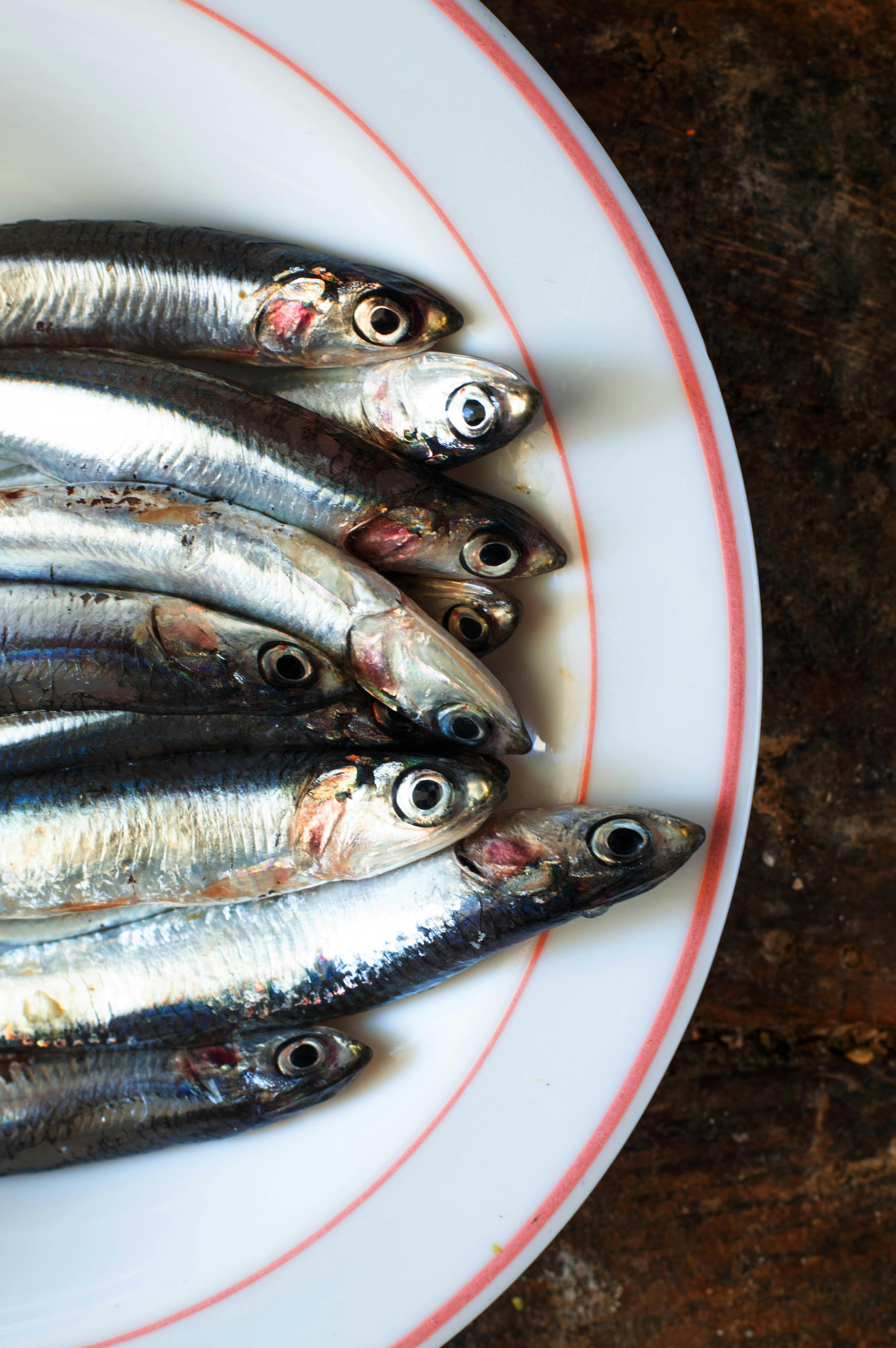
The diets react (see scores below)
Diet Ratings
Anchovies are carb-free, extremely high in protein and omega-3 fats. Nutrient-dense keto staple with exceptional micronutrient profile.
Anchovies are fish and animal flesh. Explicitly excluded from all vegan diets.
Small fatty fish with exceptional nutrient density. Unprocessed, rich in omega-3s, and edible whole. Widely endorsed by paleo authorities.
Small oily fish exceptionally rich in omega-3 fatty acids. Anchovies are a Mediterranean staple used in dressings, pastas, and salads. Minimal processing, maximum nutrition.
Anchovies are nutrient-dense fatty fish with exceptional omega-3 content, vitamin D, and can be consumed whole with bones for calcium. Minimal processing when canned in oil. Highly favored in carnivore protocols.
Anchovies are whole, unprocessed seafood. When canned in water or oil without added ingredients, they are Whole30 compliant.
Anchovies are small fish with no fermentable carbohydrates. Monash University confirms fish as low-FODMAP at all serving sizes.
High in omega-3s and minerals, but very high in sodium (especially canned/salted varieties). DASH guidelines limit sodium intake. Use sparingly as flavoring rather than main protein source.
Exceptional Zone food combining lean protein with omega-3s and monounsaturated fats. Small portion size makes macro balancing efficient. Dr. Sears specifically recommends fatty fish like anchovies for anti-inflammatory benefits.
Exceptional source of EPA and DHA omega-3 fatty acids with high selenium and calcium. One of the most anti-inflammatory fish options. Strongly emphasized in Mediterranean diet research.
High protein (25g per 3oz), omega-3 rich, moderate fat (11g mostly unsaturated). Strong flavor means small portions satisfy. Nutrient-dense (calcium, selenium). Used as condiment/flavoring, naturally portion-controlled.
Nutritional profile
Six traits that cut across every diet.
Fiber & Plants
How much whole-plant food and fiber it delivers.
Healthy Fats
The quality of its fats (unsaturated, omega-3).
Whole / Unprocessed
How close it is to its natural, unprocessed form.
Gut Gentle
How easy it is on digestion (low FODMAP, few irritants).
Low Glycemic
How little it spikes your blood sugar.
Protein Density
How much protein it packs per calorie.
Controversy Index
Score range: 1–10/10. Higher controversy = more disagreement between diets.
Diet-Specific Tips for Anchovies
 Keto — 10/10
- 0g net carbs
- Very high protein (29g per 100g)
- High healthy fat (9g per 100g)
- Exceptional omega-3 and mineral content
 Paleo — 10/10
- Exceptional omega-3 content
- High calcium (edible bones)
- Low mercury
- Unprocessed whole food
 Mediterranean — 10/10
- Exceptional omega-3 content
- Traditional Mediterranean staple
- Minimal processing
- Versatile culinary use
 Carnivore — 9/10
- Very high omega-3 fatty acids
- Edible bones provide calcium
- Excellent vitamin D source
- Minimal processing when canned in oil
 Whole30 — 9/10
- Whole seafood
- Check canned varieties for added ingredients
- Omega-3 rich
 Low-FODMAP — 9/10
- No oligosaccharides
- No disaccharides
- No polyols
- Pure protein
 DASH — 5/10
- Very high sodium
- Excellent omega-3 source
- Rich in calcium
- Use as condiment, not main dish
 Zone — 9/10
- Protein: ~29g per 100g
- Healthy fat: ~9g per 100g (omega-3 rich)
- Zero carbs
- Extreme polyphenol density
- Small portions satisfy fat blocks
 Anti-Inflammatory — 9/10
- Very high EPA/DHA omega-3s
- Selenium and calcium
- Vitamin D
- Minimal mercury
 GLP-1 Friendly — 8/10
- high protein density
- omega-3 rich
- naturally portion-controlled
- nutrient-dense
- strong flavor aids satiety