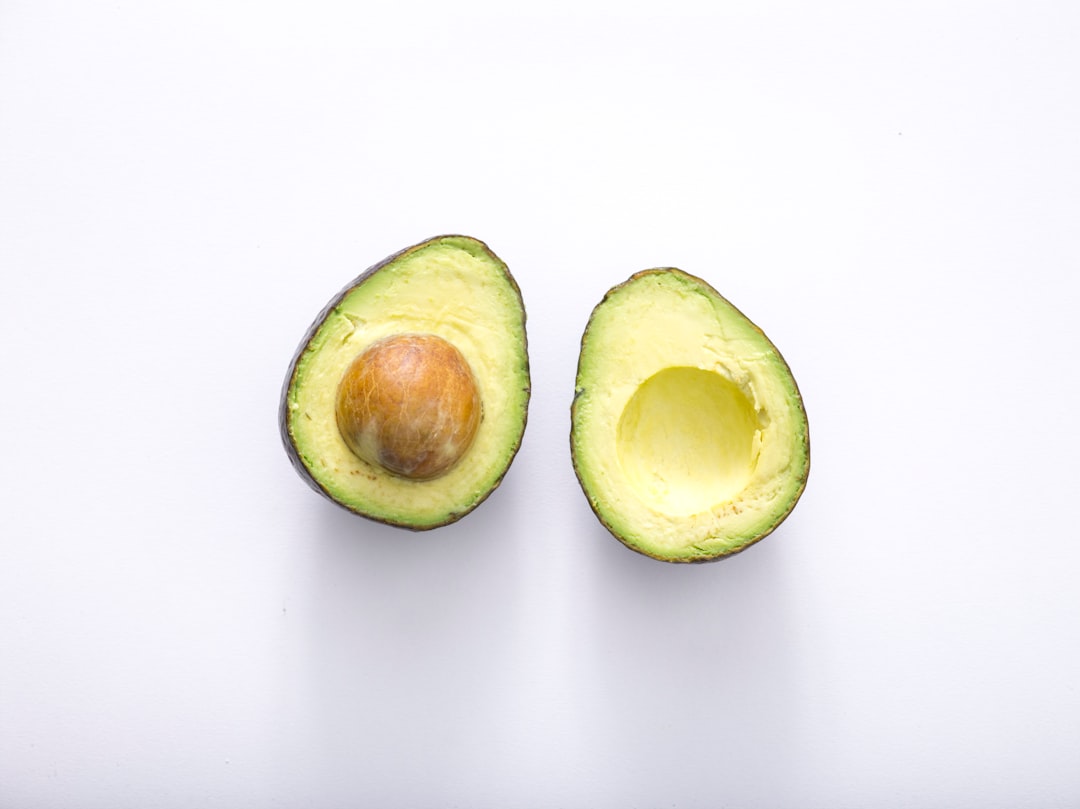
The diets react (see scores below)
Diet Ratings
1 medium avocado (~100g) contains ~2g net carbs and ~21g healthy fat. Ideal keto food: high fat, minimal carbs, nutrient-dense. No portion restrictions.
Whole plant food, naturally vegan, excellent source of healthy fats and nutrients. No animal products or derivatives.
Perfect paleo food. Unprocessed, nutrient-dense, rich in healthy monounsaturated fats, potassium, and fiber. No anti-nutrients. Universally approved across all paleo authorities.
Avocados provide healthy monounsaturated fats similar to olive oil, fiber, and numerous micronutrients. They are strongly aligned with Mediterranean principles of healthy fat sources and plant-based foods.
Plant-derived fruit. Despite high fat content and nutrient density, avocado is excluded from strict carnivore diet as it is a plant product. Some animal-based practitioners may include it, but core carnivore excludes all plant foods.
Whole fruit classified as a natural fat source. Explicitly compliant and encouraged on Whole30.
Monash University rates avocado as low-FODMAP at 1/8 of a medium avocado (30g), but high-FODMAP at larger portions due to polyol content (sorbitol). Portion control is critical during elimination phase.
Some clinical practitioners suggest slightly larger portions (1/6 avocado) may be tolerated, but Monash's conservative 1/8 serving is recommended for strict elimination.
DASH-approved fruit. Excellent source of potassium (more than banana), monounsaturated fats, and fiber. Low sodium. Supports heart health despite higher calorie content.
Ideal monounsaturated fat source for Zone. Minimal net carbs, excellent anti-inflammatory profile. Primary fat block recommendation in Zone Diet.
Emphasized in anti-inflammatory pyramid. High in monounsaturated fats, potassium, and polyphenols. Supports healthy lipid profiles and reduces inflammatory markers. Excellent nutrient density.
High in unsaturated fats and nutrient-dense (potassium, folate, fiber ~7g per 100g), but high calorie density (160 cal per 100g) and high fat content (15g per 100g) may worsen nausea/bloating in some GLP-1 patients. Requires strict portion control.
Some GLP-1 RDs recommend avocado as a nutrient-dense fat source that supports satiety and hormone health; others limit it due to fat-triggered GI distress and calorie density given reduced appetite. Individual tolerance varies significantly.
Nutritional profile
Six traits that cut across every diet.
Fiber & Plants
How much whole-plant food and fiber it delivers.
Healthy Fats
The quality of its fats (unsaturated, omega-3).
Whole / Unprocessed
How close it is to its natural, unprocessed form.
Gut Gentle
How easy it is on digestion (low FODMAP, few irritants).
Low Glycemic
How little it spikes your blood sugar.
Protein Density
How much protein it packs per calorie.
Controversy Index
Score range: 2–10/10. Higher controversy = more disagreement between diets.
Diet-Specific Tips for Avocado
 Keto — 9/10
- 2g net carbs per medium fruit
- High monounsaturated fat
- Potassium and micronutrient rich
- Whole, unprocessed
 Vegan — 9/10
- whole food
- no processing
- high nutritional value
- no animal products
 Paleo — 10/10
- Unprocessed whole food
- Excellent fat profile
- High micronutrient density
- No anti-nutrients
 Mediterranean — 9/10
- Monounsaturated fat source
- High fiber content
- Nutrient-dense
- Whole food form
 Whole30 — 10/10
- Whole fruit
- Natural fat
- No processing
 Low-FODMAP — 5/10
- High polyol content (sorbitol)
- Dose-dependent FODMAP status
- Strict portion limits required
 DASH — 8/10
- Very high potassium
- Heart-healthy monounsaturated fats
- High fiber
- Low sodium
- Calorie-dense
 Zone — 9/10
- Monounsaturated fat dominant
- Minimal net carbs
- Anti-inflammatory
- High fiber
- 1 fat block ≈ 1/3 avocado
 Anti-Inflammatory — 9/10
- Monounsaturated fats
- Polyphenols
- Potassium
- Anti-inflammatory compounds
 GLP-1 Friendly — 5/10
- high unsaturated fat
- high calorie density
- high fiber
- nutrient-dense
- portion-dependent