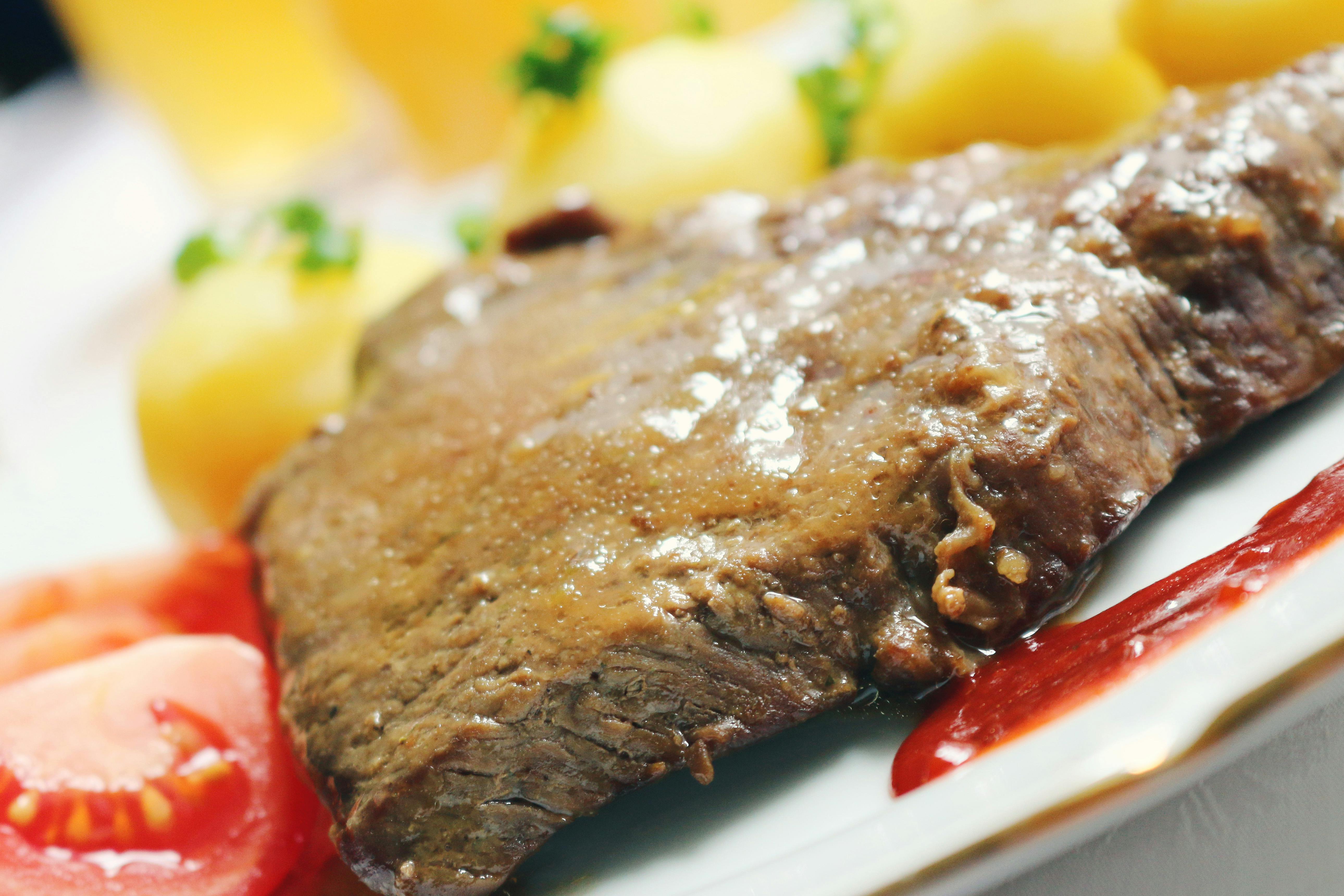
The diets react (see scores below)
Diet Ratings
Beef liver contains ~5g net carbs per 100g (from glycogen), which is manageable but requires portion control. Exceptional micronutrient density (B12, iron, folate) makes it valuable despite carbs.
Strict clinical keto protocols sometimes exclude organ meats due to carbohydrate content and potential insulin response, while mainstream keto practitioners embrace liver in small portions for nutrient density.
Beef liver is organ meat from cattle, explicitly excluded from all vegan diets. It is an animal product with no plant-based alternative consideration.
Beef liver is an unprocessed organ meat with exceptional nutrient density. It is rich in vitamin A, B vitamins, iron, and other micronutrients. Organ meats are highly valued in paleo nutrition.
Beef liver is nutrient-dense, rich in iron, B vitamins, and minerals. While not frequently consumed, organ meats have traditional Mediterranean use and fit within occasional red meat consumption. The nutritional density outweighs moderate saturated fat content when consumed in small portions.
Some modern Mediterranean diet interpretations minimize organ meats due to saturated fat and cholesterol content. However, traditional Mediterranean cuisines valued organ meats for their nutritional density, and contemporary nutritional science supports occasional consumption.
Beef liver is a ruminant organ meat highly valued on carnivore diets for exceptional micronutrient density including vitamin A, B vitamins, iron, and copper. Organ meats are encouraged for nutritional completeness.
Beef liver is unprocessed, whole organ meat with no added ingredients. Organ meats are encouraged on Whole30 for their nutrient density.
Beef liver is an organ meat with no FODMAPs. Monash University confirms all plain organ meats as low-FODMAP at any reasonable serving size.
Excellent source of iron, B vitamins, and minerals aligned with DASH nutrient profile. However, high cholesterol (300mg per 3oz) and moderate sodium concern some clinicians. Nutrient density supports occasional inclusion.
NIH DASH guidelines emphasize nutrient density and mineral content of organ meats; updated clinical interpretation often limits due to cholesterol content and saturated fat concerns in cardiovascular populations.
Beef liver is lean (~3.5g fat per 100g), high protein (~26g per 100g), and nutrient-dense (iron, B vitamins, polyphenols). A 3.5 oz serving provides ~25g protein with ~5g fat, fitting Zone ratios well. Excellent anti-inflammatory choice despite being organ meat.
Exceptional nutrient density with high iron, B vitamins, selenium, and choline. Contains minimal saturated fat relative to muscle meat. Rich in antioxidants and anti-inflammatory compounds. Excellent occasional protein source. Some concern about potential contaminant concentration, but nutritional benefits substantial.
Some practitioners following strict AIP protocols limit organ meats due to potential histamine content and concentrated nutrient load. Conventional nutrition emphasizes benefits. Recommend 1-2 servings monthly rather than weekly.
Beef liver is exceptionally nutrient-dense: high protein (26g per 3.5 oz), very low fat (5g per 3.5 oz), rich in iron, B vitamins, and folate. It is calorie-efficient (175 per 3.5 oz) and supports micronutrient needs during rapid weight loss. The only drawback is strong flavor and texture, which some GLP-1 patients find difficult to tolerate, and it requires careful preparation to avoid overcooking (which worsens digestibility).
Nutritional profile
Six traits that cut across every diet.
Fiber & Plants
How much whole-plant food and fiber it delivers.
Healthy Fats
The quality of its fats (unsaturated, omega-3).
Whole / Unprocessed
How close it is to its natural, unprocessed form.
Gut Gentle
How easy it is on digestion (low FODMAP, few irritants).
Low Glycemic
How little it spikes your blood sugar.
Protein Density
How much protein it packs per calorie.
Controversy Index
Score range: 1–10/10. Higher controversy = more disagreement between diets.
Diet-Specific Tips for Beef liver
 Keto — 5/10
- 5g net carbs per 100g
- Exceptional micronutrient density
- High vitamin A content
- Portion control required
 Paleo — 10/10
- Unprocessed organ meat
- Exceptional nutrient density
- Rich in micronutrients
- High vitamin A content
- Hunter-gatherer food
 Mediterranean — 8/10
- Nutrient-dense
- High in iron and B vitamins
- Traditional Mediterranean food
- Portion control important
 Carnivore — 9/10
- ruminant organ meat
- exceptional micronutrient density
- high in vitamin A and B vitamins
- encouraged for nutritional completeness
 Whole30 — 10/10
- whole meat
- organ meat
- unprocessed
- nutrient-dense
- core compliant food
 Low-FODMAP — 9/10
- Pure protein, no carbohydrates
- No fermentable components
- Safe at any portion
 DASH — 5/10
- Very high in iron and B vitamins
- Rich in minerals
- High cholesterol
- Moderate sodium
- Nutrient-dense but portion-limited
 Zone — 8/10
- Lean protein (26g per 100g)
- Low fat (3.5g per 100g)
- Nutrient-dense (iron, B12, folate)
- Anti-inflammatory polyphenols
 Anti-Inflammatory — 8/10
- exceptional micronutrient density
- low saturated fat
- antioxidant-rich
- choline source
- selenium-rich
- occasional consumption recommended
 GLP-1 Friendly — 8/10
- Exceptional protein density
- Low fat
- Micronutrient-rich (iron, B vitamins, folate)
- Calorie-efficient
- Strong flavor may limit tolerance
- Requires careful preparation
Editor's Picks
As an Amazon Associate, FoodRef.ai earns from qualifying purchases. This does not affect our ratings.