Diet Ratings
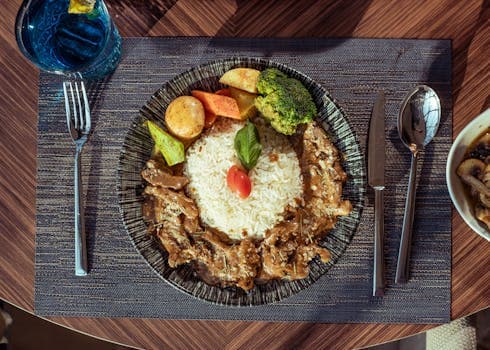
Beef stroganoff made with sour cream, beef, and mushrooms is naturally low-carb (2-4g net carbs per serving). However, it's traditionally served over egg noodles or regular pasta (20-30g carbs per serving). Without the noodles or with zucchini noodles, it's approvable.
Beef stroganoff contains beef as the primary protein and traditionally includes sour cream or cream (dairy). Contains multiple animal products.
Traditional beef stroganoff uses egg noodles (grains) and sour cream (dairy). Both are excluded from paleo diet. Beef and mushrooms are compliant, but preparation violates core rules.
Heavy cream-based sauce with beef contradicts Mediterranean principles. High saturated fat, red meat as primary protein, and minimal plant-based components make this incompatible with the diet's core values.
Beef stroganoff is meat and dairy-based, but traditional recipes include mushrooms, onions, and sometimes Worcestershire sauce with plant additives. Homemade versions using only beef, sour cream, and salt are acceptable; commercial versions problematic.
iStrict practitioners exclude mushrooms (fungal, not animal). Saladino-aligned approach accepts beef and sour cream only. Baker allows if no plant ingredients added.
Traditional beef stroganoff contains sour cream (dairy) and typically egg noodles (grains). Both are excluded from Whole30.
Beef is low-FODMAP, but stroganoff sauce traditionally contains onion, garlic, and mushrooms (polyol-containing). Sour cream is low-FODMAP. FODMAP status depends on whether aromatics are included and cooking method (garlic-infused oil reduces FODMAP load).
iMonash University rates beef and sour cream as low-FODMAP but does not test stroganoff. Clinical practitioners note that traditional recipes with onion/garlic/mushrooms are problematic; modified versions may be acceptable.
Beef stroganoff combines high-saturated-fat beef with sour cream and often egg noodles. Typically high in sodium, saturated fat, and cholesterol. Red meat and full-fat dairy conflict with DASH dietary goals.
High saturated fat from sour cream and beef; carbs from noodles often excessive. Requires significant modification: egg noodles to whole grain, reduce cream, increase vegetable content. Workable but demands careful construction.
Red meat is pro-inflammatory due to high saturated fat and arachidonic acid. Stroganoff typically uses heavy cream and sour cream, adding saturated fat. Often made with refined noodles. Multiple inflammatory components.
Typically made with sour cream or heavy cream, resulting in high saturated fat. Egg noodles add refined carbs and low fiber. Heavy, rich sauce is difficult to digest with GLP-1 slowed gastric emptying. Nausea and bloating risk is high.
Controversy Index
Score range: 1–6/10. Higher controversy = more disagreement between diets.