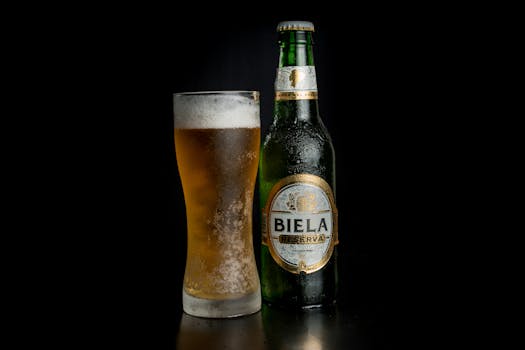
The diets react (see scores below)
Diet Ratings
Standard beer contains 10-15g net carbs per 12oz serving due to residual sugars and grain content. This consumes a significant portion of daily carb allowance and is generally incompatible with strict keto.
Many beers use animal-derived fining agents (isinglass from fish bladder, gelatin). However, many breweries produce vegan beer. Verification needed.
Some vegans accept most beer without verification, arguing fining agents are filtered out and not present in consumed product.
Beer is made from grains (barley, wheat, hops). Grains are explicitly excluded from paleo diet. Contains gluten and anti-nutrients. Alcohol + grain combination violates paleo principles.
Beer is consumed in Mediterranean regions but less emphasized than wine. Contains some B vitamins and minerals, but also carbohydrates and calories. Acceptable in moderation but not a core component. Some Mediterranean traditions include beer consumption.
In certain Mediterranean regions (particularly Spain and Portugal), beer is a traditional beverage consumed regularly with meals, making it more acceptable than wine-centric views suggest.
Beer is plant-derived (grains, hops) and contains residual carbohydrates. While fermentation reduces some plant compounds, the grain base and hop additions violate carnivore principles. Higher carbohydrate content than wine makes it less compatible.
Beer is made from grains (barley, wheat), which are explicitly excluded from Whole30. The fermentation process does not remove the grain exclusion.
Beer (standard lager/pilsner) is low-FODMAP at typical serving sizes (375 mL). Monash confirms beer is suitable. Fermentation and brewing process reduces fermentable carbohydrates.
Contains sodium (10-20mg per 12oz) and alcohol. Excessive consumption raises blood pressure. Moderate consumption (1 per day for women, 2 for men) may be acceptable, but DASH does not explicitly endorse alcohol.
NIH DASH guidelines do not address beer. Some clinical evidence suggests moderate beer consumption does not worsen hypertension, but excess clearly does.
12oz beer ≈ 12g carbs (mostly from grain), minimal protein/fat. Higher glycemic load than wine. Alcohol displaces other foods. Usable in strict portions but less favorable than wine due to carb density.
Beer contains some polyphenols and B vitamins but is higher in inflammatory omega-6 polyunsaturated fats and carbohydrates. Less anti-inflammatory than red wine; acceptable in strict moderation but not emphasized.
Some research suggests moderate beer consumption may have modest anti-inflammatory benefits from hops and barley polyphenols. However, Weil's framework prioritizes red wine over other alcohols due to superior polyphenol profile.
carbonation causes bloating, high empty calories (150 cal/12oz), and dehydration.
Nutritional profile
Six traits that cut across every diet.
Fiber & Plants
How much whole-plant food and fiber it delivers.
Healthy Fats
The quality of its fats (unsaturated, omega-3).
Whole / Unprocessed
How close it is to its natural, unprocessed form.
Gut Gentle
How easy it is on digestion (low FODMAP, few irritants).
Low Glycemic
How little it spikes your blood sugar.
Protein Density
How much protein it packs per calorie.
Controversy Index
Score range: 1–8/10. Higher controversy = more disagreement between diets.
Diet-Specific Tips for Beer
 Vegan — 6/10
- Often uses isinglass or gelatin
- Many vegan-certified options exist
- Fining agents typically removed
- Requires brand verification
 Mediterranean — 5/10
- Less emphasized than wine
- Contains carbohydrates
- Some micronutrient content
- Regional variation in tradition
 Low-FODMAP — 8/10
- Fermentation reduces FODMAP content
- Standard serving (375 mL) is low-FODMAP
- Avoid high-fructose or fruit beers
 DASH — 4/10
- 10-20mg sodium per 12oz
- Alcohol content
- Moderation essential
- No explicit DASH guidance
 Zone — 4/10
- Higher carb density than wine
- Grain-based carbs
- Alcohol metabolism
- Portion-critical
 Anti-Inflammatory — 5/10
- Modest polyphenol content
- Higher carbohydrate load
- Omega-6 fatty acids
- Alcohol content
- Inferior to red wine