How the diets react
Diet Ratings
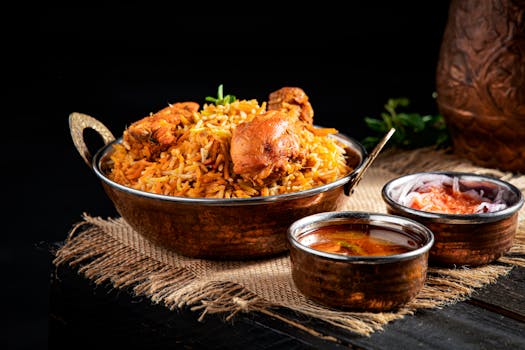
Chicken biryani is rice-based with 40-60g net carbs per serving. Rice is a grain staple incompatible with keto. Even small portions exceed daily carb limits.
Contains chicken, a poultry product. Primary ingredient is animal flesh, making this non-vegan regardless of other plant-based components.
Biryani is rice-based (grain), contains legumes (lentils, chickpeas), and uses seed oils. Multiple fundamental paleo violations despite chicken being acceptable.
Contains chicken (acceptable) and some vegetables, but typically high in refined carbohydrates, added fats, and sodium. Preparation uses ghee or oil rather than olive oil.
Some Mediterranean diet flexibility advocates accept biryani as a cultural dish if modified with reduced ghee, olive oil substitution, and increased vegetable content.
Biryani is a rice-based dish with chicken, but the primary component is rice (grain). Additional ingredients include onions, garlic, spices, and other plant-based components. While chicken is acceptable, the overall dish is fundamentally plant-based and grain-heavy.
Biryani is rice-based (grain, excluded). Contains dairy (yogurt in marinade) and often includes legumes. Multiple core violations.
Chicken biryani contains rice (low-FODMAP base) but is prepared with onions, garlic, and spices in high concentrations. Traditional recipe includes fried onions, garlic paste, and ginger. Cumulative FODMAP load from aromatics and spice paste exceeds limits at any standard serving.
High in saturated fat (ghee, coconut oil), high sodium (salt, spices), high added sugar. Refined rice base. Calorie-dense. Tropical oils contradict DASH guidelines.
Biryani is rice-based (high-glycemic refined carbohydrate), cooked in ghee (saturated fat), and contains added sugars. Carb-to-protein ratio is severely unfavorable. Even with chicken protein, the carb load and fat quality make it incompatible with Zone principles.
Contains lean chicken (positive) and anti-inflammatory spices (turmeric, ginger, cinnamon, cardamom). However, traditionally prepared with ghee or oil (saturated fat), white rice (refined carbohydrate), and high sodium. Spice benefits offset by cooking fat and refined carbs. Preparation method critical.
Some emphasize the substantial spice content and whole food base. Others prioritize ghee's saturated fat and white rice's inflammatory carbohydrates.
High in fat (ghee, oil, nuts), high in sodium, and high in refined carbohydrates (rice). While chicken provides protein, the overall fat and calorie density is very high. Spices may trigger reflux/nausea. Difficult to digest due to fat and spice combination. Poor nutrient density per calorie.
Controversy Index
Score range: 1–5/10. Higher controversy = more disagreement between diets.