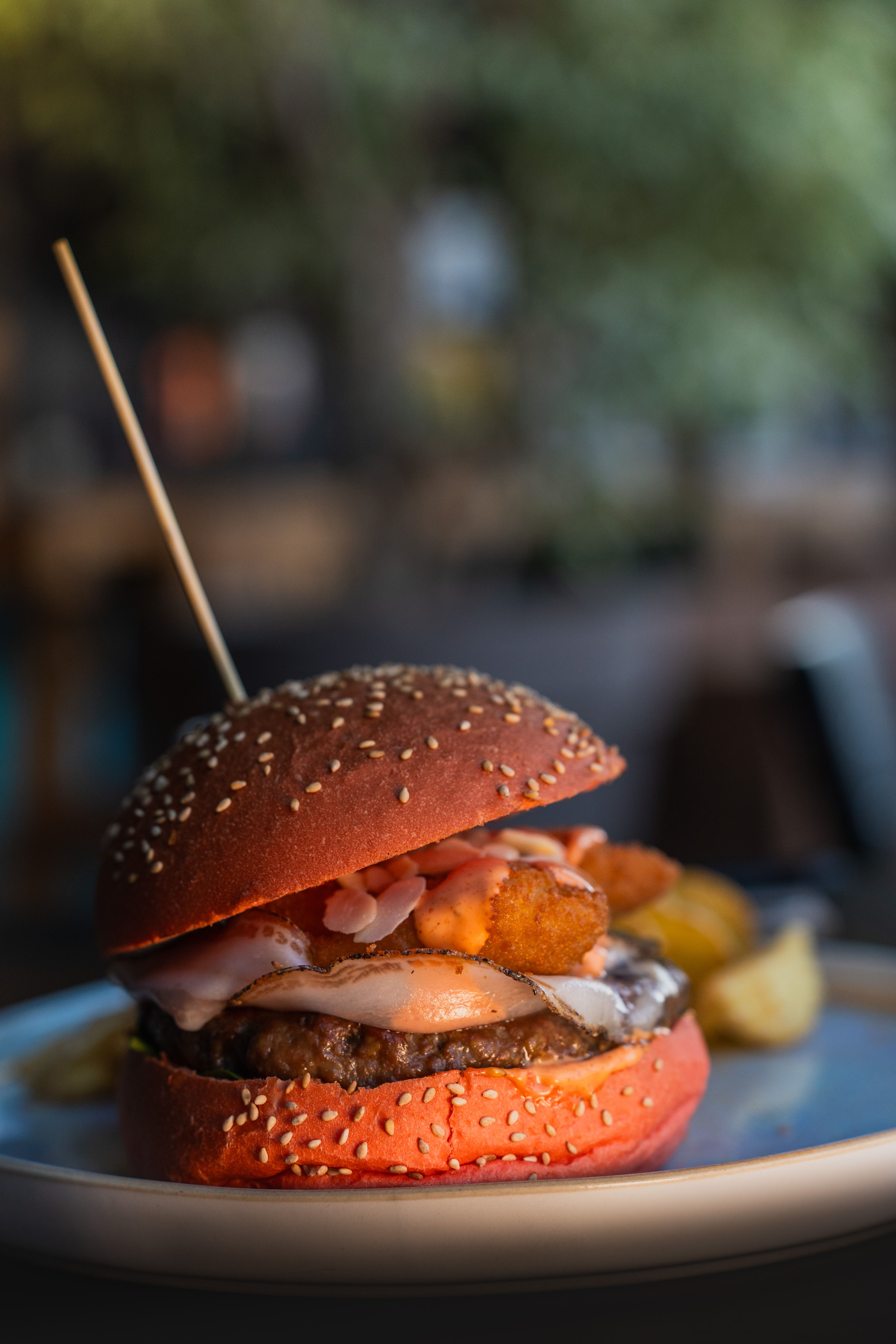
The diets react (see scores below)
Diet Ratings
Black beans are legumes with 8-10g net carbs per 100g. A burger patty would contain 15-20g+ net carbs, far exceeding daily keto limits. Completely incompatible with ketogenic diet.
Whole-food legume base with minimal processing. High in protein, fiber, and nutrients. Fully plant-based. Homemade versions score highest; store-bought acceptable if minimal additives.
Made from black beans, which are legumes explicitly excluded from paleo diet. Additionally processed with binders and additives. Violates core paleo principle excluding legumes.
Contains legumes (black beans) which are Mediterranean-approved, but burger format implies processing and added binders. Acceptable occasionally if minimally processed, but whole beans or bean-based dishes preferred.
Some Mediterranean practitioners view bean burgers as practical, whole-food-based alternatives that honor legume consumption principles, especially for plant-forward meals.
Burger made from black beans (legumes) and plant ingredients. Plant-derived and violates carnivore exclusion of all plant foods and legumes.
Black beans are legumes, which are excluded on Whole30. Additionally, black bean burgers are processed foods designed to recreate burger patties. Doubly non-compliant with the program.
Black beans are high in GOS (galacto-oligosaccharides). Monash confirms legumes are high-FODMAP. Burgers typically also contain garlic, onion, and wheat binders. No reasonable serving size is low-FODMAP.
Black bean burgers (homemade or low-sodium versions) are excellent DASH foods: high in plant-based protein, fiber, potassium, and magnesium. Low sodium when prepared without added salt. Supports legume intake goals.
Legume-based with moderate protein (8-10g) but high carbs (15-20g per patty). Carb-heavy for Zone. Binders and additives common. Can fit in Zone if paired with fat and low-carb vegetables, but requires careful portioning and meal design.
Black beans are excellent anti-inflammatory legumes with fiber, polyphenols, and resistant starch. However, commercial patties often contain refined oils, binders, and additives. Homemade versions with minimal processing are approvable; store-bought versions are caution-level due to processing and added oils.
Some nutritionists view commercial black bean burgers as acceptable convenience foods; however, anti-inflammatory experts prefer whole beans or minimally-processed homemade patties to avoid refined oils and additives.
Black bean burgers provide 8-12g protein, 4-6g fiber, and are low in fat (2-4g) when not fried. Nutrient-dense, easy to digest, and work well in small portions. Excellent plant-based protein source that supports both protein and fiber targets.
Nutritional profile
Six traits that cut across every diet.
Fiber & Plants
How much whole-plant food and fiber it delivers.
Healthy Fats
The quality of its fats (unsaturated, omega-3).
Whole / Unprocessed
How close it is to its natural, unprocessed form.
Gut Gentle
How easy it is on digestion (low FODMAP, few irritants).
Low Glycemic
How little it spikes your blood sugar.
Protein Density
How much protein it packs per calorie.
Controversy Index
Score range: 1–8/10. Higher controversy = more disagreement between diets.
Diet-Specific Tips for Black bean burger
 Vegan — 8/10
- Legume-based
- High protein and fiber
- Whole-food ingredient
- Minimal processing (homemade)
- Nutrient-dense
 Mediterranean — 5/10
- Legume-based (positive)
- Processed format
- Binders and additives likely
- Portion control important
 DASH — 8/10
- High plant-based protein and fiber
- Rich in potassium and magnesium
- Low sodium (when prepared properly)
- Whole-food legume base
 Zone — 5/10
- High carb content
- Moderate protein
- Processed with binders
- Requires careful pairing
- Legume-based
 Anti-Inflammatory — 6/10
- black beans are anti-inflammatory
- commercial versions processed
- refined oils often present
- binders and additives
- homemade versions preferable
 GLP-1 Friendly — 8/10
- High protein
- High fiber
- Low fat
- Nutrient-dense
- Easy to digest
- Portion-friendly