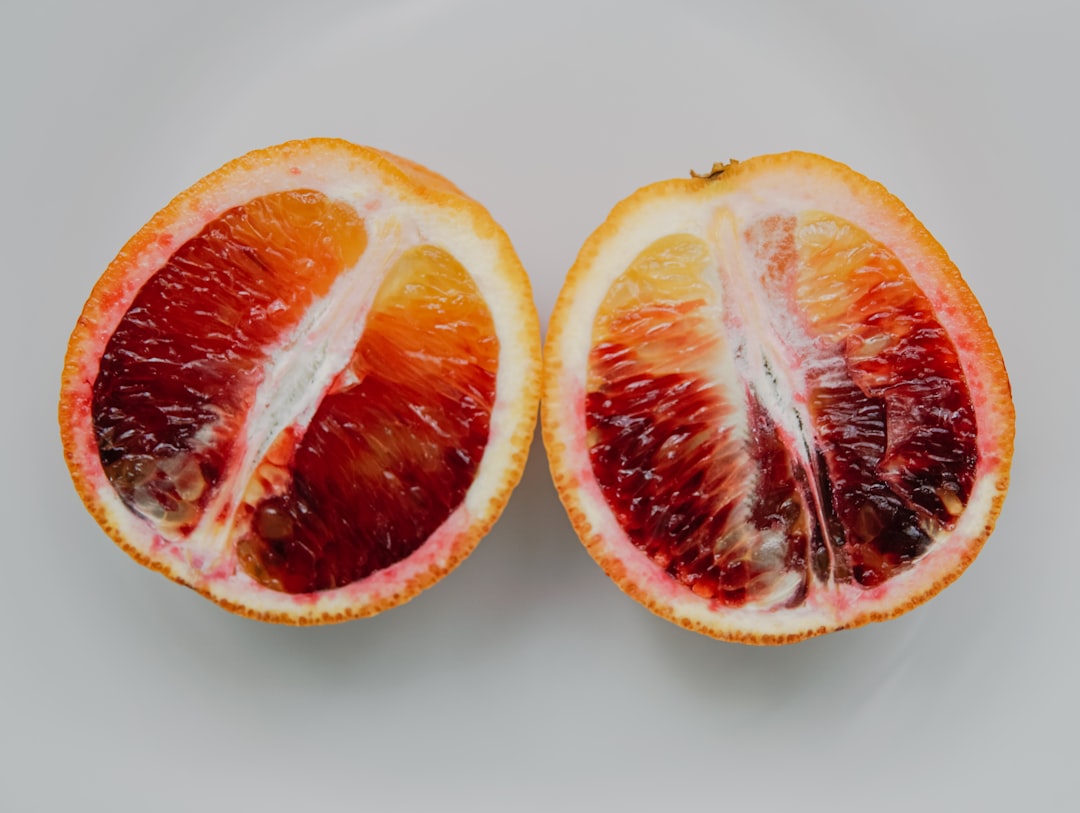
The diets react (see scores below)
Diet Ratings
Blood oranges contain ~9g net carbs per 100g. A medium fruit (150g) provides 13-14g net carbs, exceeding safe limits. Incompatible with keto.
Whole plant food with no processing. Excellent source of vitamin C, fiber, and antioxidants. Fully compliant with vegan diet and whole-food principles.
Whole fruit, unprocessed, nutrient-dense, available to Paleolithic humans. Natural sugars present but acceptable in paleo diet. No processing or additives.
Whole fruit, excellent source of vitamin C, fiber, and antioxidants. Citrus fruits are Mediterranean staples. Natural sugars with fiber intact. Versatile for eating fresh or in dishes.
Fruit, plant-derived. All fruits are excluded from carnivore diet. No animal products present. Even though Paul Saladino's 'animal-based' approach includes some fruits, strict carnivore excludes all plant foods including fruit.
Blood oranges are whole fruits with no excluded ingredients. Fully compliant and encouraged on Whole30.
Blood oranges are moderate in fructose. Monash rates oranges as low-FODMAP at 1 medium fruit (150 g); larger portions exceed thresholds. Fructose-to-glucose ratio is less favorable than some citrus.
Monash University approves 1 medium orange (150 g); some practitioners note that blood oranges may have slightly higher fructose than standard oranges, though Monash data is limited for this specific variety.
Whole fruit, excellent source of vitamin C, potassium, fiber, and anthocyanins. Minimal sodium, naturally sweet. Core DASH fruit.
Moderate glycemic fruit (~12g net carbs per medium orange). Higher natural sugar than some alternatives but lower than banana/mango. Excellent polyphenol profile (anthocyanins). Usable within 2 fruit servings/day but requires pairing with protein/fat. Better than high-glycemic fruits but not ideal.
Citrus fruit rich in vitamin C, anthocyanins (from red pigment), and polyphenols. Anti-inflammatory antioxidants and immune support. Whole fruit provides fiber. Moderate glycemic impact when consumed whole.
High water content (~87%), moderate fiber (~2.4g per medium fruit), low fat, nutrient-dense (vitamin C, antioxidants). ~70 cal per medium fruit with natural sugars. Works well in small portions. Supports hydration (important on GLP-1) and provides micronutrients. Whole fruit preferred over juice to retain fiber.
Nutritional profile
Six traits that cut across every diet.
Fiber & Plants
How much whole-plant food and fiber it delivers.
Healthy Fats
The quality of its fats (unsaturated, omega-3).
Whole / Unprocessed
How close it is to its natural, unprocessed form.
Gut Gentle
How easy it is on digestion (low FODMAP, few irritants).
Low Glycemic
How little it spikes your blood sugar.
Protein Density
How much protein it packs per calorie.
Controversy Index
Score range: 1–10/10. Higher controversy = more disagreement between diets.
Diet-Specific Tips for Blood orange
 Vegan — 10/10
- Whole plant food
- High in vitamin C and antioxidants
- No processing or animal products
- Sustainable fruit
 Paleo — 8/10
- Whole fruit
- Natural sugars
- Nutrient-dense
- No additives
 Mediterranean — 9/10
- Whole plant food
- High vitamin C and antioxidants
- Traditional Mediterranean fruit
- Natural fiber content
 Whole30 — 9/10
- Whole fruit
- No excluded ingredients
- Natural sugars acceptable
 Low-FODMAP — 5/10
- fructose content
- portion limit (1 medium fruit/150 g)
- fructose-to-glucose ratio
 DASH — 9/10
- High vitamin C
- Good potassium content
- Fiber-rich
- Antioxidant-rich
 Zone — 6/10
- moderate glycemic index
- natural sugars
- high polyphenol content
- anthocyanins (anti-inflammatory)
- portion-limited to 2 servings/day
 Anti-Inflammatory — 8/10
- anthocyanins
- vitamin C
- polyphenols
- antioxidants
- fiber (whole fruit)
- moderate glycemic index
 GLP-1 Friendly — 7/10
- high water content
- good fiber content
- nutrient-dense
- supports hydration
- natural sugars acceptable in small portions