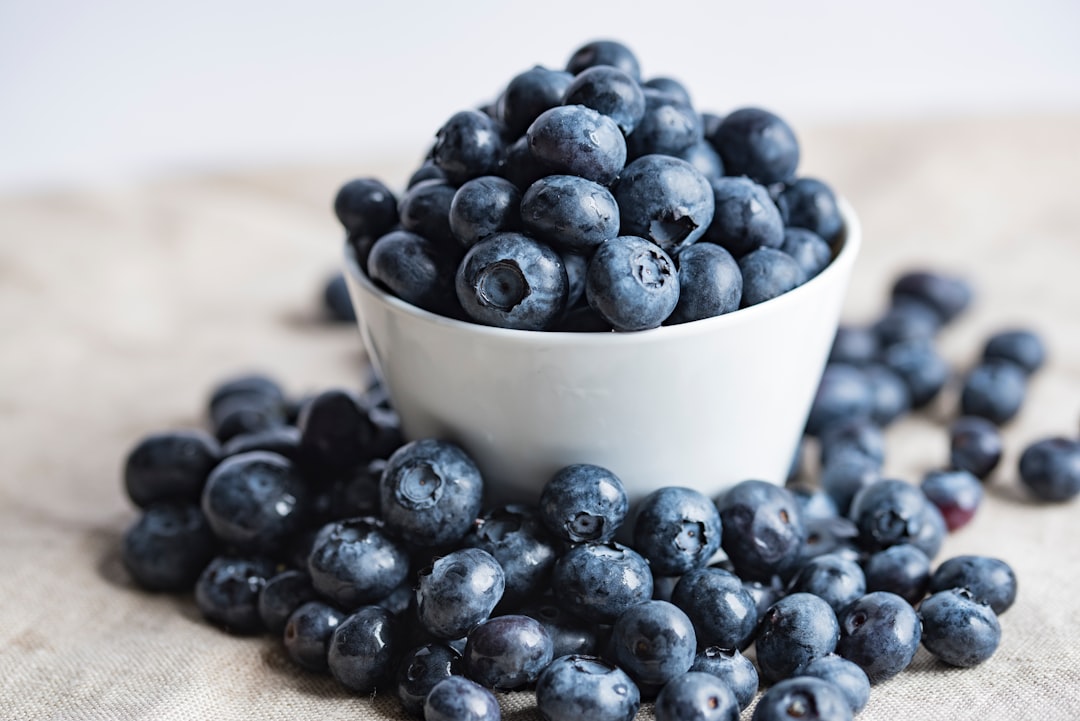
The diets react (see scores below)
Diet Ratings
1 cup (148g) contains ~21g net carbs, which consumes most or all of daily carb allowance. Small portions (¼ cup) are manageable but require strict tracking.
Whole plant food, naturally vegan, nutrient-dense with antioxidants. No processing or animal-derived ingredients.
Wild berries were a staple of Paleolithic diets. Blueberries are unprocessed, nutrient-dense, low in sugar relative to other fruits, and rich in antioxidants. No anti-nutrients or problematic compounds.
Blueberries are nutrient-dense fruits rich in antioxidants, fiber, and polyphenols. They align perfectly with Mediterranean diet emphasis on plant-based whole foods and are consumed regularly in Mediterranean regions.
Plant-derived fruit containing carbohydrates and plant compounds. Carnivore diet excludes all fruits as they are plant foods incompatible with the animal-only protocol.
Whole fruit with no added ingredients. Explicitly compliant as a natural fruit allowed on Whole30.
Monash University has tested blueberries and rated them as low-FODMAP at a standard serving of 1 cup (150g). They are low in fructans, GOS, lactose, and polyols.
Excellent DASH food. Low sodium, high in fiber, potassium, and antioxidants. Rich in anthocyanins which support cardiovascular health. Minimal added sugars in fresh form.
Low-glycemic fruit with high polyphenol content and antioxidants. Moderate natural sugar relative to fiber. One of Dr. Sears' recommended fruits for Zone compliance.
Exceptionally high in anthocyanins and polyphenols with strong antioxidant and anti-inflammatory properties. Extensively researched for reducing inflammatory markers and supporting cognitive health.
High fiber (3.6g per 100g), low glycemic index, nutrient-dense antioxidants, easy to digest, work well in small portions. Excellent for GLP-1 patients seeking satiety without high volume.
Nutritional profile
Six traits that cut across every diet.
Fiber & Plants
How much whole-plant food and fiber it delivers.
Healthy Fats
The quality of its fats (unsaturated, omega-3).
Whole / Unprocessed
How close it is to its natural, unprocessed form.
Gut Gentle
How easy it is on digestion (low FODMAP, few irritants).
Low Glycemic
How little it spikes your blood sugar.
Protein Density
How much protein it packs per calorie.
Controversy Index
Score range: 2–10/10. Higher controversy = more disagreement between diets.
Diet-Specific Tips for Blueberries
 Keto — 5/10
- 21g net carbs per cup
- Higher carb density than other berries
- Portion control essential
- Antioxidant benefits
 Vegan — 9/10
- whole food
- no processing
- high nutritional value
- no animal products
 Paleo — 9/10
- Unprocessed whole food
- Low glycemic impact
- High antioxidant content
- Available to hunter-gatherers
 Mediterranean — 9/10
- High antioxidant content
- Excellent fiber source
- Minimal processing required
- Low glycemic index
 Whole30 — 10/10
- Whole fruit
- No added sugar
- No processing
 Low-FODMAP — 8/10
- Low fructan content
- Low polyol content
- Standard serving well-tolerated
 DASH — 9/10
- Low sodium
- High fiber
- High potassium
- Antioxidant-rich
- Supports blood pressure control
 Zone — 8/10
- Low glycemic index
- High polyphenol content
- Antioxidant-rich
- Moderate fiber
- 1 serving ≈ 3/4 cup
 Anti-Inflammatory — 9/10
- High anthocyanin content
- Powerful antioxidants
- Low glycemic index
- Polyphenol-rich
 GLP-1 Friendly — 8/10
- high fiber
- low glycemic index
- nutrient-dense
- portion-friendly
- antioxidants