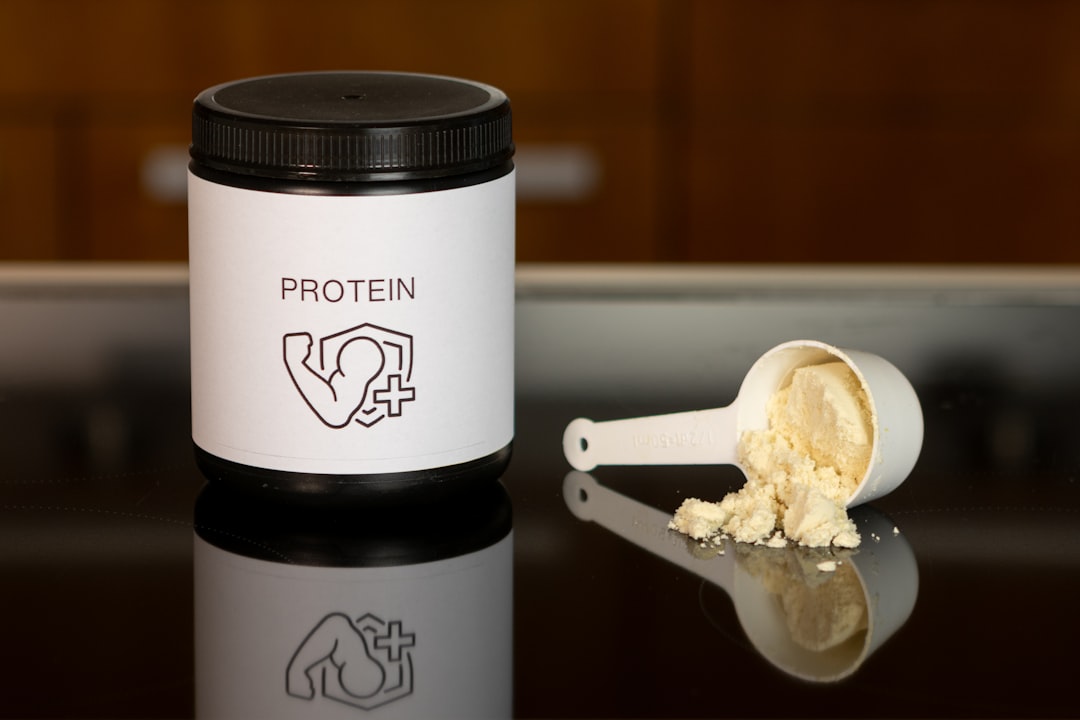
Bone broth protein powder
Rated by 11 diets
The diets react (see scores below)
Diet Ratings
Minimal carbs (typically 1-2g per serving), high collagen-based protein, supports satiety and joint health. Clean ingredient profile aligns with keto principles.
Bone broth is made by simmering animal bones, making it an animal-derived product. The protein powder retains this animal origin.
Bone broth itself is paleo-approved, but powdered forms involve processing and may contain additives, binders, or fillers. Quality varies significantly by brand. If unflavored with no additives, closer to approve; most commercial versions warrant caution.
Some paleo practitioners accept high-quality bone broth protein powders with minimal processing and no additives as equivalent to homemade bone broth, particularly those from reputable paleo brands.
Bone broth itself has some traditional use in Mediterranean cooking, but the powdered supplement form is highly processed and concentrated. The Mediterranean diet prefers whole foods and traditional broths made fresh.
Some modern Mediterranean diet interpretations accept bone broth powder as a convenient protein source, particularly for those following paleo-Mediterranean hybrid approaches.
Bone broth is universally approved in carnivore diet. Protein powder form is a processed derivative but retains animal-only sourcing. Provides collagen, amino acids, and minerals. No plant additives if pure.
Bone broth itself is compliant, but protein powders are processed supplements. If unflavored with no additives, technically compliant, but represents a processed convenience food that may conflict with Whole30's whole-food philosophy.
Melissa Urban emphasizes whole foods over supplements. While bone broth protein powder contains no excluded ingredients, some interpret the spirit of Whole30 as preferring whole bone broth over powdered versions.
Bone broth protein powder is primarily collagen-derived protein with minimal carbohydrates. Monash confirms gelatin and collagen hydrolysate are low-FODMAP. Most commercial products contain negligible FODMAPs.
Provides protein and collagen but often high in sodium (300-500mg per serving). Processing removes whole-food benefits. Nutrient density lower than whole bone broth or lean protein sources. Sodium content varies significantly by brand.
NIH DASH guidelines do not explicitly address bone broth; updated clinical interpretation views it as acceptable if sodium <300mg/serving, but whole protein sources remain preferred.
Provides lean protein (~20g per serving) with minimal carbs. However, processing and added ingredients vary widely. Some brands contain added sugars or fillers. Requires label verification for carb content and ingredient quality.
Dr. Sears emphasizes whole food protein sources. Bone broth powder is processed; whole bone broth is preferred if carb-controlled.
Contains collagen and amino acids that may support gut health, but processing and additives vary widely. Whole bone broth is preferred in anti-inflammatory protocols. Protein content is moderate and some products contain added sugars or inflammatory oils.
Paleo and functional medicine practitioners (including some aligned with Weil's principles) view bone broth as anti-inflammatory due to collagen, gelatin, and amino acid profile. However, processed powders lose some benefits of whole broth.
High protein density (15-25g per serving), collagen-based protein supports gut health and joint integrity during rapid weight loss. Low fat, easy to digest, mixes well into soups or warm beverages. Minimal additives in quality versions. Supports the critical protein priority for GLP-1 patients.
Nutritional profile
Six traits that cut across every diet.
Fiber & Plants
How much whole-plant food and fiber it delivers.
Healthy Fats
The quality of its fats (unsaturated, omega-3).
Whole / Unprocessed
How close it is to its natural, unprocessed form.
Gut Gentle
How easy it is on digestion (low FODMAP, few irritants).
Low Glycemic
How little it spikes your blood sugar.
Protein Density
How much protein it packs per calorie.
Controversy Index
Score range: 1–9/10. Higher controversy = more disagreement between diets.
Diet-Specific Tips for Bone broth protein powder
 Keto — 8/10
- 1-2g net carbs per serving
- High protein content
- Collagen and amino acid profile
- Minimal additives in quality brands
 Paleo — 6/10
- Processing level
- Additive content (check label for gums, fillers)
- Source quality (grass-fed bones preferred)
 Mediterranean — 5/10
- Highly processed
- Concentrated protein isolate
- Traditional broth acceptable
- Supplement form contradicts principles
 Carnivore — 9/10
- Animal-derived collagen and amino acids
- Bone broth base universally accepted
- Minimal processing if unflavored
- Check for added ingredients
 Whole30 — 6/10
- Processed supplement form
- No excluded ingredients if unflavored
- Convenience vs. whole food intent
 Low-FODMAP — 8/10
- Collagen-based protein
- Minimal carbohydrate content
- No added FODMAP ingredients typical
 DASH — 5/10
- high sodium content
- processed form
- protein content variable
- collagen bioavailability unclear
 Zone — 6/10
- Protein content variable
- Processing concerns
- Added ingredients vary
- Label-dependent quality
 Anti-Inflammatory — 5/10
- Processing reduces some bioactive compounds
- Additive quality varies by brand
- Collagen may support gut barrier
- Often contains added sugars or thickeners
 GLP-1 Friendly — 8/10
- high protein density
- collagen supports gut health
- low fat
- easy to digest
- minimal additives in quality versions