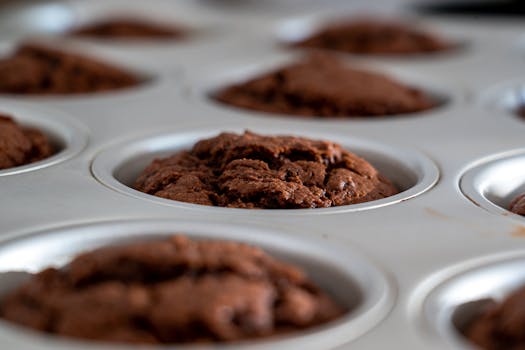
The diets react (see scores below)
Diet Ratings
Grain-based (wheat bran) with added sugars. Typically 25-35g net carbs per muffin. Incompatible with ketosis despite 'healthy' marketing.
Most bran muffins contain eggs, milk, and butter. However, vegan versions using plant milk, oil, and egg replacers exist. Standard bakery versions are non-vegan.
Vegan bran muffins are widely available and fully compliant, making this product category recipe-dependent.
Bran muffins are made from wheat flour and bran (grains), contain refined sugar, dairy (butter/milk), and are processed baked goods. They directly violate core paleo principles.
Whole grain bran is beneficial, but commercial muffins often contain added sugars, refined flour, and poor-quality oils. Fiber content is positive, but overall sugar and processing levels are problematic. Homemade versions would be preferable.
Bran is grain-derived plant fiber. Muffin contains grain flour, refined sugar, and plant-based ingredients. Clear violation of carnivore diet.
Bran muffins contain grains (wheat bran), added sugar, and dairy (milk/butter). They explicitly violate the 'no recreating baked goods' rule.
Bran muffins are high in wheat bran (fructans) and wheat flour. Monash University rates wheat bran as high-FODMAP due to concentrated fructan content. No safe serving size in elimination phase.
Bran provides fiber and whole grains (positive), but commercial versions often high in added sugar, saturated fat, and sodium. Homemade with minimal sugar preferred. Check label.
NIH DASH guidelines support whole grain bran; however, commercial muffins often contain 15-25g added sugar and 300-400mg sodium per muffin, undermining health benefits. Homemade versions with reduced sugar align better.
Bran provides fiber, reducing net carbs. However, commercial muffins contain added sugars and saturated fat (oil/butter). Macro balance depends on formulation. Homemade versions with egg whites and minimal sugar can work; store-bought typically too high in sugar.
Bran provides fiber and some antioxidants, but commercial muffins are typically high in added sugars, refined flour, and saturated fat. Homemade versions with minimal sugar are significantly better.
Good fiber content supports digestion and prevents constipation. However, typically high sugar and fat, minimal protein. Better than refined muffins but still calorie-dense. Works best as occasional breakfast with added protein source.
Nutritional profile
Six traits that cut across every diet.
Fiber & Plants
How much whole-plant food and fiber it delivers.
Healthy Fats
The quality of its fats (unsaturated, omega-3).
Whole / Unprocessed
How close it is to its natural, unprocessed form.
Gut Gentle
How easy it is on digestion (low FODMAP, few irritants).
Low Glycemic
How little it spikes your blood sugar.
Protein Density
How much protein it packs per calorie.
Controversy Index
Score range: 1–6/10. Higher controversy = more disagreement between diets.
Diet-Specific Tips for Bran muffin
 Vegan — 4/10
- Eggs typical
- Dairy milk likely
- Butter common
- Vegan alternatives available
- Recipe-dependent
 Mediterranean — 5/10
- whole grain positive
- high added sugar
- often refined flour mixed in
- portion control needed
 DASH — 5/10
- Whole grain bran (positive)
- Often high added sugar
- Often high sodium
- Saturated fat from oil/butter
 Zone — 5/10
- Fiber content reduces net carbs
- Often high in added sugars
- Saturated fat from baking
- Minimal protein
 Anti-Inflammatory — 6/10
- Bran provides insoluble fiber
- Often high in added sugars
- Refined flour base in commercial versions
- Saturated fat from butter or oils
- Homemade versions can be much better
 GLP-1 Friendly — 5/10
- high fiber
- high sugar
- moderate fat
- minimal protein
- calorie-dense
- better with protein pairing