The diets react (see scores below)
Diet Ratings
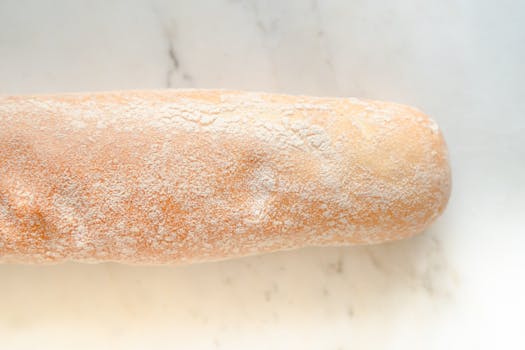
Ciabatta bread contains approximately 35-40g net carbs per 100g slice. Refined wheat flour product with minimal fiber; completely incompatible with ketogenic requirements.
Typically made from flour, water, yeast, salt, and oil—all plant-based. However, some commercial ciabatta may contain milk, eggs, or other animal products. Label verification required.
Vegan ciabatta made without animal products is fully approvable (score 9), but many commercial versions contain dairy or eggs.
Wheat-based bread with processed ingredients, yeast, and additives. Grains are explicitly excluded from paleo diet.
Traditional ciabatta is made from refined white flour, though it is a Mediterranean bread. Acceptable occasionally, but whole grain versions are preferred. Should not be a daily staple.
Wheat-based bread is plant-derived with high carbohydrate content. Explicitly excluded from carnivore protocol.
Ciabatta is wheat bread, which contains grains (explicitly excluded). Bread is also prohibited under the 'no recreating baked goods' rule.
Ciabatta is made from wheat flour, which is high in fructans. Monash University rates wheat-based breads as high-FODMAP during elimination phase.
Ciabatta is refined white bread with minimal fiber, high glycemic index, and often elevated sodium (200-300mg per slice). Does not meet DASH whole grain requirements. Whole grain breads strongly preferred.
Ciabatta is a refined white bread with high glycemic index and minimal fiber. One slice (~100g) contains ~35-40g carbs with <2g fiber. Zone protocol explicitly avoids white bread and refined grains. Ciabatta's light, airy texture indicates low fiber and high glycemic load.
Refined wheat flour, high glycemic index, minimal fiber. No whole grains or anti-inflammatory compounds. Promotes blood sugar spikes and inflammatory cascade.
Ciabatta is refined white bread with minimal nutritional value. High calorie density (275 cal per 100g slice), low fiber (1-2g per slice), low protein (8g per slice), and refined carbs (48g per slice). Rapidly digested, causing blood sugar spikes. GLP-1 patients have severely reduced appetite — ciabatta provides empty calories. High fat content (3-4g per slice) may worsen nausea and bloating. Avoid; substitute with sprouted or whole grain alternatives if bread is necessary.
Nutritional profile
Six traits that cut across every diet.
Fiber & Plants
How much whole-plant food and fiber it delivers.
Healthy Fats
The quality of its fats (unsaturated, omega-3).
Whole / Unprocessed
How close it is to its natural, unprocessed form.
Gut Gentle
How easy it is on digestion (low FODMAP, few irritants).
Low Glycemic
How little it spikes your blood sugar.
Protein Density
How much protein it packs per calorie.
Controversy Index
Score range: 1–6/10. Higher controversy = more disagreement between diets.
Diet-Specific Tips for Bread (ciabatta)
 Vegan — 6/10
- often contains dairy or eggs
- label verification required
- vegan versions available
 Mediterranean — 5/10
- refined grain
- traditional Mediterranean bread
- moderate glycemic impact
- whole grain alternatives preferred