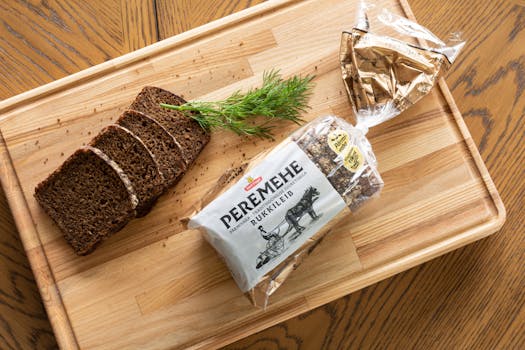
The diets react (see scores below)
Diet Ratings
Pumpernickel is a grain-based bread with approximately 12-15g net carbs per slice. Even darker rye breads contain significant carbohydrates that will disrupt ketosis.
Pumpernickel is typically made from rye flour, water, and salt. Most commercial versions are plant-based, though some may contain trace animal products in processing aids. Check ingredient list for honey or dairy.
Pumpernickel is a grain-based bread made from rye flour, which is explicitly excluded from the paleo diet. Grains contain anti-nutrients, lectins, and phytic acid that contradict paleo principles.
Pumpernickel is a whole grain rye bread with low glycemic index, high fiber content, and minimal processing. Aligns well with Mediterranean emphasis on whole grains as daily staples.
Grain-based bread made from rye flour. Plant-derived carbohydrate source explicitly excluded from carnivore diet. Contains no animal products.
Pumpernickel is a grain-based bread made from rye flour. Grains are explicitly excluded during Whole30. Additionally, bread-making violates the 'no recreating baked goods' rule.
Pumpernickel is made from whole rye flour, which is high in fructans. Rye is a significant FODMAP source and exceeds low-FODMAP thresholds at standard serving sizes.
Whole grain bread with low glycemic index, good fiber content, and minimal sodium when unsalted. Supports DASH emphasis on whole grains.
Pumpernickel is lower-glycemic than white bread due to rye content and denser structure, but still a grain-based carb requiring careful portioning. One slice (~30g) contains ~15g carbs (1.5 carb blocks). Zone protocol limits grains to 0-1 serving/day; if used, must be paired with lean protein and monounsaturated fat to maintain 40/30/30 ratio.
Pumpernickel is a whole grain rye bread with low glycemic index, high fiber content, and minimal processing. Rye contains polyphenols and resistant starch with anti-inflammatory properties. Fermentation process further enhances digestibility and reduces inflammatory markers.
Pumpernickel is a whole grain bread with decent fiber (3-4g per slice) and moderate protein (2-3g per slice), making it better than white bread. However, it's still calorie-dense relative to satiety on GLP-1s, and patients typically struggle with bread volume due to reduced appetite. Better fiber sources exist (beans, lentils, vegetables) that provide more protein per calorie. Portion control is essential.
Nutritional profile
Six traits that cut across every diet.
Fiber & Plants
How much whole-plant food and fiber it delivers.
Healthy Fats
The quality of its fats (unsaturated, omega-3).
Whole / Unprocessed
How close it is to its natural, unprocessed form.
Gut Gentle
How easy it is on digestion (low FODMAP, few irritants).
Low Glycemic
How little it spikes your blood sugar.
Protein Density
How much protein it packs per calorie.
Controversy Index
Score range: 1–8/10. Higher controversy = more disagreement between diets.
Diet-Specific Tips for Bread (pumpernickel)
 Vegan — 8/10
- Usually 100% plant-based
- Whole grain rye provides fiber and nutrients
- Verify no honey or dairy additives
 Mediterranean — 8/10
- whole grain rye base
- high fiber
- low glycemic index
- minimal added sugars
- traditional European grain
 DASH — 8/10
- whole grain
- high fiber
- low sodium (unsalted varieties)
- good nutrient density
 Zone — 5/10
- Lower glycemic index than wheat bread
- Still grain-based carbohydrate
- Requires strict portion control
- One slice = ~1.5 carb blocks
 Anti-Inflammatory — 8/10
- whole grain rye
- low glycemic index
- high fiber
- fermented
- polyphenols
 GLP-1 Friendly — 5/10
- moderate fiber content
- low protein density
- calorie-dense relative to satiety
- portion-dependent