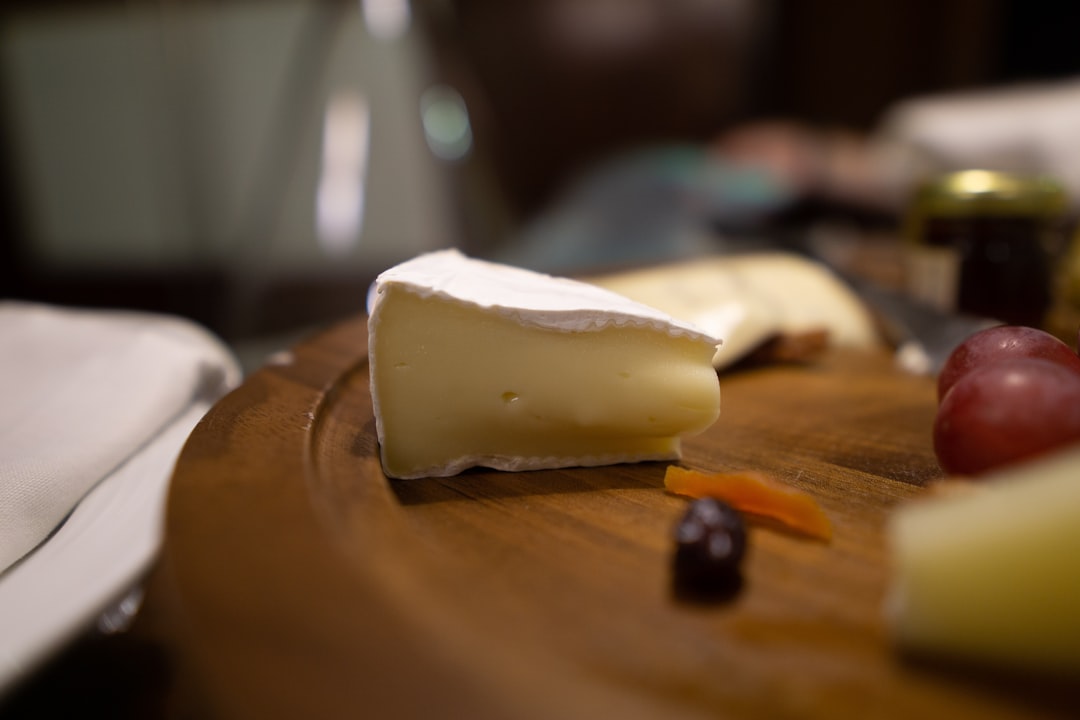
The diets react (see scores below)
Diet Ratings
Brie is keto-friendly with approximately 0.1g net carbs per ounce and high fat content (8g per ounce). Soft cheese with excellent macronutrient profile and minimal carb impact.
Soft cheese made from cow's milk with mold cultures. Contains casein and whey proteins from animal sources and typically uses animal rennet.
Dairy product. Soft cheese contains significant casein and lactose despite fermentation. Paleo excludes all dairy.
While cheese is acceptable in Mediterranean diet, brie is higher in saturated fat and not traditionally emphasized. Can be enjoyed occasionally in small portions, but not a staple.
French Mediterranean regions do include brie and similar soft cheeses as part of traditional dairy consumption, though typically in smaller portions than modern servings.
Soft cheese with higher lactose and moisture content than hard cheeses. Animal-derived but more problematic for carnivore practitioners due to lactose and potential inflammatory properties.
Strict meat-only carnivores exclude brie entirely due to lactose content and soft cheese properties. Some practitioners prefer hard, aged cheeses with lower lactose profiles.
Brie is a dairy cheese product explicitly excluded during the 30-day Whole30 elimination phase. All forms of dairy and cheese are not permitted.
Brie is a soft-ripened cheese with low lactose due to fermentation and aging. Monash University rates it as low-FODMAP at standard serving sizes (1 ounce/28g).
Soft cheese high in saturated fat (4.3g per oz) and sodium (178mg per oz). Full-fat dairy explicitly limited in DASH. Calorie-dense with poor nutrient-to-fat ratio.
High saturated fat (7.9g per oz) with moderate protein (5.9g per oz). Poor protein-to-fat ratio for Zone. Usable only in minimal quantities as a fat block, not as primary protein source.
Soft cheese with high saturated fat and calories. Full-fat dairy is limited in anti-inflammatory diet. Lacks probiotics of fermented foods and offers minimal anti-inflammatory benefit relative to inflammatory load.
Brie is 75% fat by calories with only 6g protein per oz. High saturated fat content directly worsens nausea, bloating, and reflux. Minimal nutritional benefit relative to caloric density. Not compatible with GLP-1 medication goals.
Nutritional profile
Six traits that cut across every diet.
Fiber & Plants
How much whole-plant food and fiber it delivers.
Healthy Fats
The quality of its fats (unsaturated, omega-3).
Whole / Unprocessed
How close it is to its natural, unprocessed form.
Gut Gentle
How easy it is on digestion (low FODMAP, few irritants).
Low Glycemic
How little it spikes your blood sugar.
Protein Density
How much protein it packs per calorie.
Controversy Index
Score range: 1–8/10. Higher controversy = more disagreement between diets.
Diet-Specific Tips for Brie
 Keto — 8/10
- 0.1g net carbs per ounce
- High fat content (8g per ounce)
- Whole food, unprocessed
- Minimal lactose
 Mediterranean — 5/10
- High saturated fat
- Not core Mediterranean cheese
- Acceptable occasionally
- Portion control important
 Carnivore — 5/10
- Higher lactose than aged cheeses
- Soft cheese with higher moisture
- Mold cultures present
- Casein and whey proteins
 Low-FODMAP — 8/10
- Fermented soft cheese
- Low residual lactose
- No fructans or GOS
 Zone — 5/10
- High saturated fat
- Low protein relative to fat
- Minimal carbohydrates
- Heavily portion-dependent