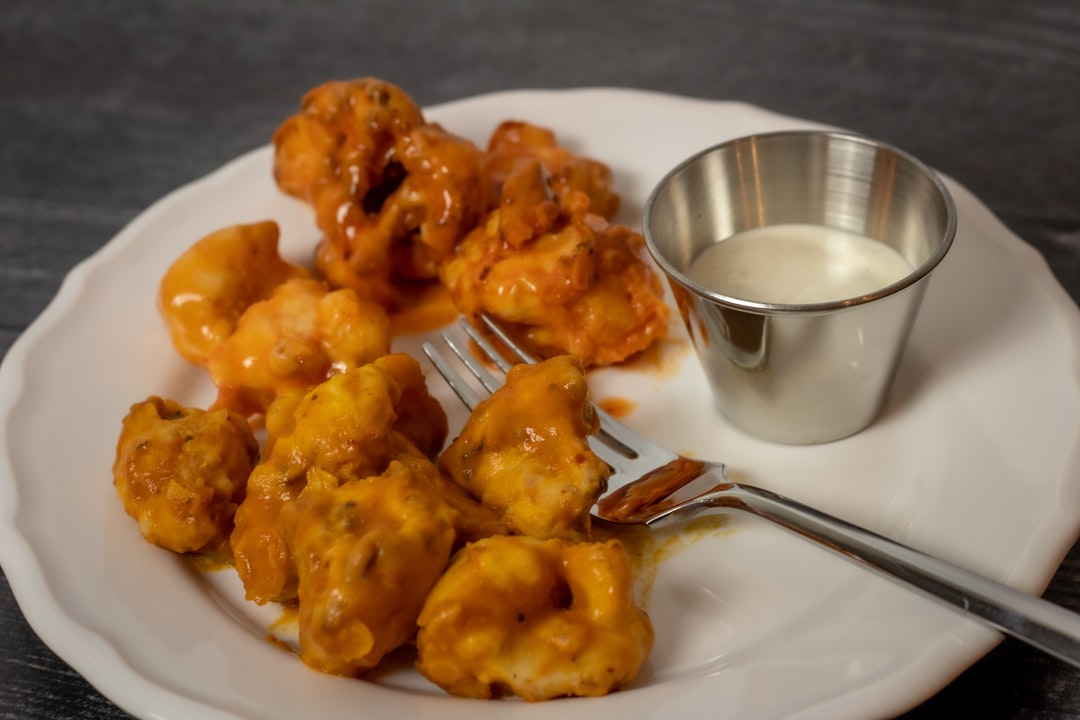
The diets react (see scores below)
Diet Ratings
Traditional buffalo sauce is hot sauce, butter, and spices. Essentially zero carbs. No sugar added in authentic recipes. Excellent fat content from butter. Verify commercial versions don't contain added sugars.
Most commercial buffalo sauces are plant-based (hot sauce, butter/oil, vinegar), but many contain butter or are made with animal-derived ingredients. Homemade versions with vegan butter are approvable. Requires ingredient verification.
Some vegans accept standard buffalo sauce if butter is the only animal ingredient and used minimally, viewing it as acceptable in restaurant contexts where vegan alternatives are unavailable.
Traditional buffalo sauce (hot sauce + butter) is paleo-compliant. However, commercial versions often contain added sugar, preservatives, and seed oils. Homemade buffalo sauce with hot peppers, ghee/butter, and salt is acceptable; store-bought requires ingredient verification.
Some paleo practitioners avoid all processed condiments including commercial buffalo sauce due to additives and added sugars, even if the base ingredients are compliant.
Buffalo sauce is typically made with hot sauce, butter, and often contains high sodium, added sugars, and saturated fat. It contradicts Mediterranean principles by emphasizing processed ingredients and unhealthy fats over whole foods.
Buffalo sauce is typically hot sauce (plant-derived peppers) mixed with butter (animal fat). Quality varies significantly by brand; pure buffalo sauce with butter and cayenne is closer to acceptable, but most commercial versions contain additives, vinegar, and plant compounds.
Strict carnivores avoid all plant-derived spices and sauces, including buffalo sauce, regardless of butter content. Some practitioners accept homemade versions with only butter and cayenne pepper.
Traditional buffalo sauce (hot sauce + butter/ghee) is compliant. Ghee is an approved exception. Verify no added sugar in commercial versions.
Buffalo sauce is typically hot sauce (cayenne/chili peppers) mixed with butter and vinegar. All components are low-FODMAP. No garlic or onion in standard formulations.
Buffalo sauce is typically high in sodium (300-500mg per 2 tablespoons) due to hot sauce and butter base. Contains saturated fat from butter. Can be used sparingly on lean proteins, but sodium content is a concern for DASH adherence.
Typically hot sauce (cayenne, vinegar, minimal sugar) with butter or oil. Negligible carbs, adds fat and flavor. Excellent condiment for Zone meals. Check labels for added sugar.
Buffalo sauce contains cayenne pepper (anti-inflammatory spice) but typically includes butter (saturated fat), hot sauce with vinegar (acceptable), and often high sodium. Commercial versions may contain inflammatory additives. Homemade versions with minimal butter score higher.
Some anti-inflammatory authorities emphasize the capsaicin benefits of cayenne and view small amounts of butter as acceptable, potentially rating this 6-7. However, typical commercial formulations contain excessive saturated fat and sodium.
Buffalo sauce is spicy (cayenne-based) and typically contains fat from butter or oil. Very spicy foods may trigger reflux or nausea in GLP-1 patients. However, used in small amounts on lean protein (e.g., chicken breast), it adds flavor without significant caloric impact.
Some RDs recommend avoiding buffalo sauce due to reflux risk; others note that the spice level is tolerable for many patients and small amounts on protein are acceptable if no baseline reflux exists.
Nutritional profile
Six traits that cut across every diet.
Fiber & Plants
How much whole-plant food and fiber it delivers.
Healthy Fats
The quality of its fats (unsaturated, omega-3).
Whole / Unprocessed
How close it is to its natural, unprocessed form.
Gut Gentle
How easy it is on digestion (low FODMAP, few irritants).
Low Glycemic
How little it spikes your blood sugar.
Protein Density
How much protein it packs per calorie.
Controversy Index
Score range: 2–9/10. Higher controversy = more disagreement between diets.
Diet-Specific Tips for Buffalo sauce
 Keto — 9/10
- Near-zero net carbs
- High fat from butter
- No added sugar in traditional form
- Pure condiment
 Vegan — 6/10
- Often contains butter
- Some brands use vegan butter
- Ingredient verification needed
- Heavily processed
 Paleo — 6/10
- Homemade versions are compliant
- Commercial versions often contain added sugar and seed oils
- Check ingredient list for additives
- Hot peppers are paleo-approved
 Carnivore — 6/10
- Contains hot peppers (plant)
- Contains butter (animal fat)
- Often contains additives and vinegar
- Brand-dependent quality
 Whole30 — 8/10
- Ghee is approved exception
- Hot sauce typically compliant
- Check labels for added sugar
 Low-FODMAP — 8/10
- Hot peppers are low-FODMAP
- Butter is low-FODMAP
- Vinegar is low-FODMAP
- Check ingredient list for garlic/onion additives
 DASH — 4/10
- High sodium (300-500mg per 2 tbsp)
- Saturated fat from butter
- Minimal nutritional benefit
- Acceptable in very small amounts
 Zone — 8/10
- Minimal carbohydrates
- Fat from butter/oil
- Anti-inflammatory capsaicin
- Low glycemic impact
 Anti-Inflammatory — 4/10
- Cayenne pepper contains capsaicin (anti-inflammatory)
- Butter content adds saturated fat
- High sodium in most commercial versions
- Vinegar base is acceptable
- Potential artificial additives in processed versions
 GLP-1 Friendly — 5/10
- Very spicy — reflux/nausea risk
- Contains fat from butter/oil
- Used in small amounts
- Individual tolerance varies