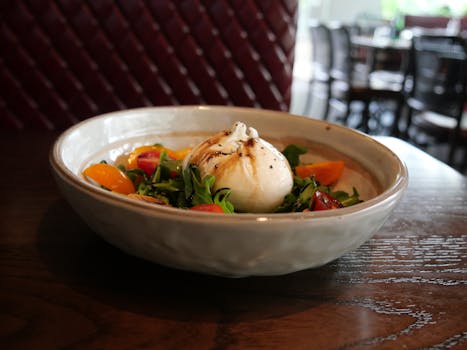
The diets react (see scores below)
Diet Ratings
Burrata contains <1g net carbs per ounce. High fat, moderate protein, no added sugars. Fresh mozzarella-based cheese, excellent keto choice.
Fresh cheese made from cow's milk and cream. Direct animal product with dairy base.
Burrata is a fresh cheese made from milk and cream. Dairy is a core exclusion in paleo diet regardless of cheese type or production method.
Fresh Italian cheese made from mozzarella and cream. Contains saturated fat but less processed than many cheeses. Can be part of Mediterranean diet in small portions as part of meals with vegetables and olive oil, but should not be a primary food.
Some Mediterranean diet sources accept burrata in moderate portions (2-3 ounces) when paired with vegetables and olive oil, particularly in Southern Italian traditions where fresh cheeses are consumed regularly.
Fresh cheese (animal-derived dairy) with higher lactose than aged cheeses. Acceptable to most carnivore practitioners who include dairy, but strict dairy-exclusion camp opposes it.
Strict carnivore and Lion Diet adherents exclude all dairy products, including fresh cheeses like burrata, due to higher lactose content and potential inflammatory effects.
Burrata is a fresh cheese (dairy product) explicitly excluded during the 30-day Whole30 period.
Burrata is a fresh cheese with higher lactose content than aged cheeses. Monash data is limited; some sources suggest up to 100g may be tolerated, but individual lactose sensitivity varies significantly.
Monash University has limited specific testing on burrata. Clinical FODMAP practitioners note that fresh cheeses retain more lactose than aged varieties, making individual tolerance variable. Serving size cutoff around 100g is suggested but not definitively established.
Fresh cheese made from full-fat cream and milk. High in saturated fat and sodium (200-300mg per serving). Contradicts DASH emphasis on low-fat dairy.
Burrata is a fresh cheese with moderate protein (~6g per oz) but high in saturated fat (~7g per oz) and calories. Carbs negligible (~1g per oz). Creamy interior is primarily fat. Difficult to portion for Zone balance without exceeding fat targets. Better as occasional garnish than meal staple. Saturated fat content is the limiting factor.
Fresh cheese made from cream and milk curds, very high in saturated fat and calories. Minimal anti-inflammatory compounds. Lacks the probiotic benefits of aged cheeses. No meaningful antioxidants or polyphenols to justify inclusion in anti-inflammatory diet.
Fresh cheese with 6g protein but 17g fat per 100g serving. Creamy interior is high-fat and triggers nausea/reflux in GLP-1 patients. Poor fat-to-protein ratio. Better protein sources available.
Nutritional profile
Six traits that cut across every diet.
Fiber & Plants
How much whole-plant food and fiber it delivers.
Healthy Fats
The quality of its fats (unsaturated, omega-3).
Whole / Unprocessed
How close it is to its natural, unprocessed form.
Gut Gentle
How easy it is on digestion (low FODMAP, few irritants).
Low Glycemic
How little it spikes your blood sugar.
Protein Density
How much protein it packs per calorie.
Controversy Index
Score range: 1–9/10. Higher controversy = more disagreement between diets.
Diet-Specific Tips for Burrata
 Keto — 9/10
- Negligible net carbs (<1g per oz)
- High fat content
- No added sugars
- Creamy texture
 Mediterranean — 5/10
- traditional Italian cheese
- fresh, minimally processed
- moderate saturated fat
- portion control important
- pairs well with vegetables
 Carnivore — 5/10
- dairy-derived (animal product)
- fresh cheese (higher lactose)
- higher lactose than aged cheese
- dairy debate within community
 Low-FODMAP — 4/10
- Fresh cheese with higher lactose than aged varieties
- Limited Monash-specific data
- Individual lactose tolerance varies
 Zone — 5/10
- Moderate protein content
- High saturated fat (creamy interior)
- Negligible carbohydrates
- High caloric density
- Difficult to portion for Zone balance