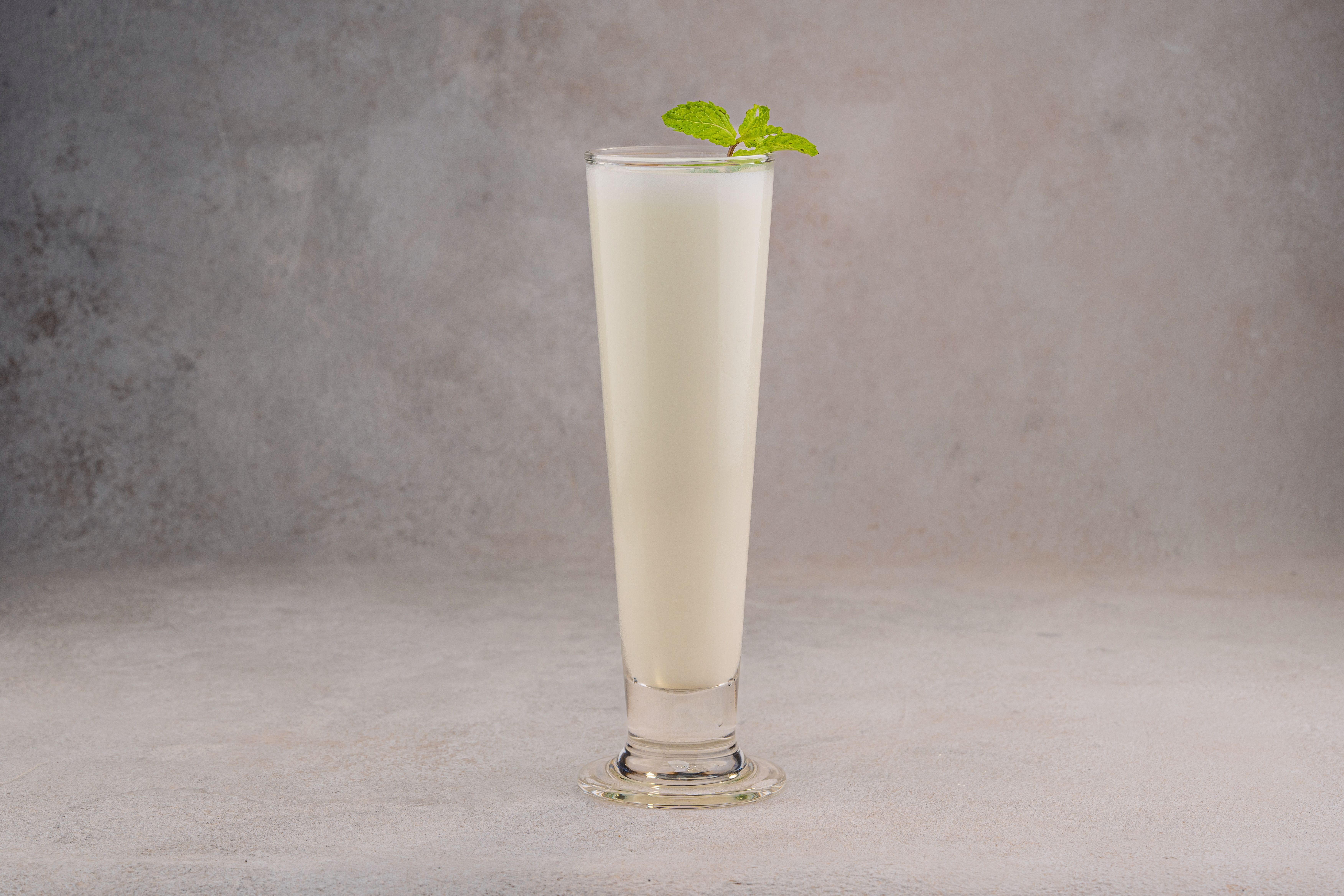
The diets react (see scores below)
Diet Ratings
Traditional buttermilk contains ~4-5g net carbs per 100ml due to lactose and added carbohydrates. Even small servings accumulate quickly toward daily limits. Not compatible with ketogenic macros.
Buttermilk is a dairy byproduct containing milk solids and lactose. It is fundamentally an animal product and incompatible with vegan diets.
Dairy product containing lactose and casein. Excluded from paleo diet regardless of fermentation or culturing.
Fermented dairy product acceptable in moderation. Lower fat than whole milk but still a processed dairy. Use sparingly as ingredient rather than main component.
Animal-derived fermented dairy with reduced lactose due to fermentation, but still contains casein and lactose. Fermentation improves digestibility for some, but many carnivore practitioners avoid all dairy. Depends heavily on individual tolerance.
Strict meat-only carnivores exclude all dairy including buttermilk. Some animal-based practitioners accept fermented dairy as more tolerable than fresh milk due to probiotic content and reduced lactose.
Buttermilk is a dairy product. All dairy including milk and milk derivatives are excluded for 30 days on Whole30.
Buttermilk contains significant lactose despite fermentation. Monash University testing confirms buttermilk is high-FODMAP. Fermentation does not sufficiently reduce lactose to low-FODMAP levels.
Low-fat buttermilk is DASH-compatible with good protein and calcium, but contains moderate sodium (roughly 380-500mg per cup). Use in moderation and choose low-sodium varieties when available.
Low-fat buttermilk offers lean protein and probiotics, but contains moderate lactose. Usable in Zone cooking but requires portion control to manage carb blocks. Higher in sodium.
Traditional buttermilk (byproduct of butter-making) is low in fat and contains beneficial probiotics and lactic acid. However, cultured buttermilk sold commercially often contains added ingredients. The modest saturated fat and lactose content place it in the moderate dairy category, acceptable in moderation.
Buttermilk provides 8g protein per cup but contains 9g fat and significant lactose. The probiotic cultures may aid digestion, which is beneficial for GLP-1 patients, but fat content and lactose sensitivity remain concerns. Best used in small amounts as a marinade or cooking ingredient rather than consumed as a beverage.
Some RDs value buttermilk's probiotic content and lower fat than whole milk for GLP-1 patients with good dairy tolerance; others recommend avoiding due to lactose and fat density.
Nutritional profile
Six traits that cut across every diet.
Fiber & Plants
How much whole-plant food and fiber it delivers.
Healthy Fats
The quality of its fats (unsaturated, omega-3).
Whole / Unprocessed
How close it is to its natural, unprocessed form.
Gut Gentle
How easy it is on digestion (low FODMAP, few irritants).
Low Glycemic
How little it spikes your blood sugar.
Protein Density
How much protein it packs per calorie.
Controversy Index
Score range: 1–6/10. Higher controversy = more disagreement between diets.
Diet-Specific Tips for Buttermilk
 Mediterranean — 5/10
- fermented dairy
- moderate processing
- acceptable in small amounts for cooking
 Carnivore — 5/10
- Fermented dairy
- Reduced lactose vs. milk
- Casein present
- Individual tolerance variable
 DASH — 6/10
- Moderate sodium (380-500mg/cup)
- Good protein and calcium
- Low-fat versions preferred
- Useful for cooking/baking
 Zone — 5/10
- Moderate lactose content
- Lean protein when low-fat
- Probiotic benefits
- Higher sodium
 Anti-Inflammatory — 5/10
- Low fat compared to whole milk
- Contains probiotics in cultured versions
- Lactic acid may aid digestion
- Lactose present but lower than whole milk
 GLP-1 Friendly — 5/10
- moderate protein (8g per cup)
- moderate fat (9g per cup)
- lactose content
- probiotic cultures may support digestion