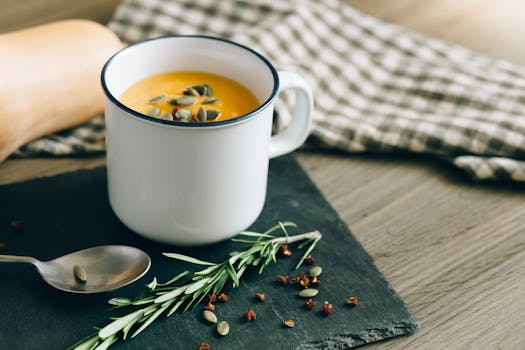
Butternut squash soup
Rated by 11 diets
The diets react (see scores below)
Diet Ratings
Butternut squash is a starchy vegetable with 15-20g net carbs per cup. A typical serving of soup contains 20-30g net carbs, exceeding daily keto limits.
Base ingredients (squash, vegetables, broth) are plant-based, but often prepared with cream, butter, or chicken broth. Vegan versions are easily made.
Some vegans approve butternut squash soup if explicitly made with vegetable broth and plant-based cream, treating the vegetable base as compliant.
Butternut squash is a tuber/vegetable approved in paleo. Soup made with broth, squash, and spices is compliant. Verify no cream (dairy), added sugar, or seed oils.
Butternut squash is nutrient-dense and Mediterranean-compatible. However, cream-based preparation contradicts olive oil emphasis. Acceptable if made with olive oil, vegetable broth, and minimal cream.
Some Mediterranean diet sources accept moderate dairy in soups, particularly in Southern Italian traditions where cream-based vegetable soups appear in regional cuisine.
Butternut squash is a plant-derived vegetable/fruit. Even if made with cream or broth, the primary ingredient violates carnivore principles.
Butternut squash, broth, and compliant fats (ghee, olive oil) with herbs and spices are all allowed. Whole30 compliant if no cream or added sugar is used.
Butternut squash is low-FODMAP in 1 cup (205g) per Monash. Larger portions exceed limits. Soup base often includes onion and garlic (high-FODMAP). Cream is low-FODMAP. Success depends on aromatics and portion size.
Monash University specifies butternut squash as low-FODMAP only up to 1 cup (205g); larger servings exceed fructose limits. Most restaurant soups contain garlic/onion base.
Butternut squash is nutrient-dense (potassium, fiber, beta-carotene). If made with low-fat milk or broth and minimal salt, excellent DASH choice. Whole vegetable, no refined carbs.
Butternut squash is moderate-glycemic (higher than leafy greens, lower than white potatoes). Creamy versions use heavy cream (saturated fat). Minimal protein unless fortified. Requires substantial lean protein addition and careful portioning of squash to achieve Zone balance.
Butternut squash is rich in beta-carotene and antioxidants. Soup preparation enhances nutrient bioavailability. If made with vegetable broth, olive oil, and herbs (ginger, thyme), it's strongly anti-inflammatory. Avoid cream-based versions with butter.
Butternut squash is nutrient-dense and high-fiber, but soup is often made with cream or butter (high fat). Protein is low unless legumes or meat are added. Smooth texture aids digestion but high fat content worsens nausea. Acceptable if made with broth instead of cream.
Some RDs rate broth-based butternut squash soup 7-8 if protein is added; others rate cream-based versions 3-4 due to fat content and low protein.
Nutritional profile
Six traits that cut across every diet.
Fiber & Plants
How much whole-plant food and fiber it delivers.
Healthy Fats
The quality of its fats (unsaturated, omega-3).
Whole / Unprocessed
How close it is to its natural, unprocessed form.
Gut Gentle
How easy it is on digestion (low FODMAP, few irritants).
Low Glycemic
How little it spikes your blood sugar.
Protein Density
How much protein it packs per calorie.
Controversy Index
Score range: 1–8/10. Higher controversy = more disagreement between diets.
Diet-Specific Tips for Butternut squash soup
 Vegan — 6/10
- cream/butter common
- broth type variable
- easily veganizable
 Paleo — 8/10
- squash approved
- broth approved
- no dairy cream
- no added sugar
- cooking fat matters
 Mediterranean — 6/10
- nutrient-dense vegetable
- fat source variable
- cream content problematic
- preparation method critical
 Whole30 — 8/10
- squash compliant
- broth compliant
- natural fats allowed
- verify no dairy cream
- verify no added sugar
 Low-FODMAP — 6/10
- Butternut squash portion-limited to 1 cup
- Onion/garlic in soup base likely
- Cream is low-FODMAP
- Serving size critical
 DASH — 8/10
- High potassium and fiber
- Beta-carotene and vitamin C
- Low sodium if salt-controlled
- Whole vegetable (not refined)
- Low saturated fat if made with low-fat dairy or broth
 Zone — 4/10
- Moderate-to-high glycemic load
- Saturated fat from cream
- Minimal inherent protein
- Requires protein supplementation
 Anti-Inflammatory — 8/10
- beta-carotene and antioxidants
- cooked vegetables enhance absorption
- typically herb-infused
- avoid cream and butter additions
- whole-food base
 GLP-1 Friendly — 5/10
- high fiber
- nutrient-dense
- low protein
- fat content preparation-dependent
- easy digestibility