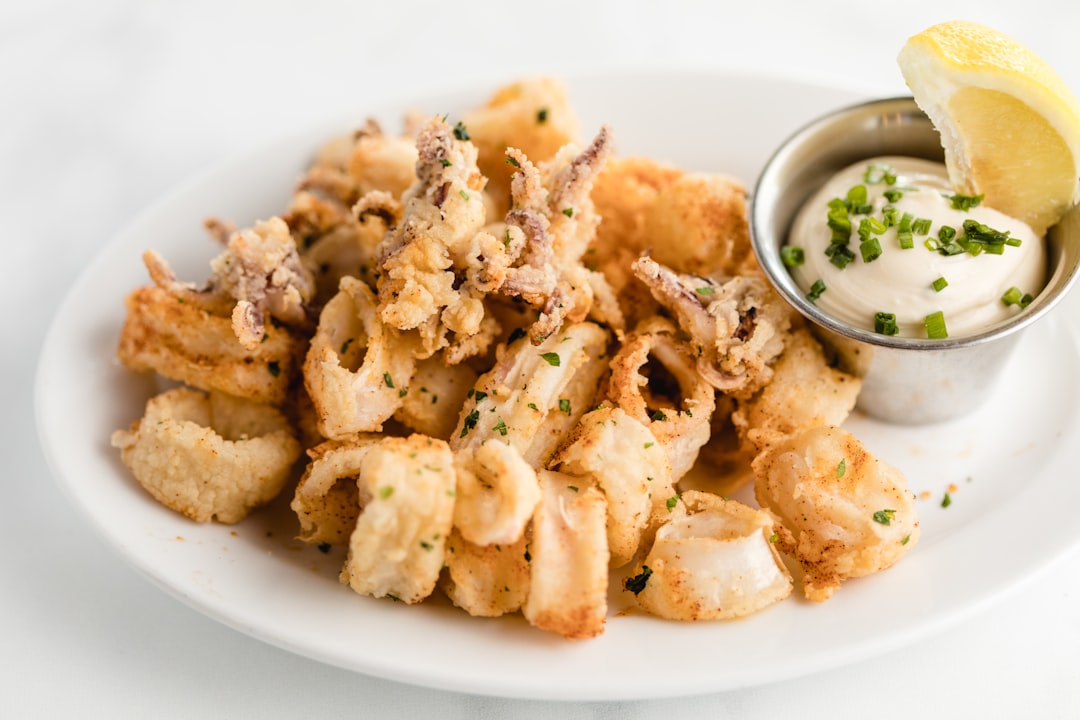
The diets react (see scores below)
Diet Ratings
Breaded and fried in likely seed oils. Breading adds 5-10g net carbs per serving. High carb count and inflammatory oils make it incompatible with keto.
Calamari is squid (marine animal flesh); all seafood is excluded from vegan diets.
Fried calamari is problematic for multiple reasons: it is cooked in seed oils (typically canola or vegetable oil), often breaded with grains (wheat flour), and may contain additives. The frying process and grain coating violate paleo principles. Grilled or boiled calamari would be approvable.
Squid is acceptable seafood meeting 2-3 times weekly recommendation, but frying preparation adds excessive oil and calories, contradicting Mediterranean emphasis on minimal added fats and whole food preparation. Grilled or boiled calamari would score higher.
Calamari is squid (approved seafood), but frying introduces concerns: typically breaded with wheat flour or other plant-based coatings, and fried in plant oils (vegetable, seed oils). If fried in animal fat with no breading, it would be approve-worthy.
Some carnivores accept fried calamari if prepared in animal fat without breading; most avoid it due to standard preparation methods using plant-based breading and oils.
Fried calamari violates Whole30 principles. It is typically breaded (grain-based coating) and deep-fried in non-compliant oil. Even if prepared with compliant ingredients, the frying method and breading make it non-compliant. Additionally, recreating fried/junk food violates program spirit.
Calamari itself is low-FODMAP, but frying introduces concerns. The breading may contain wheat flour (high-FODMAP fructans) or garlic/onion powder. Additionally, reused frying oil may contain residual high-FODMAP ingredients. Plain grilled calamari is safer.
Monash University rates plain calamari as low-FODMAP; however, clinical practitioners note that fried preparations typically use wheat-based breading and may contain garlic/onion seasonings, making them problematic during the elimination phase.
Frying adds significant saturated fat and calories. Fried calamari typically contains 5-8g saturated fat per 3oz serving plus 400-600mg sodium from breading and salt. Preparation method directly contradicts DASH emphasis on low saturated fat and sodium. Grilled calamari would be acceptable; fried is not.
Deep-fried preparation adds excessive calories from refined carbs (breading) and omega-6-heavy oils. While squid itself is lean, frying method creates inflammatory food incompatible with Zone. Breading adds high-glycemic carbs.
Fried preparation negates any anti-inflammatory benefits of squid. Deep frying in seed oils creates trans fats and oxidized lipids. Breading adds refined carbohydrates. Strongly pro-inflammatory.
Fried calamari is breaded and deep-fried, adding 15-20g fat per 3oz serving. The frying process makes it difficult to digest and the high fat content significantly worsens GLP-1 side effects (nausea, bloating, reflux). While calamari itself is lean protein, the preparation method is incompatible with GLP-1 therapy.
Nutritional profile
Six traits that cut across every diet.
Fiber & Plants
How much whole-plant food and fiber it delivers.
Healthy Fats
The quality of its fats (unsaturated, omega-3).
Whole / Unprocessed
How close it is to its natural, unprocessed form.
Gut Gentle
How easy it is on digestion (low FODMAP, few irritants).
Low Glycemic
How little it spikes your blood sugar.
Protein Density
How much protein it packs per calorie.
Controversy Index
Score range: 1–5/10. Higher controversy = more disagreement between diets.
Diet-Specific Tips for Calamari (fried)
 Mediterranean — 4/10
- Seafood category (acceptable 2-3x weekly)
- Frying method contradicts principles
- Excessive added oil
- Preparation method is primary concern
- Grilled/boiled preparation preferred
 Carnivore — 4/10
- Seafood base (approved)
- Breading (plant-based flour)
- Cooking oil (likely plant-based)
- Processing method
 Low-FODMAP — 5/10
- Calamari meat is low-FODMAP
- Wheat-based breading is high-FODMAP
- Garlic and onion powder common in seasoning
- Frying oil may contain problematic residues
- Preparation method critical