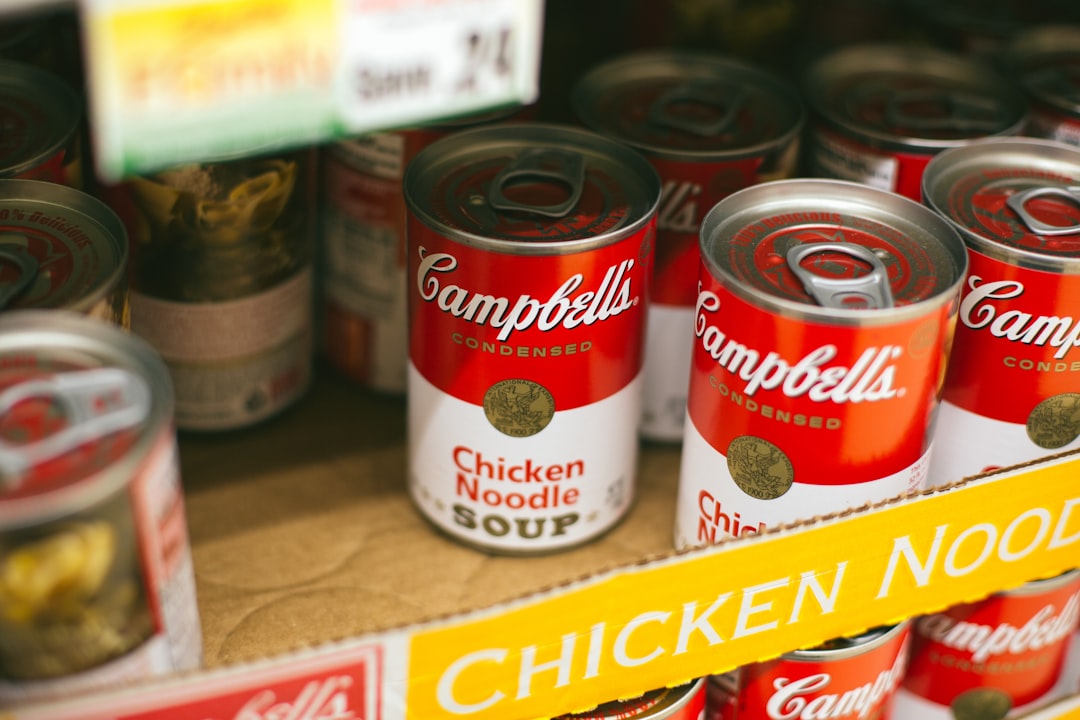
The diets react (see scores below)
Diet Ratings
Canned chicken in water or oil is zero carbs, high protein. Check labels for added sugars (rare in plain varieties). Convenient keto staple.
Chicken is poultry, a direct animal product explicitly excluded from vegan diet.
Canned chicken is unprocessed meat, but canning involves added salt and sometimes added oils or broth with additives. If packed in water with minimal salt, it's closer to approve. The added sodium and potential additives create ambiguity.
Strict paleo practitioners avoid canned goods due to processing and added salt; however, many modern paleo followers accept canned fish and poultry as convenient whole-food options if ingredients are minimal (chicken, water, salt only).
Acceptable protein source but processing and high sodium content are concerns. Mediterranean diet prefers fresh fish/poultry, but canned chicken can be used occasionally if rinsed to reduce sodium.
Some Mediterranean regions (particularly coastal areas) traditionally prioritize fresh fish over canned poultry, viewing canned products as less ideal despite nutritional adequacy.
Pure animal protein preserved in canning. Check ingredients for added plant oils or sugar. If only chicken, salt, and water, fully compliant. Canning is acceptable preservation.
Canned chicken (in water or broth) is a compliant protein source. Canning is an acceptable preservation method. Check label to ensure no added sugar, soy, or other excluded ingredients. Most plain canned chicken is Whole30 compliant.
Plain canned chicken is low-FODMAP. Canning process does not introduce fermentable carbohydrates. Check label for added garlic or onion.
Good lean protein source, but sodium content varies widely (300-500mg per 3oz serving). Choose low-sodium varieties (ideally <140mg per serving) to align with DASH. Canning process adds sodium for preservation. Acceptable if rinsed and low-sodium option selected.
Lean protein source but often packed in oil or brine with added sodium. Check label for fat content and additives. If water-packed, approaches approval; if oil-packed, fat profile requires verification.
Dr. Sears emphasizes whole foods over processed. Canned chicken's sodium and potential preservatives conflict with anti-inflammatory focus, though protein quality remains acceptable.
Lean protein is beneficial, but canning process often involves high sodium and potential additives. BPA in can linings is a concern. Acceptable occasionally but fresh/frozen preferred. Some authorities view canned fish more favorably than canned poultry.
Dr. Weil emphasizes whole foods over processed; however, canned chicken can serve as convenient protein in moderation. Some functional medicine practitioners accept canned options if sodium is acceptable and BPA-free cans are used.
High protein (20-25g per 3oz), minimal fat (especially if packed in water), shelf-stable, convenient for small meals. Slightly higher sodium than fresh but acceptable. Easy to digest and portion-friendly. Excellent for patients with limited meal prep time.
Nutritional profile
Six traits that cut across every diet.
Fiber & Plants
How much whole-plant food and fiber it delivers.
Healthy Fats
The quality of its fats (unsaturated, omega-3).
Whole / Unprocessed
How close it is to its natural, unprocessed form.
Gut Gentle
How easy it is on digestion (low FODMAP, few irritants).
Low Glycemic
How little it spikes your blood sugar.
Protein Density
How much protein it packs per calorie.
Controversy Index
Score range: 1–9/10. Higher controversy = more disagreement between diets.
Diet-Specific Tips for Canned chicken
 Keto — 8/10
- Zero net carbs
- High protein content
- Long shelf life
- Verify no added sugars on label
 Paleo — 6/10
- unprocessed meat base
- added salt
- potential additives in broth
- canning process
 Mediterranean — 4/10
- High sodium content
- Processed preservation method
- Acceptable protein
- Convenience factor
 Carnivore — 7/10
- pure animal protein
- minimal processing
- verify no plant oil additives
 Whole30 — 8/10
- Whole protein source
- Acceptable preservation method
- Must verify no added sugar or soy
- Check sodium levels if desired
 Low-FODMAP — 9/10
- Chicken is low-FODMAP
- Canning does not alter FODMAP status
- Verify no added FODMAP ingredients
 DASH — 5/10
- Lean protein
- Variable sodium content
- Processing adds sodium
- Low-sodium options available
 Zone — 5/10
- Lean protein content
- High sodium in brine
- Variable fat content by brand
- Processed/preserved format
 Anti-Inflammatory — 4/10
- Lean protein content
- High sodium content
- Potential BPA from can lining
- Processing additives
- Convenience vs. whole food trade-off
 GLP-1 Friendly — 8/10
- high protein
- low fat (water-packed)
- convenient
- shelf-stable
- easy to digest
- portion-friendly