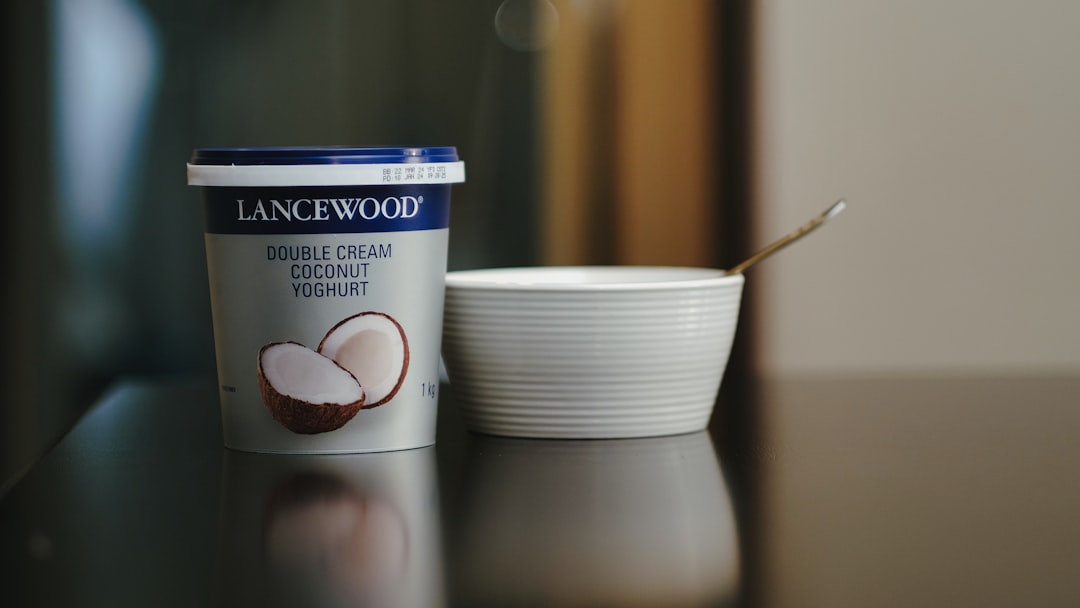
Canned coconut cream
Rated by 11 diets
The diets react (see scores below)
Diet Ratings
Pure fat source with minimal carbs (1-2g per serving). High MCT content. Ideal for keto cooking, coffee, sauces. No added sugars in quality brands.
Coconut cream is a plant-based product derived from coconut milk. It contains no animal products or animal-derived ingredients and is a whole plant food.
Pure coconut product with no added sugars, grains, or additives. Approved fat source in paleo diet.
High in saturated fat, not a traditional Mediterranean ingredient. However, some modern Mediterranean adaptations incorporate coconut products in moderation. Better alternatives exist (olive oil, nuts, seeds), but occasional use acceptable.
Some contemporary Mediterranean diet practitioners, particularly those incorporating global influences, accept coconut cream as an occasional ingredient for culinary diversity, though traditional Mediterranean regions rarely use it.
Coconut is plant-derived fruit. Despite being calorie-dense and used by some low-carb dieters, it violates the core carnivore principle of excluding all plant foods. Not animal-derived.
Pure coconut cream (coconut and water only) is Whole30 compliant. It's a natural fat source. Verify label contains no added sugars or guar gum (guar gum is acceptable per official guidelines).
Coconut cream is low-FODMAP at standard servings per Monash University. No lactose, no fructans. Suitable for elimination phase.
High in saturated fat (primarily saturated coconut oil), calorie-dense, and lacks the micronutrient profile of DASH-approved foods. DASH guidelines explicitly limit tropical oils. Minimal nutritional benefit for hypertension management.
High in saturated fat (13g per 2 tbsp), though some research supports coconut fat's metabolic profile. Dr. Sears emphasizes monounsaturated fats as primary source. Can be used sparingly in cooking or curries paired with lean protein and vegetables, but not a preferred fat block.
Some Zone practitioners and newer research suggest coconut oil's medium-chain triglycerides may have metabolic benefits; however, Dr. Sears' original protocol prioritizes olive oil and avocado.
High in saturated fat (though some research suggests coconut fat may be less inflammatory than other saturated fats). Contains lauric acid with potential antimicrobial properties. Calorie-dense. Acceptable in small amounts for cooking but not as primary fat source.
Dr. Weil and mainstream anti-inflammatory guidelines recommend limiting coconut cream due to saturated fat content. Some paleo/keto advocates argue coconut fat is metabolically neutral or beneficial, but this conflicts with traditional anti-inflammatory guidance.
Extremely high in saturated fat (13-14g per 2 tablespoon serving), minimal protein, high calorie density with poor satiety. Coconut cream is a cooking ingredient, not a standalone food for GLP-1 patients. Even small amounts add excessive fat that worsens nausea and bloating. No clinical advantage over other fat sources.
Nutritional profile
Six traits that cut across every diet.
Fiber & Plants
How much whole-plant food and fiber it delivers.
Healthy Fats
The quality of its fats (unsaturated, omega-3).
Whole / Unprocessed
How close it is to its natural, unprocessed form.
Gut Gentle
How easy it is on digestion (low FODMAP, few irritants).
Low Glycemic
How little it spikes your blood sugar.
Protein Density
How much protein it packs per calorie.
Controversy Index
Score range: 2–9/10. Higher controversy = more disagreement between diets.
Diet-Specific Tips for Canned coconut cream
 Keto — 9/10
- 1-2g net carbs per serving
- high fat content (ideal ratio)
- MCT-rich
- versatile keto ingredient
 Vegan — 9/10
- Plant-based
- Whole food source
- No animal derivatives
- Minimal processing
 Paleo — 9/10
- whole food source
- healthy fat
- no additives or preservatives
- no anti-nutrients
 Mediterranean — 5/10
- High saturated fat
- Not traditional to region
- Limited nutritional diversity
- Better alternatives available
- Processed product
 Whole30 — 9/10
- Whole coconut product
- Natural fat
- Minimal processing
- Verify no added sugar
 Low-FODMAP — 9/10
- Coconut (low-FODMAP)
- No lactose
- No added sugars (typically)
 Zone — 5/10
- high saturated fat content
- medium-chain triglycerides
- no protein or carbs
- requires careful portioning
- not preferred fat source
 Anti-Inflammatory — 5/10
- high saturated fat content
- potential lauric acid benefits
- calorie density
- minimal omega-3