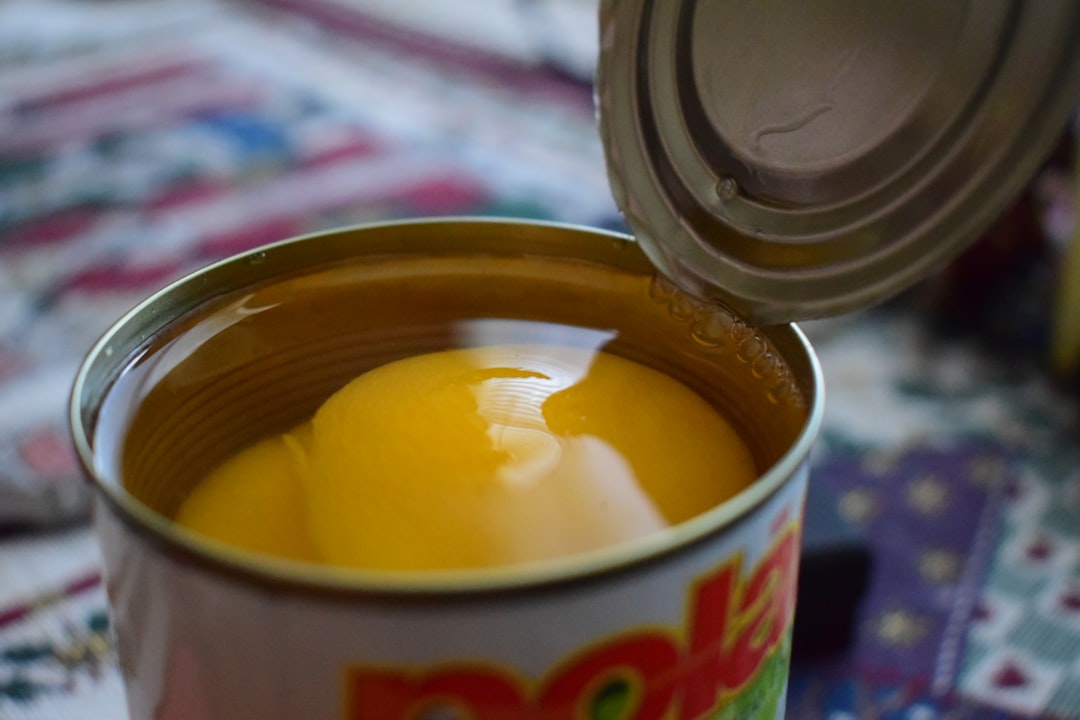
The diets react (see scores below)
Diet Ratings
Canned peaches typically contain added syrup with approximately 15-20g net carbs per 100g (syrup-packed). Even 'light syrup' versions exceed 10g net carbs per serving. Incompatible with ketosis.
Plant-based canned fruit. Processing and syrup are plant-derived. No animal products or derivatives, though processing reduces whole-food status.
Canned peaches are processed and typically packed in sugar syrup or added sugars. Processing contradicts paleo philosophy. Even if packed in juice, the canning process and added sugars violate paleo guidelines. BPA lining in cans is also a concern.
Canned fruits typically contain added sugars and syrups. Mediterranean diet prioritizes fresh fruits; canned acceptable only if packed in water without added sugars.
Plant-derived fruit in processed form, typically with added sugars and plant-based additives. Carnivore diet excludes all fruits and processed plant foods.
Canned peaches typically contain added sugar in the syrup. Even those labeled 'in juice' often contain added sugars. Must be verified, but most commercial canned peaches are non-compliant.
Canned peaches in syrup are high in fructose. Monash rates canned peaches in juice as low-FODMAP at 1/2 cup (120g drained), but syrup-packed versions are higher. Syrup content and portion size are critical factors.
Monash University specifies canned peaches in juice at 1/2 cup drained as low-FODMAP, but canned peaches in syrup are higher in fructose. Some practitioners recommend avoiding syrup-packed versions entirely during elimination phase.
Processing adds sodium and often added sugars. While peaches are DASH-friendly, canning process compromises profile. Choose water-packed, no-sugar-added varieties; fresh preferred.
Typically canned in heavy syrup with added sugars (~15g carbs per 100g). High glycemic load and processed sugar content violate Zone protocol. Even 'light syrup' versions problematic.
Typically canned in heavy syrup with added sugars and BPA-lined containers. Processing destroys some polyphenols. High inflammatory sugar load and artificial additives.
Quality depends heavily on syrup type. Canned in heavy syrup adds excess sugar (15-20g per 100g); canned in light syrup or juice is acceptable. Fiber content lower than fresh (1.5g per 100g). Processing reduces some micronutrients. High water content is beneficial.
Some RDs recommend canned peaches in juice as convenient, shelf-stable protein-pairing option; others prefer fresh fruit to avoid added sugars entirely, even in light syrup versions.
Nutritional profile
Six traits that cut across every diet.
Fiber & Plants
How much whole-plant food and fiber it delivers.
Healthy Fats
The quality of its fats (unsaturated, omega-3).
Whole / Unprocessed
How close it is to its natural, unprocessed form.
Gut Gentle
How easy it is on digestion (low FODMAP, few irritants).
Low Glycemic
How little it spikes your blood sugar.
Protein Density
How much protein it packs per calorie.
Controversy Index
Score range: 1–8/10. Higher controversy = more disagreement between diets.
Diet-Specific Tips for Canned peaches
 Vegan — 8/10
- 100% plant-based
- Processed (canned)
- Often in sugar syrup
- No animal derivatives
 Mediterranean — 4/10
- Often contains added sugars
- Processing reduces fiber
- Processed form
- Check label for syrup content
 Low-FODMAP — 5/10
- Syrup type matters significantly
- Portion cutoff at 1/2 cup drained (juice-packed)
- Excess fructose in syrup-packed versions
 DASH — 5/10
- Added sodium from processing
- Often contains added sugars
- Reduced fiber vs. fresh
- Syrup varieties particularly problematic
 GLP-1 Friendly — 4/10
- syrup type critical
- lower fiber than fresh
- high water content
- potential added sugars
- shelf-stable convenience