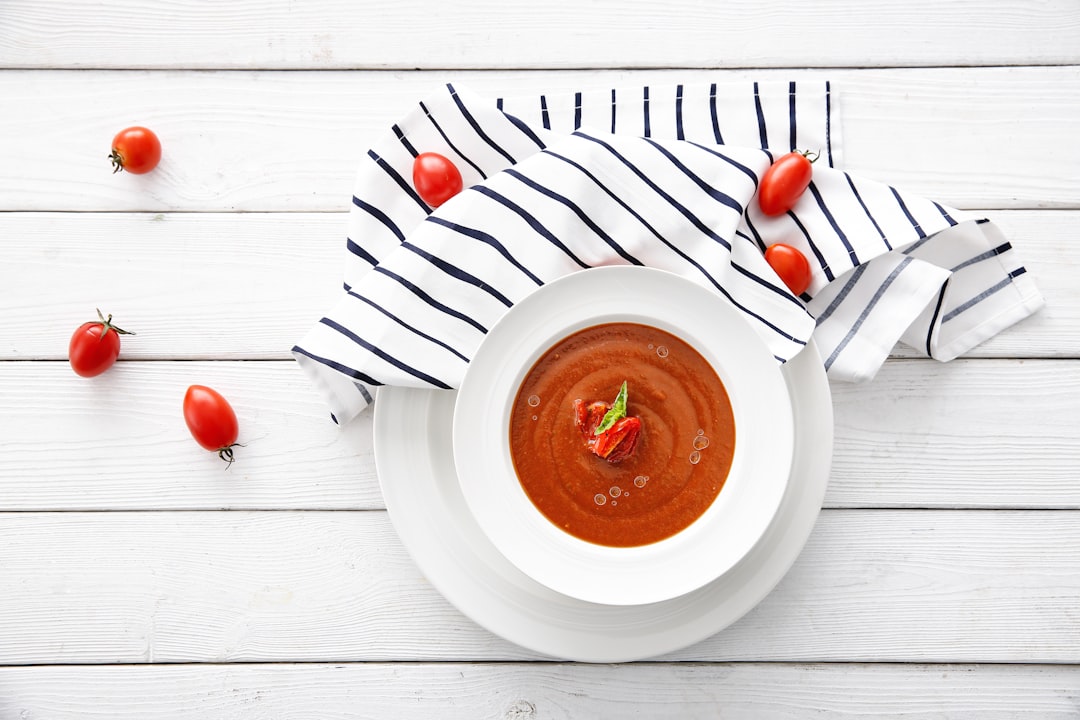
Canned soup (tomato)
Rated by 11 diets
The diets react (see scores below)
Diet Ratings
Tomato soup typically contains 12-18g net carbs per serving plus added sugars. Starch thickeners common. Incompatible with keto macros.
Many tomato soups contain dairy cream or butter. Some are vegan but require label verification. Heavily processed with potential animal-derived additives.
Some vegans accept canned tomato soup only if explicitly labeled vegan, while others avoid all canned soups due to processing concerns.
Canned tomato soup typically contains added sugar, seed oils, salt, starch thickeners, and processed additives. Even if tomatoes are paleo-approved, the processing and added ingredients violate paleo principles.
Tomato is Mediterranean staple, but canned versions typically contain high sodium and added sugars. Can be acceptable if low-sodium variety chosen and supplemented with fresh vegetables and olive oil.
Some Mediterranean diet authorities accept canned tomatoes as practical equivalent to fresh for cooking purposes, particularly when fresh tomatoes unavailable seasonally.
Tomato is plant-derived fruit. Likely contains added sugars, plant-based thickeners, and vegetable broth. Multiple plant-based violations.
Most canned tomato soups contain added sugar, cornstarch, and/or dairy (cream). Even if a compliant version exists, canned soups typically contain processed ingredients, additives, and often soy lecithin or other excluded items. Label verification is critical.
Tomato is low-FODMAP, but most canned tomato soups contain garlic, onion, or high-FODMAP thickeners. Serving size and specific brand ingredients critical.
Monash University rates plain tomato as low-FODMAP, but commercial soups often contain hidden FODMAP ingredients; some practitioners recommend homemade versions or careful label review.
Tomato provides lycopene and potassium (DASH-positive), but most canned soups contain 800-1200mg sodium per serving—exceeding daily limits. Choose low-sodium varieties (<400mg per serving) or dilute with water. Acceptable only with sodium modification.
Tomato provides low-glycemic carbs and polyphenols (anti-inflammatory). However, canned versions typically contain high sodium, added sugar, and lack adequate protein. Requires protein addition and careful portioning.
Some Zone practitioners accept canned tomato soup as carb block if sugar content is minimal (<5g per serving). Dr. Sears prefers fresh vegetables but acknowledges convenience trade-offs.
Tomatoes contain lycopene (anti-inflammatory polyphenol), but canned versions often have high sodium, added sugars, and potential BPA. Lycopene is bioavailable in cooked tomatoes. Quality varies significantly by brand.
Some nutritionists argue canned tomato soup's lycopene content and convenience justify use despite sodium concerns. Others emphasize homemade tomato soup with olive oil and herbs as superior.
Moderate fiber from tomatoes, low fat, but typically low protein (2-4g per serving) and high sodium. Liquid-based foods can trigger early satiety without providing sustained fullness. Acceptable as part of a meal with added protein, but insufficient as standalone.
Some RDs recommend tomato soup as a hydration-supporting, easy-to-digest option for GLP-1 patients with nausea, especially when paired with protein. Others view it as low-nutrient-density filler that displaces higher-protein foods.
Nutritional profile
Six traits that cut across every diet.
Fiber & Plants
How much whole-plant food and fiber it delivers.
Healthy Fats
The quality of its fats (unsaturated, omega-3).
Whole / Unprocessed
How close it is to its natural, unprocessed form.
Gut Gentle
How easy it is on digestion (low FODMAP, few irritants).
Low Glycemic
How little it spikes your blood sugar.
Protein Density
How much protein it packs per calorie.
Controversy Index
Score range: 1–6/10. Higher controversy = more disagreement between diets.
Diet-Specific Tips for Canned soup (tomato)
 Vegan — 5/10
- Dairy cream or butter common
- Potential animal-derived additives
- Highly processed
 Mediterranean — 5/10
- Tomato base is Mediterranean-friendly
- High sodium in typical versions
- Added sugars often present
- Low-sodium alternatives available
 Low-FODMAP — 5/10
- Tomato base is low-FODMAP
- Garlic and onion common additives
- Thickener type matters
- Brand-specific variation high
 DASH — 4/10
- High sodium (standard)
- Contains potassium
- Low-sodium options available
- Processed ingredients
 Zone — 4/10
- Low-glycemic tomato base
- High sodium content
- Often contains added sugar
- Insufficient protein alone
 Anti-Inflammatory — 5/10
- Lycopene from tomatoes (anti-inflammatory)
- High sodium content
- Added sugars in many brands
- BPA in can linings
- Bioavailable lycopene from cooking
 GLP-1 Friendly — 6/10
- low protein
- moderate fiber
- high sodium
- liquid-based
- early satiety trigger