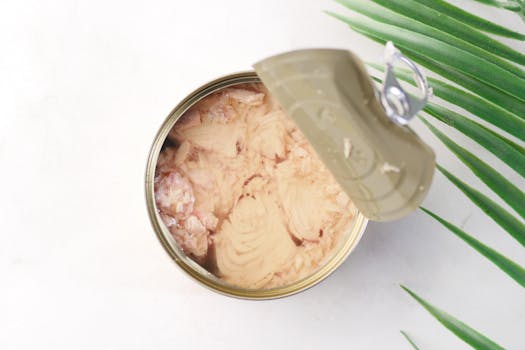
The diets react (see scores below)
Diet Ratings
Canned tuna in oil is nearly zero net carbs (0-1g per can), high in protein (20-25g), and the oil adds healthy fats. Minimal processing, no added sugars in quality brands. Ideal keto staple food.
Fish is animal flesh and explicitly excluded from vegan diet. No plant-based component changes this fundamental incompatibility.
Tuna is unprocessed fish, a paleo staple. Canning preserves it without adding grains, legumes, or dairy. Oil preservation is acceptable if it's olive oil or similar; seed oils lower the score slightly.
Fish is a Mediterranean diet staple recommended 2-3 times weekly. Canned tuna provides convenient access to omega-3 rich seafood. Oil preservation (often olive oil) aligns with diet principles. Minimal processing.
Tuna is a fatty fish (excellent carnivore protein source) and canned in oil (animal-compatible fat). Minimally processed, no plant-based additives. Verify oil is not seed oil; if in olive oil or similar plant oil, lower to score 6.
Canned tuna in oil is a whole, unprocessed protein source. Fish and natural fats are fully compliant. No excluded ingredients present.
Tuna and oil are low-FODMAP. Canning process does not introduce FODMAPs. Safe at any reasonable serving size.
Excellent lean protein and omega-3 source, but canned in oil adds unnecessary fat and sodium (200-400mg per can). Drain oil and rinse to reduce sodium. Oil-packed version less ideal than water-packed.
Excellent lean protein (~25g per can), omega-3 fatty acids (anti-inflammatory), and the oil provides monounsaturated/polyunsaturated fats. Minimal carbs. Ideal Zone protein block. Drain excess oil if concerned about fat portion.
Excellent source of omega-3 fatty acids (EPA and DHA) and high-quality protein. Oil preservation maintains fatty acid content. Canning process preserves nutrients. Minimal processing. Concerns about mercury are manageable with moderate consumption (2-3 servings weekly).
Excellent protein source (20g+ per can), but oil-packed versions contain 8-12g fat per serving. Draining oil reduces fat significantly. Canned tuna in water is preferable. Mercury content is a minor consideration with moderate consumption.
Some RDs accept oil-packed tuna as-is given the high protein density and omega-3 content, while others recommend draining or switching to water-packed versions to reduce saturated fat. The fat content is the primary point of disagreement.
Nutritional profile
Six traits that cut across every diet.
Fiber & Plants
How much whole-plant food and fiber it delivers.
Healthy Fats
The quality of its fats (unsaturated, omega-3).
Whole / Unprocessed
How close it is to its natural, unprocessed form.
Gut Gentle
How easy it is on digestion (low FODMAP, few irritants).
Low Glycemic
How little it spikes your blood sugar.
Protein Density
How much protein it packs per calorie.
Controversy Index
Score range: 1–9/10. Higher controversy = more disagreement between diets.
Diet-Specific Tips for Canned tuna (in oil)
 Keto — 9/10
- Zero net carbs
- High protein content
- Added fat from oil
- Minimal processing
 Paleo — 8/10
- unprocessed fish
- minimal processing
- check oil type (olive vs. seed oil)
- no additives (ideally)
 Mediterranean — 8/10
- seafood
- omega-3 fatty acids
- convenient
- minimal processing
- oil-preserved
 Carnivore — 8/10
- fatty fish (omega-3 rich)
- minimal processing
- verify oil source (animal fat preferred)
 Whole30 — 9/10
- Whole protein source
- Natural fat (oil)
- No excluded ingredients
- Minimally processed
 Low-FODMAP — 9/10
- Fish is low-FODMAP
- Oil is low-FODMAP
- No fermentable carbohydrates
 DASH — 5/10
- High sodium from canning
- Added oil increases calories
- Excellent protein source
- Omega-3 fatty acids present
 Zone — 8/10
- Lean protein source
- Omega-3 rich
- Low glycemic impact
- Convenient and shelf-stable
 Anti-Inflammatory — 7/10
- omega-3 fatty acids (EPA/DHA)
- high-quality protein
- minimal processing
- mercury content (manageable)
 GLP-1 Friendly — 5/10
- High protein density
- Excess fat from oil packing
- Easy to digest
- Convenient and shelf-stable
- Draining oil significantly improves profile