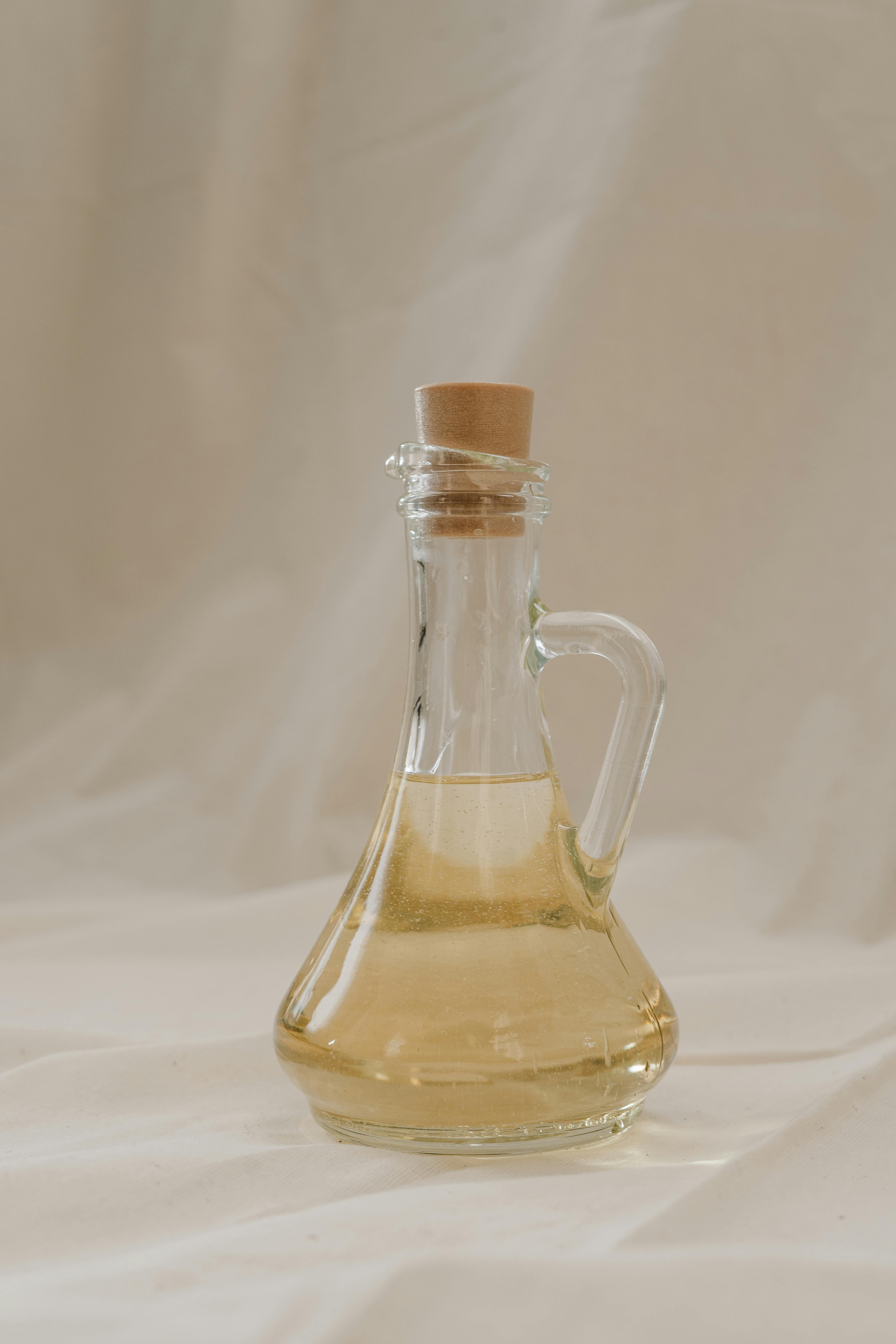
The diets react (see scores below)
Diet Ratings
Canola oil is zero carbs and 100% fat, but contains high omega-6 PUFA content. While technically keto-compatible, many keto practitioners prefer oils with better omega-3/omega-6 ratios.
Strict keto advocates minimize canola due to high omega-6 content and inflammatory potential; mainstream keto accepts it as carb-neutral, though coconut and avocado oils are preferred.
Plant-based oil from rapeseed. No animal products or derivatives. Minimal processing.
Canola oil is a seed oil explicitly excluded from paleo diet. Highly processed, high in omega-6 polyunsaturated fats, and often genetically modified. Universally avoided across all paleo schools.
Canola oil is a modern processed seed oil, not a Mediterranean ingredient. Extra virgin olive oil is the established primary fat source. Canola contradicts Mediterranean diet principles.
Canola oil is plant-derived from rapeseed. Carnivore diet excludes all plant oils and plant foods. Additionally, canola is highly processed and often contains inflammatory omega-6 polyunsaturated fats.
Canola oil is a compliant fat source with no excluded ingredients. While Whole30 emphasizes whole food fats, refined oils like canola are technically allowed.
Canola oil is pure fat with no carbohydrate content. It contains no FODMAPs and is suitable for all phases of the low-FODMAP diet.
Core DASH vegetable oil. Low in saturated fat, high in unsaturated fats including omega-3 ALA. Explicitly recommended in NIH DASH guidelines. Excellent for cooking and dressings.
Canola oil is ~60% monounsaturated but ~20% polyunsaturated (omega-6 heavy). While better than seed oils, it lacks the polyphenol content of olive or avocado oil. Refined canola is heavily processed. Zone practitioners prefer extra-virgin olive oil or avocado oil. Usable but not optimal.
Canola oil has a favorable omega-6 to omega-3 ratio (~2:1) compared to other seed oils, but anti-inflammatory guidelines recommend extra virgin olive oil as primary fat source. High in omega-6 polyunsaturated fats; regular use may promote inflammatory balance shift.
Dr. Weil's pyramid does not explicitly condemn canola oil as problematic; some mainstream nutrition authorities (AHA) consider it acceptable. However, strict anti-inflammatory protocols prefer olive oil, avocado oil, or coconut oil.
Canola oil is 100% fat (120 calories per tablespoon) with zero protein or fiber. Contains omega-3 fatty acids (2g per tablespoon) and favorable unsaturated fat profile (62% monounsaturated). Better than saturated alternatives, but still high-fat and calorie-dense. Use sparingly for cooking only.
Some GLP-1 RDs accept canola oil in measured amounts for cooking due to omega-3 content and unsaturated profile; others recommend avoiding all oils and using cooking sprays, water, or broth to minimize fat intake and prevent GI distress.
Nutritional profile
Six traits that cut across every diet.
Fiber & Plants
How much whole-plant food and fiber it delivers.
Healthy Fats
The quality of its fats (unsaturated, omega-3).
Whole / Unprocessed
How close it is to its natural, unprocessed form.
Gut Gentle
How easy it is on digestion (low FODMAP, few irritants).
Low Glycemic
How little it spikes your blood sugar.
Protein Density
How much protein it packs per calorie.
Controversy Index
Score range: 1–9/10. Higher controversy = more disagreement between diets.
Diet-Specific Tips for Canola oil
 Keto — 5/10
- Zero net carbs
- High omega-6 polyunsaturated fat ratio
- Inflammatory concerns for some practitioners
 Vegan — 8/10
- 100% plant-based
- Minimal processing
- Neutral flavor
- GMO concerns secondary to vegan status
 Whole30 — 8/10
- No excluded ingredients
- Refined oil
- Whole30 compatible
 Low-FODMAP — 9/10
- Pure fat, no carbohydrates
- No FODMAP content
- Unlimited use permitted
 DASH — 9/10
- Low saturated fat
- High unsaturated fat
- Contains omega-3 ALA
- Explicitly DASH-recommended
- Versatile cooking oil
 Zone — 5/10
- Significant polyunsaturated fat (omega-6)
- Heavily refined/processed
- Lacks polyphenols
- Less anti-inflammatory than alternatives
 Anti-Inflammatory — 5/10
- omega-6 polyunsaturated fat content
- relatively low omega-6:omega-3 ratio among seed oils
- refined processing typical of commercial canola
- not emphasized in Weil's pyramid
 GLP-1 Friendly — 5/10
- 100% fat
- unsaturated fat profile favorable
- omega-3 content
- zero protein
- zero fiber
- calorie-dense
- portion-sensitive