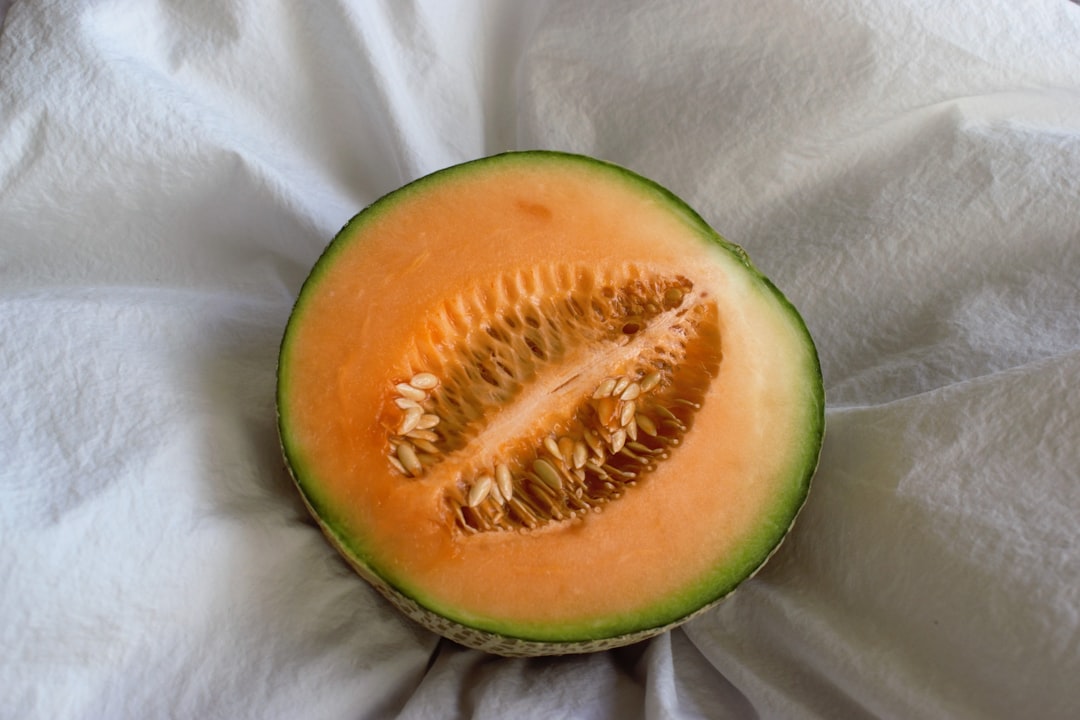
The diets react (see scores below)
Diet Ratings
One cup of cantaloupe contains approximately 13g net carbs, which alone consumes 26-65% of daily keto carb allowance. High natural sugar content makes it incompatible with ketosis maintenance.
Whole plant fruit with no animal products or derivatives. Nutrient-dense and minimally processed.
Cantaloupe is a whole fruit available to Paleolithic humans. Rich in vitamins A and C, potassium, and water. Unprocessed and naturally occurring.
Fresh fruit rich in vitamins A and C, fiber, and antioxidants. Aligns with Mediterranean emphasis on whole fruits consumed daily. Low in calories, no added sugars.
Cantaloupe is a fruit composed primarily of carbohydrates and plant sugars. Carnivore diet excludes all plant foods, including fruits. No animal-derived nutrients justify inclusion.
Whole fruit with no added ingredients. Naturally compliant as a fruit.
Monash University has tested cantaloupe and confirmed it is low-FODMAP at standard serving sizes (approximately 200g). Contains minimal fructans and polyols.
Excellent DASH fruit. Low sodium, high potassium, rich in vitamin A and fiber. Supports blood pressure control and cardiovascular health.
Moderate glycemic index for a fruit; higher sugar content than berries. One serving (1 cup) contains ~12g carbs. Usable in Zone but requires precise portioning to maintain 40/30/30 ratio. Better as occasional choice than daily staple.
Rich in vitamin C, beta-carotene, and antioxidants. Low glycemic index, high water content, minimal inflammatory markers. Supports antioxidant defense.
High water content (90%) supports hydration and is easy to digest, but low protein (1.5g per cup) and moderate natural sugars (13g per cup) make it portion-dependent. Best as a small side rather than a meal component. Nutrient density per calorie is moderate.
Nutritional profile
Six traits that cut across every diet.
Fiber & Plants
How much whole-plant food and fiber it delivers.
Healthy Fats
The quality of its fats (unsaturated, omega-3).
Whole / Unprocessed
How close it is to its natural, unprocessed form.
Gut Gentle
How easy it is on digestion (low FODMAP, few irritants).
Low Glycemic
How little it spikes your blood sugar.
Protein Density
How much protein it packs per calorie.
Controversy Index
Score range: 1–9/10. Higher controversy = more disagreement between diets.
Diet-Specific Tips for Cantaloupe
 Vegan — 9/10
- 100% plant-based
- Whole food
- No processing required
 Paleo — 8/10
- Whole fruit
- High water content
- Natural sugars
- Micronutrient-dense
 Mediterranean — 8/10
- whole fruit
- high in vitamins and minerals
- natural sugars only
- eaten fresh
 Whole30 — 9/10
- Whole fruit
- No added sugar
- Natural carbohydrates
 Low-FODMAP — 8/10
- Low fructose content relative to serving size
- Minimal polyol content
- Monash-tested and approved
 DASH — 9/10
- Low sodium
- High potassium
- Rich in vitamin A
- Good fiber content
- Low calorie density
 Zone — 5/10
- moderate glycemic load
- natural sugars present
- requires careful portion control
- counts toward 2 fruit servings/day limit
 Anti-Inflammatory — 8/10
- High in vitamin C
- Beta-carotene (antioxidant)
- Low glycemic index
- Minimal added sugars
 GLP-1 Friendly — 5/10
- high water content
- low protein
- moderate natural sugar
- easy to digest
- low calorie density