The diets react (see scores below)
Diet Ratings
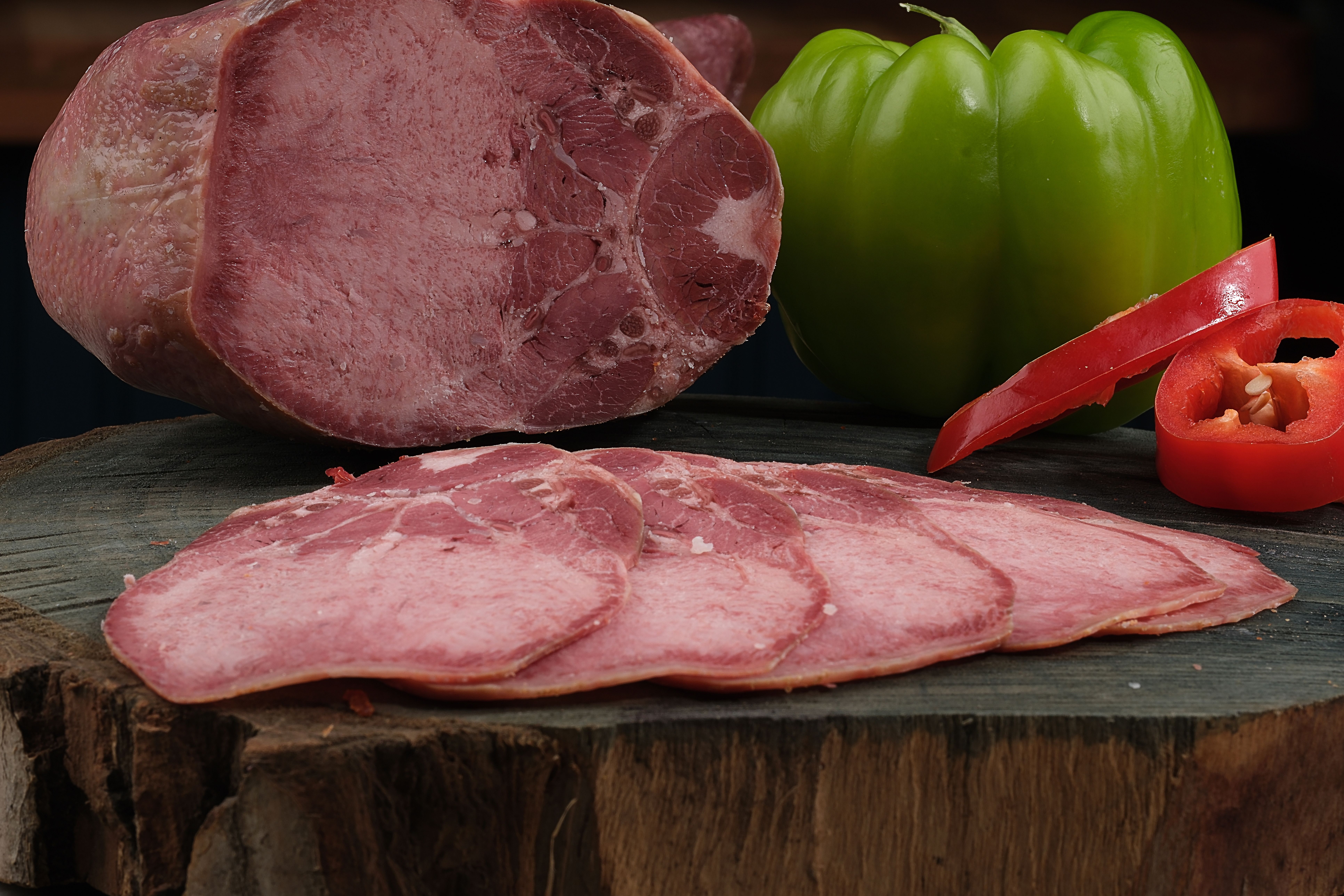
Capicola is a cured pork product with virtually zero carbohydrates and high fat content. It's an ideal keto-friendly processed meat for snacking or adding to meals.
Capicola is cured pork meat. Contains animal flesh, which is explicitly excluded from vegan diet. Non-negotiable animal product.
Capicola is a cured, processed pork product containing added salt, nitrates/nitrites, and preservatives. While the base meat is paleo-approved, the processing and additives create a gray area.
Strict paleo excludes all processed meats due to added salt and curing agents, while some modern paleo practitioners accept occasional consumption of minimally-processed cured meats from quality sources.
Capicola is a cured, processed pork product high in sodium, saturated fat, and preservatives. Processed meats are strongly discouraged in Mediterranean diet due to health risks and processing methods.
Cured pork product that is animal-derived but processed. Quality depends heavily on ingredients—some versions contain sugar, nitrates, and spices. Pure versions with salt and meat only would be acceptable.
Strict carnivore practitioners avoid cured meats due to processing, additives, and potential inflammatory compounds. Others accept quality cured meats as part of a practical carnivore approach.
Capicola is cured pork, which is compliant. However, many commercial varieties contain added sugar, nitrates, or other additives. Quality and ingredient sourcing are critical.
Official Whole30 guidance suggests checking labels for added sugar and unnecessary additives. Uncured or minimally processed versions are preferred, though technically compliant versions exist.
Capicola (cured pork) is low-FODMAP. It is a processed meat with minimal carbohydrates and no fermentable sugars. Verify no added garlic or onion in curing process.
Processed cured meat with extremely high sodium (400-500mg per ounce), high saturated fat, and cholesterol. Contradicts DASH principles on processed meats.
Capicola is processed cured meat, high in saturated fat (~15g per 28g), sodium, and nitrates. Minimal nutritional benefit relative to Zone goals. Dr. Sears emphasizes avoiding processed meats; capicola provides poor fat profile and inflammatory potential. One ounce = ~1.5 fat blocks (saturated) + 6g protein.
Capicola is a cured, processed pork product high in saturated fat, sodium, and nitrates. Processed and cured meats are among the most inflammatory foods, with strong epidemiological evidence linking consumption to systemic inflammation and disease.
Capicola (cured pork) is high in saturated fat (8-10g per 2 oz), sodium (600-800mg per 2 oz), and processed meat additives (nitrates). Protein is moderate (10-12g per 2 oz). The high fat and sodium worsen GLP-1 side effects and provide poor nutrient density per calorie. It is a processed meat with limited micronutrient value. Lean, unprocessed proteins are strongly preferred.
Nutritional profile
Six traits that cut across every diet.
Fiber & Plants
How much whole-plant food and fiber it delivers.
Healthy Fats
The quality of its fats (unsaturated, omega-3).
Whole / Unprocessed
How close it is to its natural, unprocessed form.
Gut Gentle
How easy it is on digestion (low FODMAP, few irritants).
Low Glycemic
How little it spikes your blood sugar.
Protein Density
How much protein it packs per calorie.
Controversy Index
Score range: 1–9/10. Higher controversy = more disagreement between diets.
Diet-Specific Tips for Capicola
 Keto — 9/10
- 0g net carbs
- High fat content
- High protein
- Minimal processing concerns for keto
 Paleo — 4/10
- Processed meat
- Added salt and nitrates
- Curing preservatives
- Not whole food
 Carnivore — 5/10
- processed/cured meat
- often contains added sugar
- nitrates and preservatives
- spices typically included
- ingredient quality varies by brand
 Whole30 — 5/10
- Meat-based (compliant)
- Often contains added sugar
- Curing process may include additives
- Label-dependent
 Low-FODMAP — 9/10
- Cured meat with minimal carbs
- No fermentable oligosaccharides
- Verify no garlic/onion in ingredients
- Standard serving well-tolerated