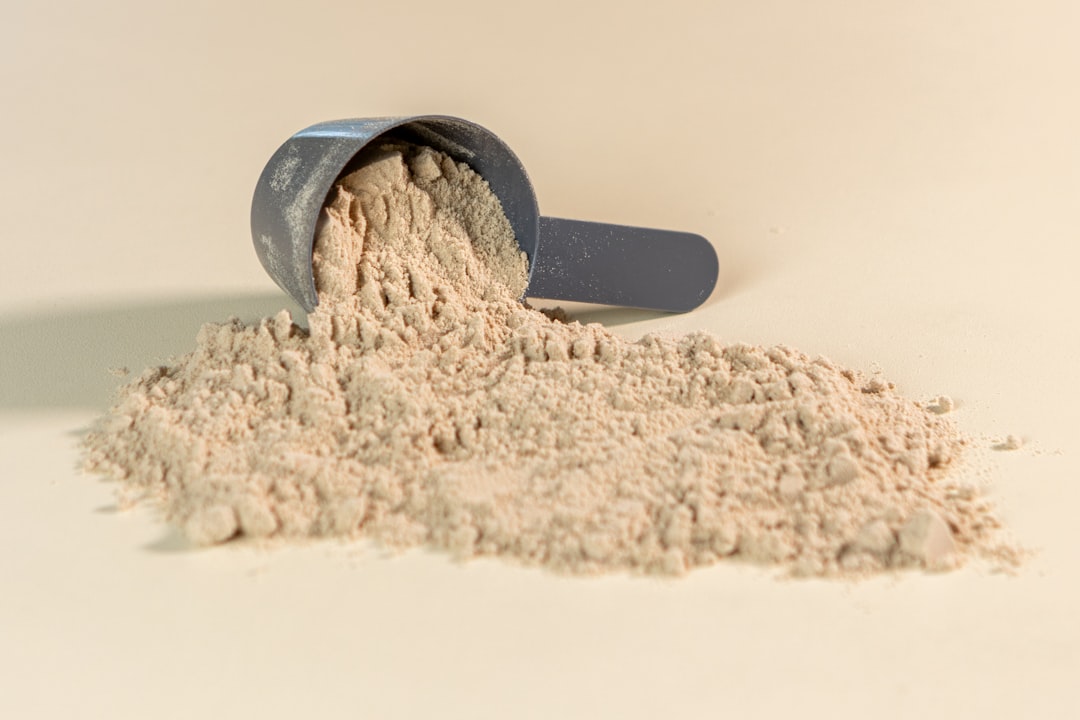
Casein protein powder
Rated by 11 diets
The diets react (see scores below)
Diet Ratings
Pure casein powder contains <1g net carbs per serving, high protein, and slow digestion beneficial for satiety. Excellent keto supplement. Verify no added sugars on label.
Casein is a milk protein, a direct dairy product explicitly excluded from vegan diet.
Casein is a dairy protein isolate. While ghee (dairy fat with casein/lactose removed) is debated, casein protein powder is a concentrated dairy product that violates paleo's dairy exclusion.
Isolated dairy protein supplement. While dairy is acceptable in Mediterranean diet, whole food sources (yogurt, cheese) are preferred. Supplement form is processed and not a traditional food.
Some sports nutrition experts within Mediterranean diet framework accept casein powder as practical protein source for muscle maintenance, particularly for older adults.
Casein is animal-derived dairy protein. However, most commercial powders contain additives, sweeteners, and plant-based thickeners. Pure casein isolate with minimal additives is acceptable.
Strict carnivore practitioners avoid all dairy including casein powder, citing inflammatory potential and non-ruminant processing. Dairy-inclusive carnivores accept it if pure and minimally processed.
Casein is a dairy protein derived from milk. Dairy is explicitly excluded from Whole30 for the full 30 days. Casein protein powder is not compliant.
Pure casein is low-FODMAP, but commercial powders often contain additives, sweeteners (sorbitol, xylitol), or flavorings with FODMAP content. Unflavored casein safer.
Monash University has tested plain casein as low-FODMAP; however, flavored versions and additives create uncertainty; practitioners recommend unflavored or checking ingredient lists carefully.
Excellent protein source supporting DASH muscle maintenance and satiety. Low sodium and fat when unflavored. Derived from milk (calcium source). Supports cardiovascular health through protein intake. Choose unsweetened varieties to minimize added sugars.
Updated clinical interpretation supports casein as DASH-compatible; however, some clinicians debate whether isolated protein powders align with DASH emphasis on whole foods. NIH DASH guidelines focus on whole food sources but do not explicitly exclude protein supplements.
Pure lean protein source (~25g per scoop, minimal fat/carbs). Slow-digesting casein supports satiety. Excellent Zone building block when paired with low-glycemic carbs and monounsaturated fat.
Casein is a whole dairy protein with some anti-inflammatory properties (bioactive peptides). However, processing and additives vary. Some individuals have inflammatory responses to dairy. Quality and added ingredients determine overall profile.
AIP protocol eliminates all dairy including casein due to potential inflammatory response in sensitive individuals. Mainstream anti-inflammatory diet moderates dairy. Some sports nutritionists favor casein for muscle recovery.
High protein density (25-30g per scoop), slow-digesting supports sustained fullness, easy to mix into shakes or oatmeal, nutrient-dense per calorie. Particularly useful for evening meals or when sustained satiety is needed. Minimal fat when unflavored.
Nutritional profile
Six traits that cut across every diet.
Fiber & Plants
How much whole-plant food and fiber it delivers.
Healthy Fats
The quality of its fats (unsaturated, omega-3).
Whole / Unprocessed
How close it is to its natural, unprocessed form.
Gut Gentle
How easy it is on digestion (low FODMAP, few irritants).
Low Glycemic
How little it spikes your blood sugar.
Protein Density
How much protein it packs per calorie.
Controversy Index
Score range: 1–8/10. Higher controversy = more disagreement between diets.
Diet-Specific Tips for Casein protein powder
 Keto — 8/10
- <1g net carbs per serving
- High protein content
- Slow digestion/satiety
- Minimal processing
- Verify no added sugars
 Mediterranean — 4/10
- Isolated nutrient
- Processed supplement
- Dairy source acceptable
- Whole food alternatives preferred
 Carnivore — 6/10
- animal-derived dairy protein
- often contains additives
- brand and ingredient quality critical
- dairy debate within community
 Low-FODMAP — 4/10
- Plain casein is low-FODMAP
- Sweeteners and flavorings problematic
- Unflavored versions preferred
- Brand-specific formulation matters
 DASH — 8/10
- High protein
- Low sodium (unflavored)
- Calcium source
- Minimal processing if unflavored
 Zone — 8/10
- Lean protein foundation
- Minimal carbohydrate
- Slow-digesting properties
- Versatile for meal construction
 Anti-Inflammatory — 5/10
- Whole dairy protein source
- Bioactive peptides present
- Individual dairy sensitivity varies
- Processing and additives matter
- Slow digestion beneficial for some
 GLP-1 Friendly — 8/10
- high protein density
- slow-digesting
- sustained satiety
- convenient
- versatile
- nutrient-dense