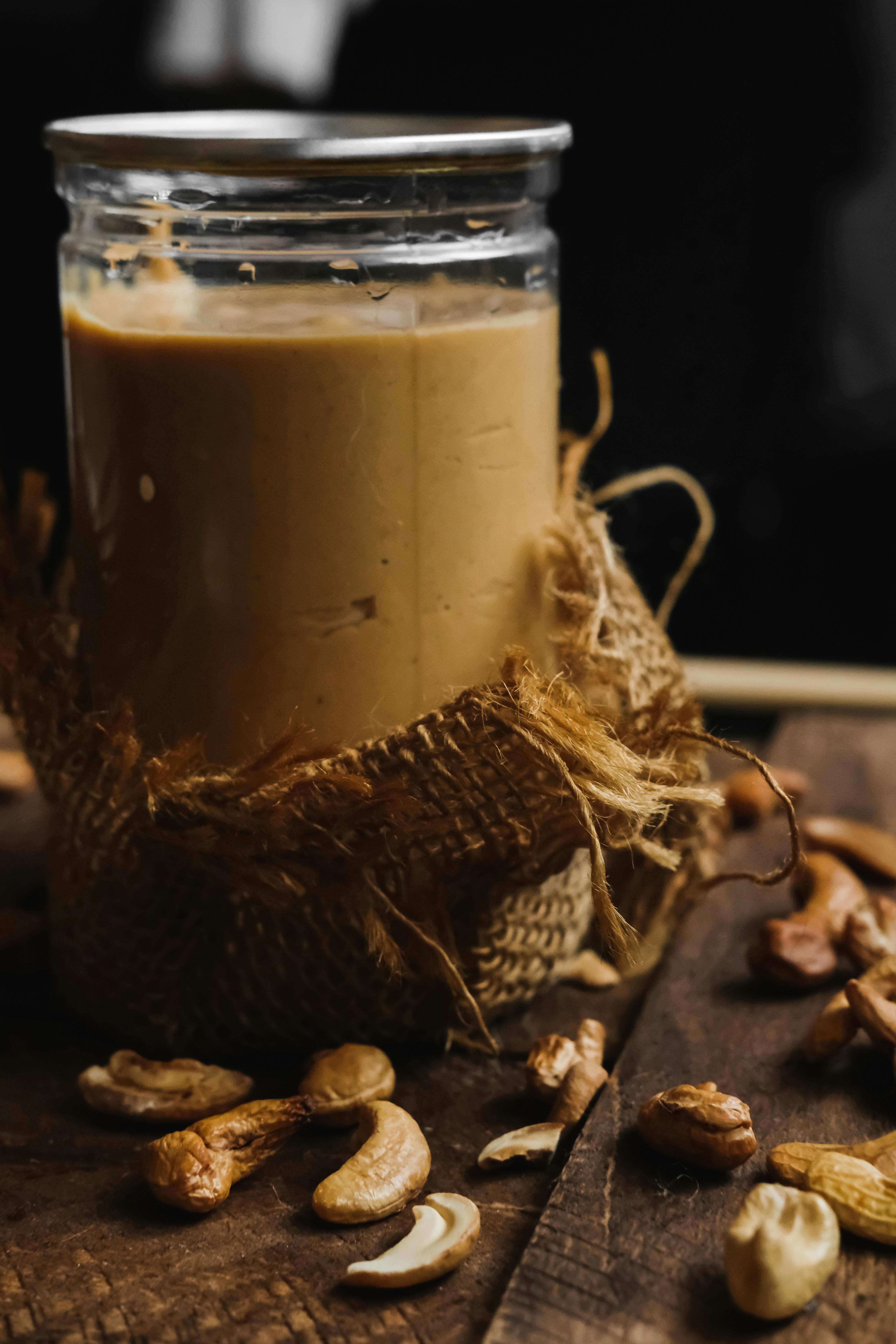
The diets react (see scores below)
Diet Ratings
Cashews are higher in carbs than other nuts (8g net carbs per 2 tbsp). Portion control essential. Better alternatives exist (almond, macadamia butter).
Pure plant-based nut butter made from cashews. Whole food with minimal processing when unsweetened. Excellent protein and fat source for vegans.
Cashews are tree nuts available to hunter-gatherers. Cashew butter is minimally processed (ground nuts only) with no added oils, grains, or legumes. Nutrient-dense and paleo-compliant.
Nuts and nut butters are encouraged in Mediterranean diet, but cashew butter is calorie-dense and often contains added oils or sugars in commercial versions. Whole nuts or traditional Mediterranean nut butters (almond) are preferred. Use sparingly as a condiment rather than staple.
Cashews are tree nuts (plant-derived). Cashew butter is entirely plant-based and explicitly excluded from carnivore diet regardless of processing method.
Pure cashew butter with no added sugar or prohibited ingredients is Whole30 compliant. Nuts and nut butters are allowed foods. Verify ingredient list contains only cashews and salt.
Monash rates cashews as low-FODMAP at 23g (1 oz). Cashew butter concentration means portion control is critical. Exceeding 1-2 tablespoons risks fructan and polyol overload.
Some practitioners allow up to 2 tablespoons freely; Monash recommends stricter portion limits due to cumulative FODMAP density in nut butters.
Good source of magnesium and potassium, but high in total fat (16g per 2 tbsp) and calories. DASH includes nuts/seeds but emphasizes moderation. Unsalted versions preferred to control sodium.
Cashews contain more carbs than other nuts (8g per ounce) and are higher in omega-6 polyunsaturated fat. While providing fat and some protein, the carb content and less favorable fat profile than macadamia or almond butter make it less ideal. Usable in small portions but requires careful measurement.
Cashews contain moderate omega-6 fatty acids and are calorie-dense, but offer magnesium, copper, and some polyphenols. The omega-6 to omega-3 ratio is less favorable than walnuts or flaxseed. Acceptable in small portions as part of a balanced diet, but not a primary anti-inflammatory nut butter.
Some nutritionists emphasize cashews' mineral content and argue that in moderation (1-2 tablespoons daily), the micronutrient benefits justify inclusion. Dr. Weil does not explicitly restrict cashews.
High fat (16g per 2 tbsp) and calorie-dense (190 cal per 2 tbsp) despite moderate protein (6g). Unsaturated fats are preferable to saturated, but portion control is critical. High fat content may worsen nausea/bloating. Better alternatives exist (almond, sunflower seed butter).
Nutritional profile
Six traits that cut across every diet.
Fiber & Plants
How much whole-plant food and fiber it delivers.
Healthy Fats
The quality of its fats (unsaturated, omega-3).
Whole / Unprocessed
How close it is to its natural, unprocessed form.
Gut Gentle
How easy it is on digestion (low FODMAP, few irritants).
Low Glycemic
How little it spikes your blood sugar.
Protein Density
How much protein it packs per calorie.
Controversy Index
Score range: 1–9/10. Higher controversy = more disagreement between diets.
Diet-Specific Tips for Cashew butter
 Keto — 5/10
- 8g net carbs per 2 tbsp serving
- Higher carb nut
- Calorie-dense
- Requires strict portioning
 Vegan — 9/10
- 100% plant-based
- Whole food
- Nutrient-dense
 Paleo — 8/10
- tree nut
- minimally processed
- no seed oils
- nutrient-dense
 Mediterranean — 5/10
- high caloric density
- often contains added oils
- potential added sugars
- nuts are encouraged but whole form preferred
 Whole30 — 9/10
- Nut-based
- Whole food
- No added sugar
 Low-FODMAP — 5/10
- Portion-dependent (max ~1-2 tablespoons per serving)
- Concentrated source of cashew FODMAPs
- Fructans and polyols present
 DASH — 5/10
- High total fat but mostly unsaturated
- Rich in magnesium and potassium
- Calorie-dense
- Sodium varies by brand
 Zone — 6/10
- Higher carb content than preferred nuts
- Omega-6 polyunsaturated fat (not monounsaturated)
- Calorie-dense requiring small portions
- Protein modest relative to fat
 Anti-Inflammatory — 5/10
- Moderate omega-6 content
- Good source of magnesium and copper
- Higher calorie density than other nut butters
- Minimal omega-3 content
 GLP-1 Friendly — 4/10
- high fat content
- calorie-dense
- moderate protein
- portion-dependent
- may worsen GI side effects