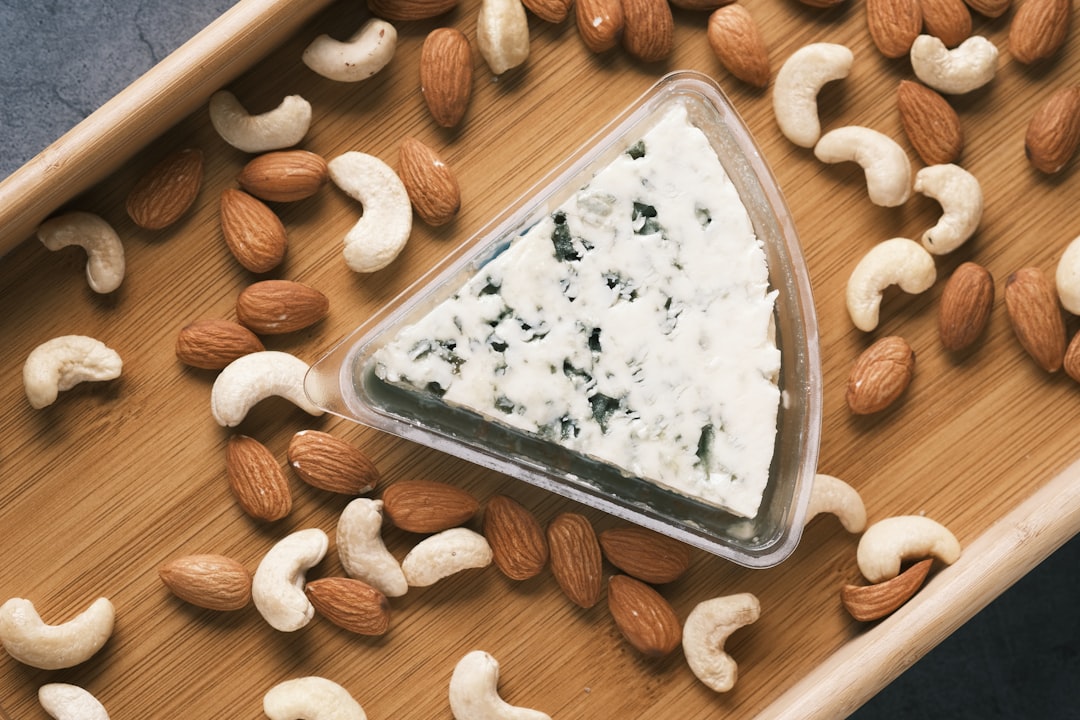
The diets react (see scores below)
Diet Ratings
Cashews are relatively high-carb nuts (8-9g net carbs per ounce). Cheese versions add starches and fillers, pushing carbs higher. Incompatible with keto carb targets.
Cashew cheese is made from blended cashews, plant-based, and minimally processed. Approved by all vegan organizations, though some whole-food advocates prefer whole nuts.
Cashews are tree nuts (paleo-approved), but cashew cheese is a processed product with added ingredients (starches, gums, oils, salt, flavorings). While ingredients may be paleo-compliant, the processing contradicts paleo philosophy. Acceptable occasionally but not ideal.
Some paleo practitioners accept minimally-processed cashew cheese (cashews + salt only) as a dairy-free alternative, particularly those following a more flexible interpretation of paleo.
Cashew cheese is a processed plant-based alternative lacking the probiotics and nutrients of traditional cheese. While nuts are Mediterranean-approved, the processed cheese form with additives contradicts principles. Whole cashews or traditional dairy cheese preferred.
Some modern Mediterranean diet practitioners accept cashew cheese as a dairy-free alternative for those with lactose intolerance or vegan preferences, though traditional Mediterranean cuisine emphasizes whole nuts and fermented dairy.
Cashew cheese is made from cashews (tree nuts, plant-derived). Cheese alternative with plant-based ingredients. Completely plant-derived and excluded from carnivore diet.
Cashew cheese made from whole cashews with no added ingredients is technically compliant (cashews are allowed). However, it recreates a dairy product and may conflict with Whole30's spirit of eating whole foods rather than recreating excluded foods.
Melissa Urban's official guidance discourages recreating dairy products, even with compliant ingredients. Some community members argue that cashew-based spreads are acceptable as whole-food derivatives, while others view them as violating the spirit of the program.
Cashew cheese varies by brand. Cashews themselves are low-FODMAP at 1 oz (23g), but larger portions and added ingredients (garlic, onion, starches) often make products problematic. Individual product assessment required.
Monash University rates cashews as low-FODMAP only at 1 oz servings. Commercial cashew cheese products frequently exceed this portion and contain garlic or onion-based flavorings, making them high-FODMAP.
Plant-based cheese alternative; sodium content varies widely (200-600mg per serving). Often high in saturated fat from cashews and added oils. Less processed than dairy cheese but nutrient profile less favorable than whole nuts. Portion control essential.
NIH DASH guidelines prefer low-fat dairy; updated clinical interpretation accepts cashew cheese if sodium <300mg/serving and saturated fat <2g/serving, though whole nuts remain preferred.
Provides fat (~14g per ounce) and modest protein (~5g). However, high omega-6 content and processing reduce Zone alignment. Carb content varies by brand (0-3g). Usable as fat block but not ideal monounsaturated source.
Dr. Sears prefers olive oil, avocado, or macadamia nuts for monounsaturated fat. Cashew cheese's processing and omega-6 load make it secondary.
Cashews are relatively anti-inflammatory (polyphenols, minerals), but cheese products are processed with additives, starches, and often seed oils. Lacks the probiotic benefits of fermented dairy. Inflammatory profile is neutral to slightly concerning depending on formulation.
Some plant-based advocates view cashew cheese as acceptable dairy alternative. However, anti-inflammatory purists prefer whole cashews or fermented options.
Cashew cheese is plant-based but typically high in fat (8-12g per serving) from cashews and added oils, with moderate protein (2-4g per serving). Ultra-processed with additives and binders. High calorie density relative to protein content makes it poor value for GLP-1 patients. May trigger nausea due to fat content. Better alternatives exist for both cheese flavor and nutritional needs.
Some GLP-1 patients find cashew cheese helpful for meal variety and satisfaction, particularly those avoiding dairy. However, most RDs recommend whole nuts in small portions or dairy cheese in moderation as nutritionally superior alternatives with better protein-to-fat ratios.
Nutritional profile
Six traits that cut across every diet.
Fiber & Plants
How much whole-plant food and fiber it delivers.
Healthy Fats
The quality of its fats (unsaturated, omega-3).
Whole / Unprocessed
How close it is to its natural, unprocessed form.
Gut Gentle
How easy it is on digestion (low FODMAP, few irritants).
Low Glycemic
How little it spikes your blood sugar.
Protein Density
How much protein it packs per calorie.
Controversy Index
Score range: 1–7/10. Higher controversy = more disagreement between diets.
Diet-Specific Tips for Cashew cheese
 Vegan — 7/10
- Plant-derived (cashews)
- Minimal processing
- No animal products or derivatives
- Whole-food friendly
 Paleo — 5/10
- Nut-based (acceptable base)
- Processed product
- Additive content varies by brand
 Mediterranean — 4/10
- Processed nut product
- Lacks probiotic benefits
- Contains additives
- Whole nuts preferred
 Whole30 — 5/10
- Recreates excluded food (cheese)
- Made from whole cashews
- No excluded ingredients if pure
- Spirit of program concern
 Low-FODMAP — 5/10
- Cashew portion-restricted (1 oz max)
- Often contains garlic or onion flavoring
- Added starches and binders variable
- Brand-dependent
 DASH — 5/10
- variable sodium
- high saturated fat
- processed nuts
- added oils
- portion sensitive
 Zone — 5/10
- High omega-6
- Processed
- Modest protein
- Carb variable
 Anti-Inflammatory — 5/10
- Cashew base has some polyphenols
- Heavily processed
- Contains additives and starches
- Often contains seed oils
- Lacks probiotic benefits
 GLP-1 Friendly — 4/10
- high fat content
- low protein density
- ultra-processed
- high calorie density
- may trigger nausea