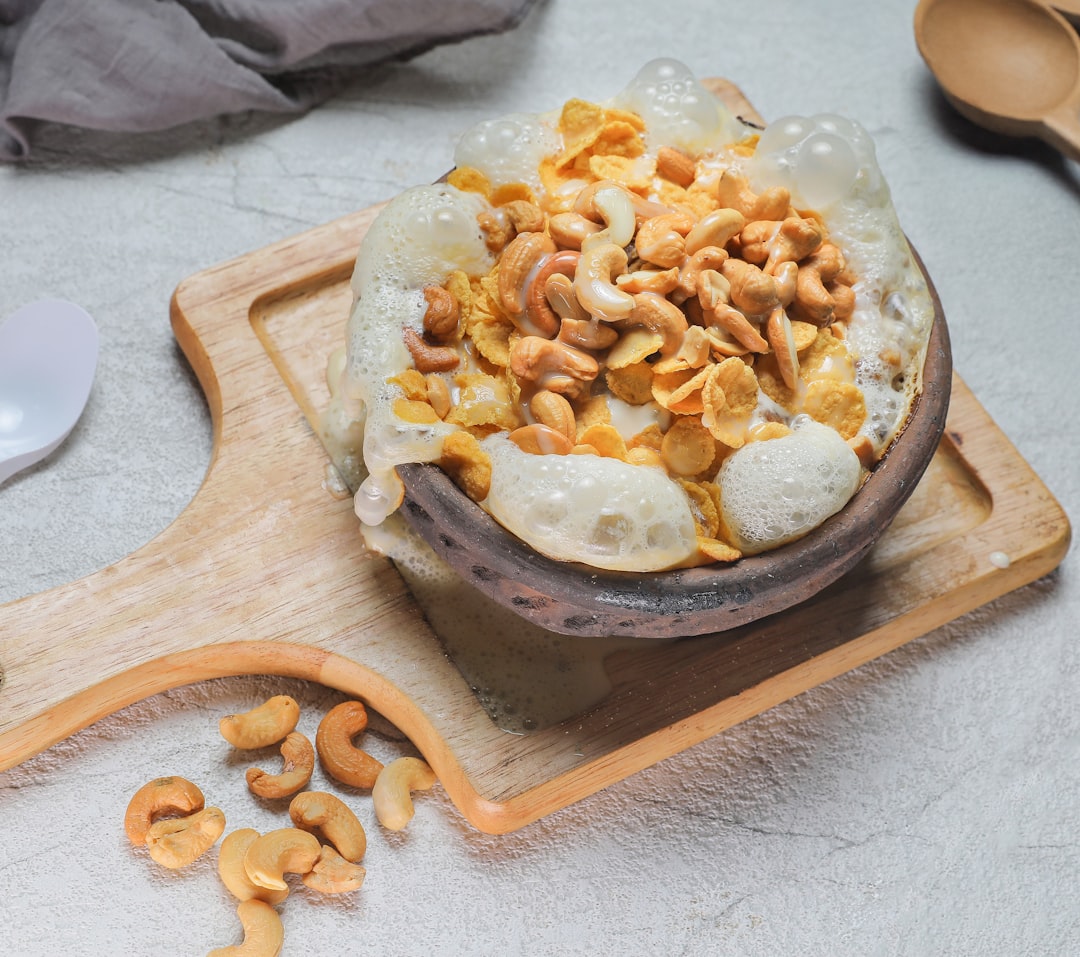
The diets react (see scores below)
Diet Ratings
Unsweetened cashew milk contains 0.5-1g net carbs per cup but is lower in fat than full-fat almond or coconut milk. Acceptable for keto but not optimal due to lower fat content. Some prefer it for taste; others prioritize higher-fat alternatives.
Strict keto practitioners prefer full-fat coconut or almond milk over cashew milk due to superior fat content and macronutrient ratios, viewing cashew milk as suboptimal.
Plant-based milk alternative made from cashews and water. Fully compliant with vegan diet. Whole food-based with minimal processing in unsweetened versions.
Plant-based milk alternative made from cashews (paleo-approved nuts) but typically processed with additives, gums, and sweeteners. Unsweetened, additive-free versions are closer to paleo-compliant, but processing contradicts paleo philosophy.
Some paleo practitioners accept unsweetened, minimally-processed cashew milk as a reasonable dairy alternative. However, strict interpretations view all processed milk alternatives as non-paleo due to additives and processing.
Highly processed with minimal nutritional benefit. Low in protein and often high in added sugars. Whole cashews are preferred in Mediterranean diet; cashew milk contradicts whole food emphasis.
Some plant-based Mediterranean interpretations may accept unsweetened cashew milk as an occasional alternative, though whole nuts remain preferred.
Plant-derived beverage made from cashews (seeds/nuts). Violates carnivore diet principle of excluding all plant foods, nuts, and seeds.
Cashew milk is a non-dairy plant-based beverage made from cashews and water. It contains no excluded ingredients and is explicitly compliant with Whole30 guidelines when unsweetened or sweetened with compliant sweeteners.
Cashew milk is low-FODMAP at restricted portions but may contain added ingredients. Monash testing shows low-FODMAP status at ¾ cup (180ml), with higher amounts potentially problematic depending on additives.
Some practitioners consider cashew milk universally low-FODMAP; however, Monash University recommends checking for added high-FODMAP sweeteners or thickeners and limiting to ¾ cup.
Low sodium and low saturated fat, but minimal protein (1g per cup) and calcium unless fortified. Fortified versions acceptable. Less nutrient-dense than soy or dairy milk. Acceptable as occasional alternative but not primary dairy source.
Updated clinical interpretation suggests cashew milk's low protein content makes it less suitable as primary dairy replacement compared to soy or fortified plant-based alternatives, despite favorable fat/sodium profile.
Very low protein (0.6g per cup) with moderate carbs (8g per cup). Primarily a fat source (2.5g per cup, mostly monounsaturated). Insufficient protein for meal building; better as beverage only. Unsweetened varieties required.
Plant-based alternative with minimal protein and limited anti-inflammatory compounds. Cashews contain some polyphenols but milk form is diluted. Neutral inflammatory profile. Acceptable but less beneficial than soy, oat, or almond milk.
Some view cashew milk favorably for its creamy texture and minimal processing compared to other plant milks, though nutritional density remains lower.
Cashew milk is low in protein (1g per cup) and typically contains added sugars and processed additives. While hydrating, it provides minimal nutritional value for GLP-1 patients who need calorie-efficient nutrition. Better alternatives exist for both protein and hydration.
Some RDs view cashew milk as an acceptable hydration choice if unsweetened; others note that the minimal protein and processed additives make it a poor choice compared to soy milk or whole-food alternatives for GLP-1 patients.
Nutritional profile
Six traits that cut across every diet.
Fiber & Plants
How much whole-plant food and fiber it delivers.
Healthy Fats
The quality of its fats (unsaturated, omega-3).
Whole / Unprocessed
How close it is to its natural, unprocessed form.
Gut Gentle
How easy it is on digestion (low FODMAP, few irritants).
Low Glycemic
How little it spikes your blood sugar.
Protein Density
How much protein it packs per calorie.
Controversy Index
Score range: 1–9/10. Higher controversy = more disagreement between diets.
Diet-Specific Tips for Cashew milk
 Keto — 6/10
- 0.5-1g net carbs per cup (unsweetened)
- Lower fat content than alternatives
- Acceptable carb profile
- Taste preference varies
 Vegan — 9/10
- 100% plant-based
- No animal-derived ingredients
- Whole food source (cashews)
 Paleo — 5/10
- Plant-based alternative
- Often contains additives and gums
- Cashews are paleo-approved
- Processing level varies by brand
- Sweetened versions should be avoided
 Whole30 — 9/10
- Non-dairy
- Plant-based
- Whole food ingredient
- Verify no added sugar or excluded additives
 Low-FODMAP — 5/10
- Portion cutoff at ¾ cup
- Variable additives across brands
- Check ingredient list for high-FODMAP additions
 DASH — 5/10
- Very low sodium
- Low saturated fat
- Low protein content
- Requires fortification for calcium
- Choose fortified varieties
- Limited nutrient density
 Zone — 5/10
- Minimal protein content
- Moderate carbohydrate level
- Monounsaturated fat source
- Limited meal-building utility
 Anti-Inflammatory — 5/10
- Low protein content
- Minimal anti-inflammatory compounds
- Low saturated fat
- Limited bioactive compounds
- Neutral inflammatory profile
 GLP-1 Friendly — 4/10
- very low protein
- added sugars in most brands
- processed additives
- minimal nutritional value
- hydration only