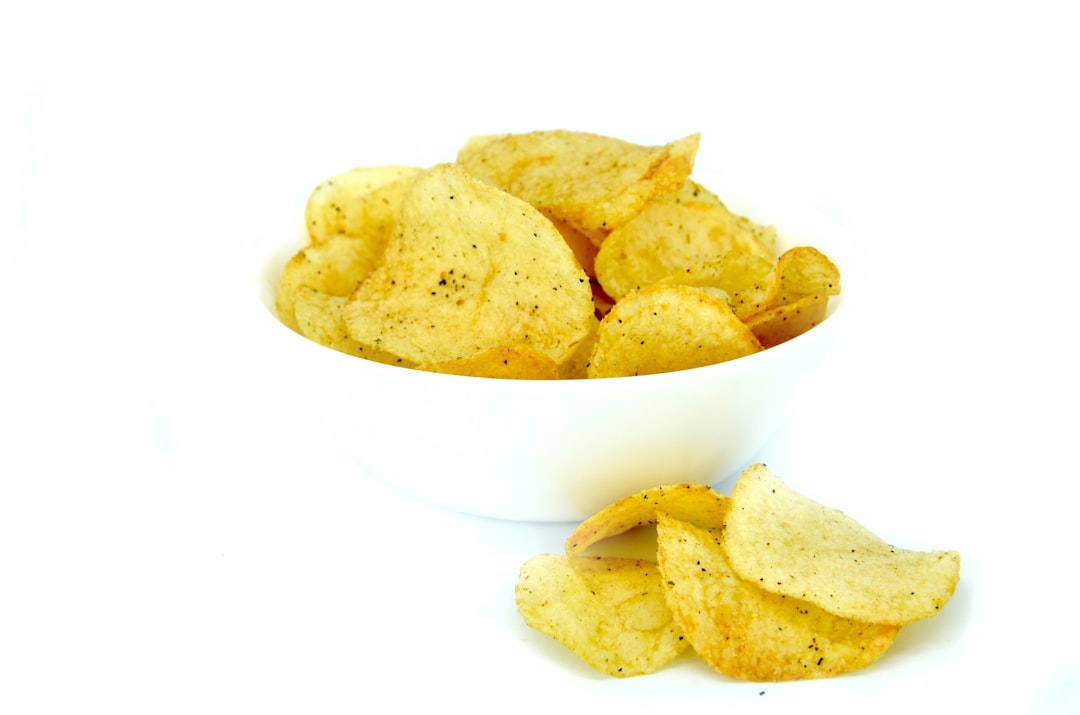
The diets react (see scores below)
Diet Ratings
Cassava is a starchy root vegetable with ~8g net carbs per ounce. Chips are processed and calorie-dense, making them incompatible with ketogenic macros.
Cassava root is plant-based, but commercial chips are deep-fried in oil with added salt and seasonings. Better than many snacks but still processed.
Cassava is a tuber (generally paleo-approved), but commercial cassava chips are typically fried in seed oils and contain added salt. If made with animal fat or approved oils and no additives, would be acceptable. Most commercial versions violate paleo due to preparation method.
Some paleo practitioners accept cassava chips made with coconut oil or animal fat as a reasonable tuber-based snack. However, the prevalence of seed oil preparation in commercial products makes most versions non-compliant.
Processed starch-based snack, typically fried. While cassava is a whole food source, chips form is highly processed and calorie-dense. Not a Mediterranean staple. Better alternatives exist in whole grains and legumes.
Some Mediterranean diet practitioners in regions with cassava availability may incorporate it as a whole food starch alternative to refined grains, though chips form remains suboptimal.
Cassava is a plant-derived root vegetable/starch. Excluded from carnivore diet. Processing into chips does not change its plant origin.
Cassava chips are a recreated junk food/snack that explicitly violates Whole30 rules. Even though cassava root is technically compliant, the program prohibits making chips, crackers, and similar snack foods.
Cassava is low-FODMAP and well-tolerated at standard snack portions. Cassava chips (plain, without high-FODMAP seasonings) are a suitable low-FODMAP alternative to wheat-based chips. Verify no onion/garlic powder or high-FODMAP additives.
Fried starch with minimal nutritional value. High in sodium (typically 150-250mg per ounce) and saturated fat from frying oils. Lacks fiber, potassium, and other DASH nutrients. Acceptable rarely but not recommended.
Cassava is a high-glycemic starch (similar to potato). Chips are fried, adding omega-6 oils. No protein or meaningful micronutrients. Incompatible with Zone low-glycemic carb requirement.
Cassava is a refined starch with minimal nutritional density. Chips are typically fried in seed oils high in omega-6 fatty acids. High glycemic index promotes inflammation. Lacks fiber, antioxidants, and anti-inflammatory compounds. Provides empty calories.
Fried starch with minimal nutritional value (no protein, low fiber, high fat from frying—6-10g per serving). Empty calories that don't support satiety or nutrient density. Calorie-dense and easy to overeat in small portions.
Nutritional profile
Six traits that cut across every diet.
Fiber & Plants
How much whole-plant food and fiber it delivers.
Healthy Fats
The quality of its fats (unsaturated, omega-3).
Whole / Unprocessed
How close it is to its natural, unprocessed form.
Gut Gentle
How easy it is on digestion (low FODMAP, few irritants).
Low Glycemic
How little it spikes your blood sugar.
Protein Density
How much protein it packs per calorie.
Controversy Index
Score range: 1–8/10. Higher controversy = more disagreement between diets.
Diet-Specific Tips for Cassava chips
 Vegan — 6/10
- Plant-based base ingredient
- Deep-fried processing
- High fat content
- Added sodium and seasonings
 Paleo — 5/10
- tuber base (generally approved)
- typically fried in seed oils
- added salt common
- processing method critical
 Mediterranean — 4/10
- processed starch
- fried preparation
- high calorie density
- not Mediterranean traditional
 Low-FODMAP — 8/10
- Cassava root is low-FODMAP
- Standard snack portion is well-tolerated
- Seasoning choice is critical
- No added sweeteners or high-FODMAP flavorings
 DASH — 4/10
- Sodium: 150-250mg per ounce
- Saturated fat from frying
- Minimal fiber or nutrients
- Refined carbohydrate