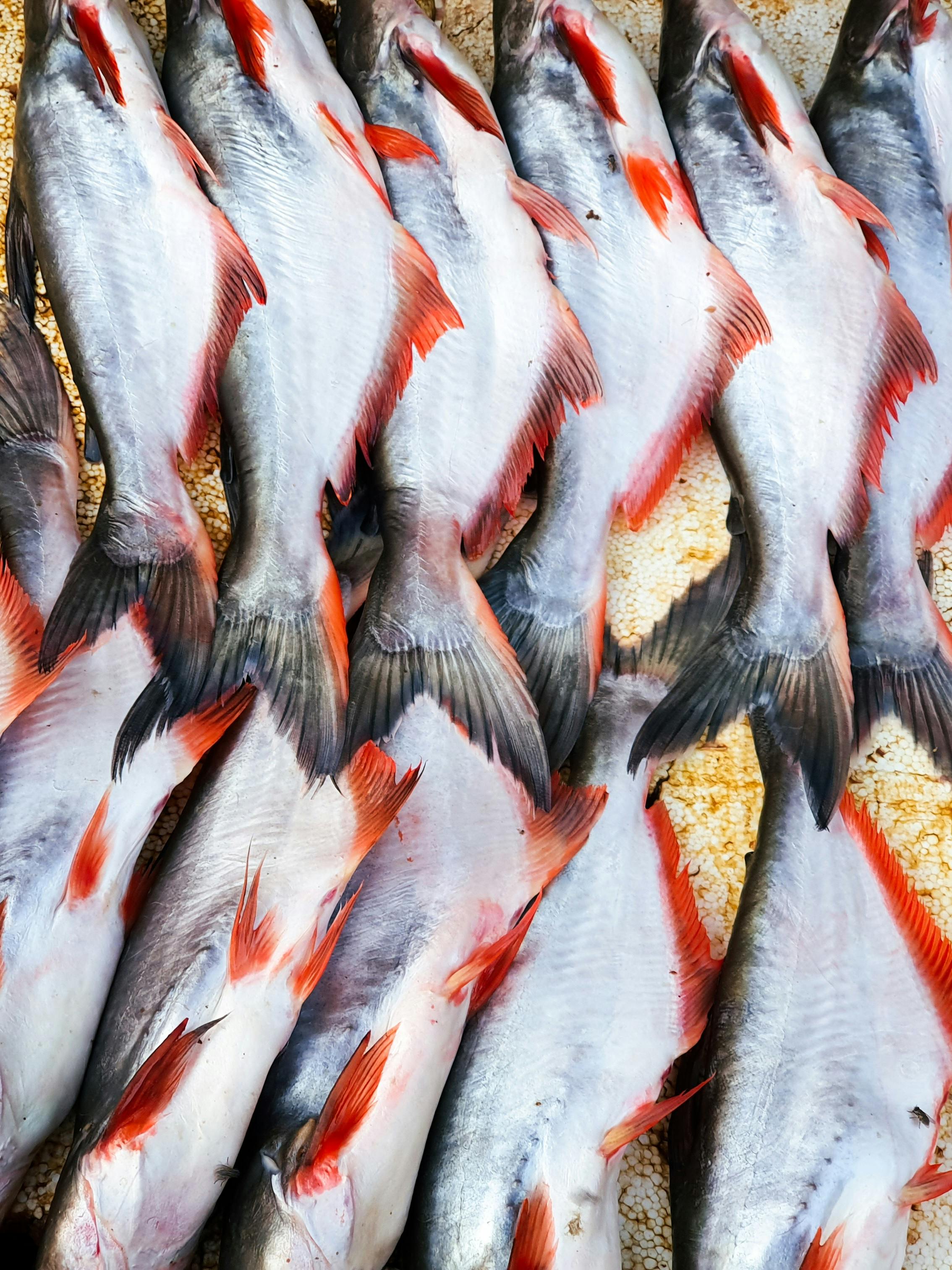
The diets react (see scores below)
Diet Ratings
Zero carbs with good fat content and high-quality protein. Whole food. Affordable and accessible.
Fish is animal flesh; all seafood is excluded from vegan diets.
Catfish is an unprocessed whole fish available to hunter-gatherers. It is nutrient-dense and paleo-compliant. Farmed catfish is acceptable, though wild-caught is preferable for nutritional profile.
Excellent fish source meeting 2-3 times weekly recommendation. Low mercury content, good source of omega-3 and protein. Farmed catfish is sustainable and affordable. Aligns well with Mediterranean fish emphasis.
Catfish is a fatty freshwater fish approved on carnivore. Rich in omega-3s and micronutrients. Unprocessed whole fish with no additives meets all carnivore requirements.
Fresh catfish is a whole, unprocessed seafood product fully compliant with Whole30. No excluded ingredients.
Catfish is an unprocessed fish with no FODMAP content. It is a pure protein source, making it low-FODMAP at any serving size.
Excellent DASH fish: low saturated fat (1.3g per 3oz), good protein (19g per 3oz), low mercury, affordable. Farmed catfish is sustainable. When baked or grilled without added fat/sodium, perfectly aligned with DASH guidelines. Core recommendation for fish consumption.
Moderate protein (~20g per 3.5oz) with higher fat content (~11g) than white fish. Fat is more saturated than salmon/mackerel. Acceptable but less ideal than lean fish. Requires careful pairing with low-fat carbs and vegetables.
Catfish has lower omega-3 content than fatty cold-water fish and higher omega-6 ratio. Farmed catfish often fed inflammatory seed oils. Acceptable occasionally but not ideal for anti-inflammatory diet.
Some nutritionists note catfish provides lean protein and is affordable; however, anti-inflammatory experts (Weil, AHA) recommend prioritizing higher omega-3 fish like salmon, mackerel, and sardines.
Catfish is a lean, mild-flavored fish with good protein (~20g per 3oz) and low fat (~4-5g per 3oz). It's easy to digest, versatile, and affordable. Prepare by baking, grilling, or pan-searing with minimal oil. Avoid fried catfish (common preparation) as frying adds significant fat and triggers GLP-1 side effects.
Nutritional profile
Six traits that cut across every diet.
Fiber & Plants
How much whole-plant food and fiber it delivers.
Healthy Fats
The quality of its fats (unsaturated, omega-3).
Whole / Unprocessed
How close it is to its natural, unprocessed form.
Gut Gentle
How easy it is on digestion (low FODMAP, few irritants).
Low Glycemic
How little it spikes your blood sugar.
Protein Density
How much protein it packs per calorie.
Controversy Index
Score range: 1–10/10. Higher controversy = more disagreement between diets.
Diet-Specific Tips for Catfish
 Keto — 8/10
- Zero net carbs
- Moderate-to-high fat
- High protein
- Whole food
 Paleo — 8/10
- Unprocessed whole fish
- Available to Paleolithic humans
- Nutrient-dense protein
- Farmed or wild acceptable
 Mediterranean — 7/10
- Fish category (2-3x weekly encouraged)
- Low mercury content
- Good omega-3 source
- Sustainable farmed option
- Affordable and accessible
 Carnivore — 8/10
- Fatty fish
- Omega-3 rich
- Unprocessed
- Micronutrient-dense
 Whole30 — 10/10
- Whole seafood product
- No processing
- No excluded ingredients
 Low-FODMAP — 9/10
- Unprocessed fish
- Protein-based with no fermentable carbohydrates
- No polyols or excess fructose
 DASH — 8/10
- Low saturated fat
- Good protein content
- Low mercury (safe for all populations)
- Affordable and accessible
 Zone — 5/10
- Moderate protein content
- Higher fat than white fish
- More saturated fat than oily fish
- Requires careful meal balancing
 Anti-Inflammatory — 4/10
- low omega-3
- higher omega-6 ratio
- farmed sources problematic
- lean protein
 GLP-1 Friendly — 7/10
- lean protein source
- mild flavor aids digestion
- low fat content
- affordable and accessible