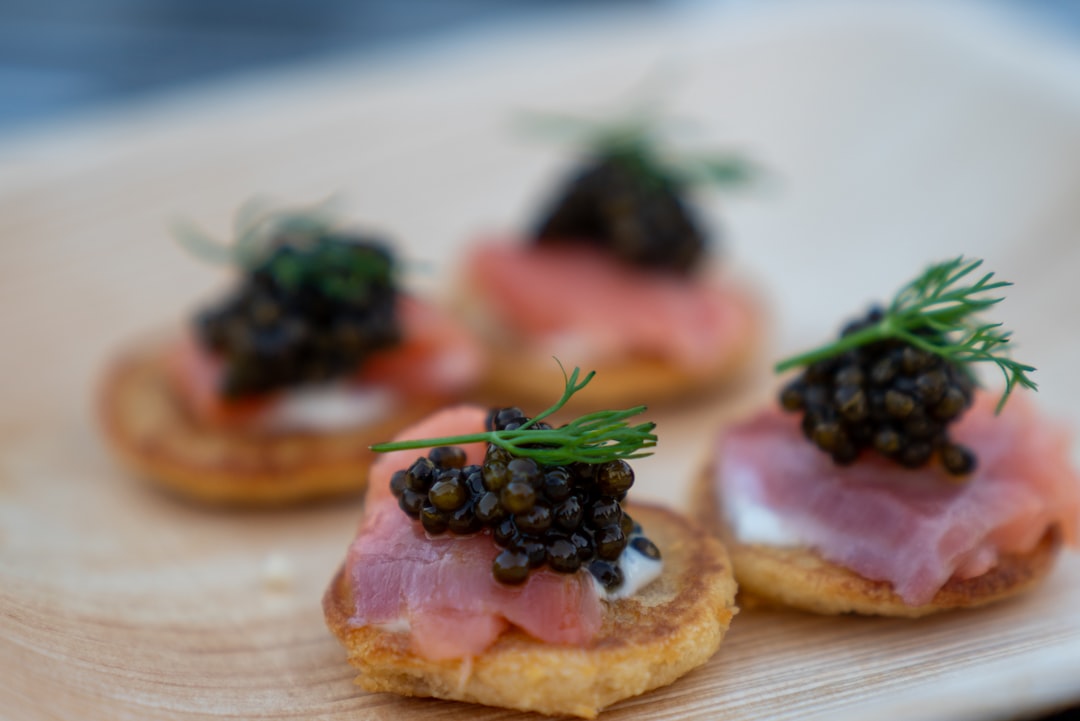
The diets react (see scores below)
Diet Ratings
Zero carbs with excellent omega-3 fatty acids and high-quality protein. Nutrient-dense whole food. Expensive but ideal for keto.
Caviar is fish eggs (roe), an animal reproductive product explicitly excluded from vegan diets.
Caviar (fish roe) is an unprocessed whole food available to hunter-gatherers. It is nutrient-dense with omega-3 fatty acids, minerals, and protein. Some commercial caviar may contain added salt, but the base product is fully paleo-compliant.
Caviar is extremely high in sodium and cost-prohibitive for regular consumption. While fish-derived, it provides minimal nutritional advantage over whole fish and contradicts Mediterranean emphasis on whole foods and minimal sodium. Luxury item, not dietary staple.
Caviar (fish eggs) is a nutrient-dense animal product rich in omega-3s, micronutrients, and bioavailable minerals. Minimally processed, pure animal product. Excellent on carnivore diet.
Caviar (fish roe) is a whole, unprocessed animal product fully compliant with Whole30. High in omega-3s and nutrients. Some varieties may contain added salt, but this is minimal and acceptable.
Caviar is fish roe with no FODMAP content. It is a pure protein and fat source with no fermentable carbohydrates, making it low-FODMAP at all reasonable portions.
Caviar is extremely high in sodium (400-500mg per tablespoon) and cholesterol (65mg per tablespoon). While it contains omega-3s and protein, the sodium content alone makes it incompatible with DASH sodium limits. Luxury food with minimal nutritional benefit relative to sodium burden.
High in omega-3s and protein (~25g per 3.5oz) but also very high in fat (~15g) and sodium. Expensive and typically consumed in small portions. Zone-compatible in tiny amounts as flavoring but impractical as primary protein. Dr. Sears doesn't specifically address caviar; classification depends on portion context.
Some Zone practitioners might rate higher (6-7) if used as occasional garnish/flavoring rather than primary protein, given omega-3 benefits.
Caviar is rich in omega-3 fatty acids (EPA/DHA), selenium, and choline. Excellent anti-inflammatory profile with high micronutrient density. Portion size naturally limited due to cost.
Caviar is extremely nutrient-dense (protein, omega-3s, selenium, choline) but very high in sodium and fat (~5g per tablespoon). The tiny portion size means it's naturally portion-controlled, but the cost and sodium load limit practical use. Some RDs view it as an occasional luxury garnish; others suggest more practical protein sources. Individual tolerance varies.
Some GLP-1 specialists recommend caviar as an occasional nutrient-dense garnish (1-2 teaspoons) given its micronutrient density; others caution that the high sodium and fat concentration make it impractical for regular use, and more affordable protein sources are preferable.
Nutritional profile
Six traits that cut across every diet.
Fiber & Plants
How much whole-plant food and fiber it delivers.
Healthy Fats
The quality of its fats (unsaturated, omega-3).
Whole / Unprocessed
How close it is to its natural, unprocessed form.
Gut Gentle
How easy it is on digestion (low FODMAP, few irritants).
Low Glycemic
How little it spikes your blood sugar.
Protein Density
How much protein it packs per calorie.
Controversy Index
Score range: 1–9/10. Higher controversy = more disagreement between diets.
Diet-Specific Tips for Caviar
 Keto — 9/10
- Zero net carbs
- High omega-3 fatty acids
- High protein
- Nutrient-dense
 Paleo — 9/10
- Unprocessed whole food
- Available to Paleolithic humans
- Rich in omega-3 and minerals
- Check for added salt in commercial versions
 Carnivore — 9/10
- Fish eggs (animal-derived)
- Nutrient-dense
- Omega-3 rich
- Minimal processing
- High micronutrient bioavailability
 Whole30 — 9/10
- Whole animal product
- No processing
- No excluded ingredients
 Low-FODMAP — 9/10
- Fish roe, protein-based
- No fermentable carbohydrates
- No polyols or excess fructose
- Salt content high but FODMAP-safe
 Zone — 5/10
- High omega-3 content
- Very high sodium
- Expensive/impractical portions
- Excellent micronutrient profile
 Anti-Inflammatory — 8/10
- high omega-3 (EPA/DHA)
- selenium
- choline
- minimal processing
- bioavailable nutrients
 GLP-1 Friendly — 5/10
- extremely nutrient-dense
- high sodium content
- naturally portion-controlled
- expensive
- omega-3 fatty acids