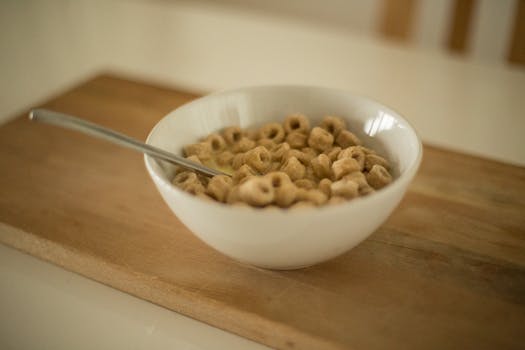
The diets react (see scores below)
Diet Ratings
Cheerios and similar cereals contain approximately 20-22g net carbs per cup. They are grain-based products with added sugars and are completely incompatible with ketogenic diets.
Most Cheerios-style cereals are plant-based but heavily processed. Some formulations may contain vitamin D3 (animal-derived) or other animal-derived additives. Check labels carefully.
Some vegans accept standard Cheerios as vegan since most versions use plant-based ingredients and processing aids, viewing label verification as sufficient.
Grain-based processed cereal. Contains grains (oats), added sugars, and processing agents. Fundamentally incompatible with paleo diet.
Refined grain product, even if low-sugar. Mediterranean diet emphasizes whole grains; most commercial cereals are processed and lack fiber/nutrients of whole grain alternatives.
Grain-based cereal is plant-derived with added sugars and processing. Carnivore diet excludes all grains, processed foods, and plant-based products. No exceptions.
Cereal is a processed grain product and explicitly excluded from Whole30. Cheerios-style cereals contain grains and are non-compliant.
Plain Cheerios-style cereals are low-FODMAP at standard serving sizes (1 cup). Made from oats or corn with minimal fermentable carbohydrates. Verify no added honey, high-fructose corn syrup, or dried fruit.
Whole grain cereal with minimal sodium (<200mg per serving), low sugar, and added fiber. Fortified with key DASH nutrients. Core DASH breakfast choice when paired with low-fat milk.
Low-sugar breakfast cereal with ~20g carbs per 1 cup. Acceptable as occasional grain serving but not ideal Zone choice. Lacks fiber compared to whole grains; refined carbs despite low sugar. Better options: steel-cut oats, vegetables.
Refined grain product despite 'whole grain' labeling. Low fiber relative to whole grain alternatives, often contains added sugars and minimal polyphenols. Better options exist among whole grain cereals.
Plain Cheerios-style cereals are low-fat and low-sugar (1g per serving) but provide minimal protein (1-2g) and moderate carbs (20g). They're easy to digest but don't support satiety or protein targets. Better paired with high-protein milk (Greek yogurt, protein shake) than eaten alone. Portion-sensitive.
Nutritional profile
Six traits that cut across every diet.
Fiber & Plants
How much whole-plant food and fiber it delivers.
Healthy Fats
The quality of its fats (unsaturated, omega-3).
Whole / Unprocessed
How close it is to its natural, unprocessed form.
Gut Gentle
How easy it is on digestion (low FODMAP, few irritants).
Low Glycemic
How little it spikes your blood sugar.
Protein Density
How much protein it packs per calorie.
Controversy Index
Score range: 1–8/10. Higher controversy = more disagreement between diets.
Diet-Specific Tips for Cereal (Cheerios-style)
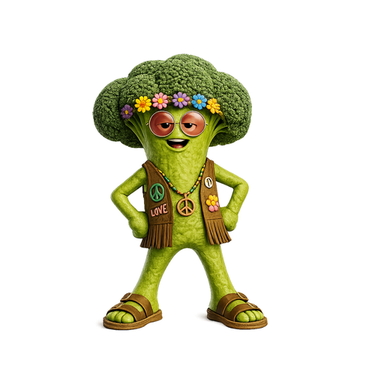 Vegan — 6/10
- Heavily processed
- Potential animal-derived vitamins
- Added sugars
- Variable formulations
 Mediterranean — 5/10
- refined grain
- processed food
- low fiber relative to whole grains
- not traditional Mediterranean breakfast
 Low-FODMAP — 8/10
- Oat or corn-based (low-FODMAP)
- Standard serving 1 cup
- No added high-FODMAP sweeteners in plain varieties
- Check label for additives
 DASH — 7/10
- Whole grain
- Low sodium
- Low added sugar
- High fiber
- Fortified nutrients
- Heart-healthy
 Zone — 5/10
- Refined grain
- Low fiber relative to carbs
- Processed
- Acceptable sugar content
 Anti-Inflammatory — 4/10
- refined grain
- low fiber
- added sugars
- minimal polyphenols
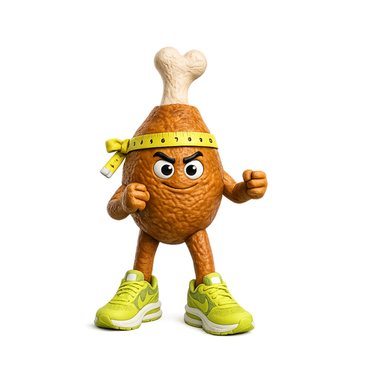 GLP-1 Friendly — 5/10
- low protein
- low fat
- moderate carbs
- easy to digest
- requires pairing for protein
- portion-sensitive