The diets react (see scores below)
Diet Ratings
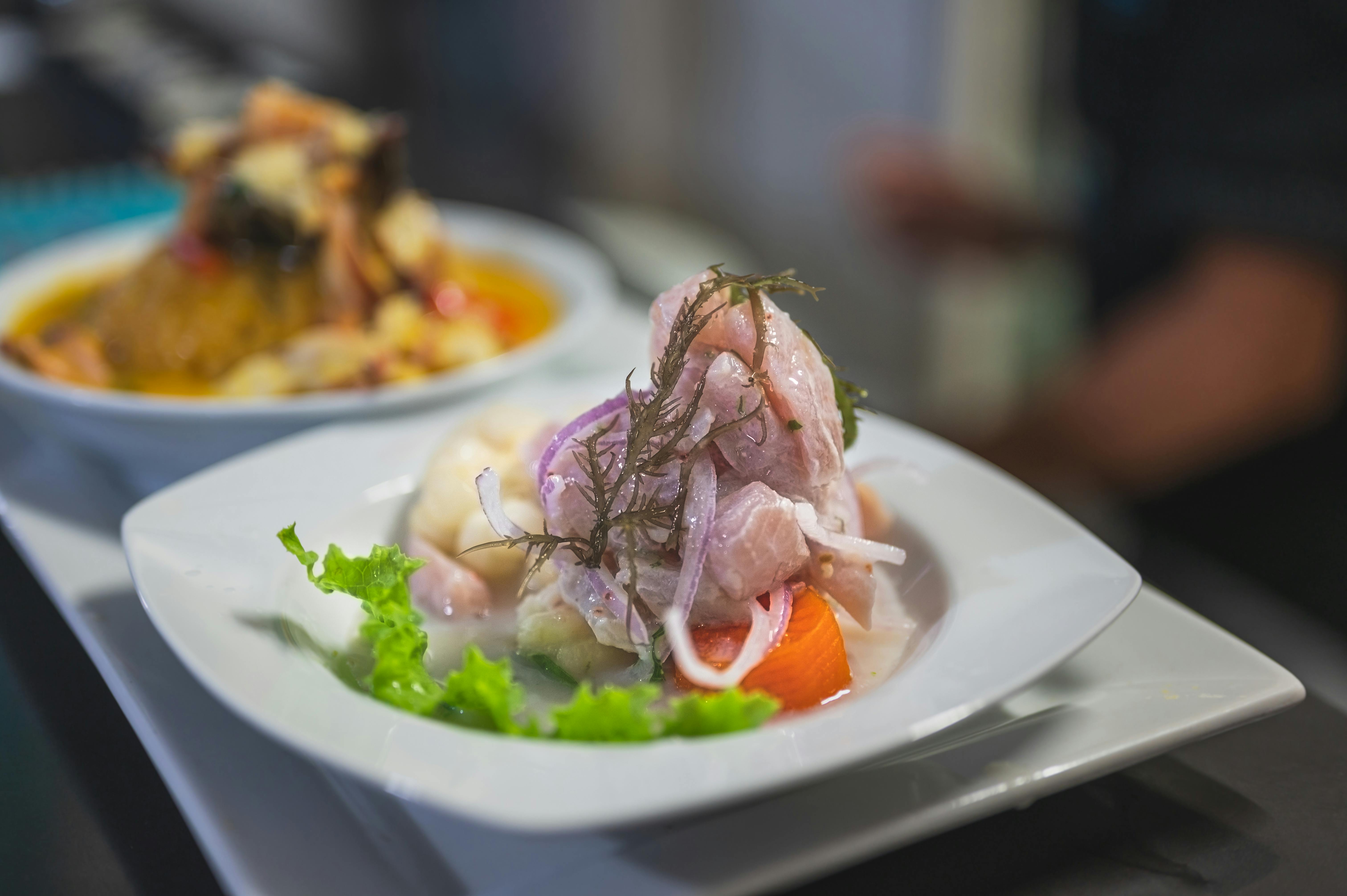
Ceviche is raw fish cured in citrus juice with vegetables. The fish itself is zero carbs, but traditional recipes include tomatoes, onions, and cilantro (approximately 3-5g net carbs per serving depending on vegetable ratio). Preparation method and ingredient ratios vary significantly.
Some keto practitioners accept ceviche with minimal vegetable content as acceptable. Others avoid it due to the carbs from tomatoes and onions, or prefer cooked fish preparations. The dish's variability makes consensus difficult.
Fish-based dish. Contains seafood (animal flesh). Non-vegan regardless of preparation method.
Ceviche is raw fish cured in citrus juice with vegetables and herbs. All core ingredients (fish, citrus, vegetables, herbs) are paleo-approved. Preparation method preserves nutrient density without cooking.
Raw fish dish with vegetables and citrus. Excellent source of omega-3 fatty acids, minimal processing, and incorporates vegetables. Aligns perfectly with Mediterranean fish consumption guidelines.
Ceviche is raw fish cured in citrus juice, which is plant-derived. While the fish base is animal-derived and acceptable, the citrus marinade violates strict carnivore rules. The acid does denature protein but introduces plant compounds.
Strict carnivore practitioners avoid ceviche due to citrus juice (plant-derived), preferring raw fish or cooked fish without plant-based marinades. Some practitioners accept it as the fish is the primary component, though the citrus is technically non-compliant.
Ceviche (raw fish cured in citrus juice) is compliant if made with only fish, citrus juice, vegetables, and compliant seasonings. However, many restaurant versions contain added sugar, soy sauce, or other non-compliant ingredients. Preparation method matters.
Official Whole30 allows ceviche if ingredients are compliant, but some community members question whether the acidity-based curing process aligns with whole-food principles. Restaurant versions often contain hidden additives.
Ceviche is typically made with raw fish (low-FODMAP) but is prepared with lime juice, cilantro, and often contains onion and garlic, which are high-FODMAP. Traditional recipes are problematic for low-FODMAP diet.
Monash rates plain fish as low-FODMAP, but traditional ceviche recipes include onion and garlic as essential ingredients, making standard preparations unsuitable for elimination phase.
Fish-based dish rich in omega-3 fatty acids and lean protein. Typically prepared with citrus and vegetables, adding potassium and fiber. Low sodium if prepared without added salt.
Raw fish protein is excellent (~20g per 100g) and low-fat, but ceviche preparation varies widely. Citrus marinade adds minimal carbs but added oils/mayo can increase fat beyond Zone targets. Vegetable content (onions, cilantro) is beneficial. Requires knowing preparation method.
Some Zone practitioners avoid ceviche due to food safety concerns with raw fish and variable preparation. Dr. Sears doesn't specifically address ceviche, but emphasizes knowing food composition.
Raw fish preparation rich in omega-3 fatty acids (EPA, DHA) with anti-inflammatory properties. Unprocessed, nutrient-dense, and typically includes citrus (vitamin C, antioxidants) and vegetables. Excellent anti-inflammatory profile when prepared with quality fish.
Raw fish cured in citrus with high protein (20g+ per serving), low fat, high water content, and easy digestibility. Citric acid aids digestion. Typically includes vegetables (fiber). Refreshing and satisfying in small portions. Excellent for GLP-1 patients if prepared with minimal oil.
Nutritional profile
Six traits that cut across every diet.
Fiber & Plants
How much whole-plant food and fiber it delivers.
Healthy Fats
The quality of its fats (unsaturated, omega-3).
Whole / Unprocessed
How close it is to its natural, unprocessed form.
Gut Gentle
How easy it is on digestion (low FODMAP, few irritants).
Low Glycemic
How little it spikes your blood sugar.
Protein Density
How much protein it packs per calorie.
Controversy Index
Score range: 1–9/10. Higher controversy = more disagreement between diets.
Diet-Specific Tips for Ceviche
 Keto — 5/10
- Fish base is zero carbs
- Tomato and onion content adds carbs
- 3-5g net carbs typical per serving
- Recipe-dependent
- Vegetable ratio varies widely
 Paleo — 9/10
- unprocessed fish
- raw preparation
- nutrient-dense
- paleo vegetables and herbs
- available to hunter-gatherers
 Mediterranean — 9/10
- fish-based protein
- omega-3 rich
- vegetable incorporation
- minimal processing
- healthy preparation method
 Carnivore — 5/10
- Fish-based (animal-derived)
- Raw preparation
- Citrus marinade (plant-derived)
- Plant compound introduction
- Preparation method matters
 Whole30 — 6/10
- Requires ingredient verification
- Often contains added sugar in restaurants
- May contain soy sauce
- Preparation method varies
 Low-FODMAP — 4/10
- Fish base is low-FODMAP
- Onion is a typical ingredient
- Garlic is often included
- Lime juice and cilantro are low-FODMAP
- Recipe variability is significant
 DASH — 8/10
- Excellent omega-3 source
- Lean protein
- Contains vegetables
- Low sodium if unsalted
- Rich in potassium
 Zone — 6/10
- Good lean protein
- Variable preparation
- Added oils/mayo risk
- Vegetable content beneficial
- Citrus adds minimal carbs
- Food safety consideration
 Anti-Inflammatory — 8/10
- omega-3 rich
- unprocessed
- raw fish
- citrus antioxidants
- vegetable components
- anti-inflammatory
 GLP-1 Friendly — 8/10
- high protein
- low fat
- high water content
- easy to digest
- includes vegetables